Plasma Electric Stove: Future Of Gasless Cooking In India Or Just Hype In 2026?
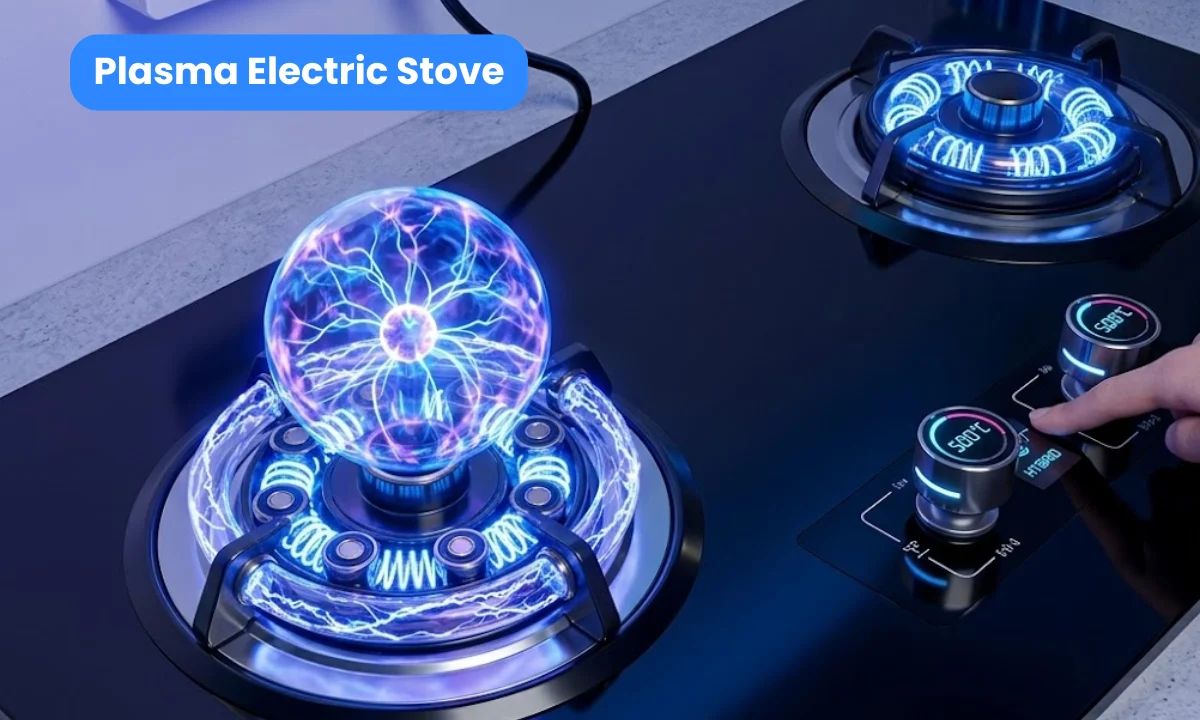
Plasma Electric Stove: Future Of Gasless Cooking In India
For decades, the sound of a gas lighter clicking on an LPG stove has been a part of every Indian morning. Millions of kitchens across India start their day with that blue flame. But right now, a new technology is making people question whether that daily routine needs to change.
The plasma electric stove is trending across India in 2026. It creates a real visible flame without using any gas. No LPG cylinder. No PNG connection. Just electricity. That is the promise. And it sounds almost too good to be true.
The buzz went up sharply after Union Minister Pralhad Joshi publicly demonstrated an imported plasma stove and suggested it could work alongside solar power schemes to reduce India’s LPG dependence. Videos went viral. Social media lit up. People started searching for plasma stove prices, plasma vs induction comparisons, and gasless cooking options. LPG prices rising sharply after the global fuel supply disruption added even more urgency to the conversation.
But is this technology actually ready for Indian kitchens? Or is it an expensive gadget that looks impressive in demos but falls short in real daily use?
Table of Contents
What Is A Plasma Electric Stove And How Does It Work?
To understand why this is different, you need to know a little science. Plasma is called the fourth state of matter. Most of us know solid, liquid, and gas. Plasma is what happens when a gas gets so energized that electrons separate from atoms. This creates an ionized, superheated state that can produce extreme temperatures.
A plasma electric stove harnesses this effect using electricity. Inside the device, an electric current ionizes the air and creates a plasma arc or plasma jet. This jet produces concentrated heat that looks exactly like a flame. That heat is then directed toward your cookware. Food cooks just like it would on a gas stove.
The key point is that nothing is burning. There is no fuel combustion. No LPG. No PNG. No wood. Just electricity being converted into a plasma flame.
The temperature this flame reaches is impressive. Plasma stoves can reach up to 1200 to 1300 degrees Celsius. For comparison, a standard LPG stove flame reaches around 1000 degrees Celsius. So the plasma flame is actually hotter than regular gas.
Brands like APAPL and Seko are marketing these stoves in India. The product category is also called plasma arc cooktop or electric plasma flame cooker in different listings.
Why Is It Trending In India Right Now?
The timing of this product’s rise in India is not a coincidence. Several things have happened together that made people suddenly very interested.
LPG prices have increased sharply in 2026 following global fuel supply disruptions. Some cities reported outright cylinder shortages. For millions of Indian households that depend entirely on LPG for cooking, this created real anxiety. People started looking for alternatives.
At the same time, the central government’s PM Surya Ghar Yojana is promoting rooftop solar power installations. The idea of a home that generates its own electricity and cooks on it without ever needing a gas cylinder became suddenly very appealing.
The viral factor played a big role too. Short videos on YouTube and social media showed plasma stoves creating visible flames from pure electricity. The visual impact is strong. People who saw these videos immediately wanted to know more.
Pralhad Joshi’s public demo gave the technology a level of government endorsement that sparked even wider coverage across Indian media. Articles from outlets like India Today, Business Today, and India.com covered the technology within days of that demo.
Also Read

India Lockdown 2026 Truth Revealed: Why Rumours Spread and What Actually Matters Right Now
Plasma Stove vs LPG vs Induction: A Clear Comparison
This is where most people need clarity. How does plasma actually compare to what is already in your kitchen?
| Feature | LPG Stove | Induction Cooktop | Plasma Electric Stove |
|---|---|---|---|
| Fuel | Gas cylinder | Electricity | Electricity |
| Visible Flame | Yes | No | Yes |
| Works with all utensils | Yes | No (magnetic only) | Yes |
| Instant heat | Yes | Moderate | Yes |
| Temperature | Up to 1000°C | Indirect heating | Up to 1300°C |
| Gas leakage risk | Yes | No | No |
| Soot or emissions | Yes | No | No |
| Price (India) | Low stove cost | ₹2000 to ₹5000 | ₹12,000 to ₹50,000 |
| Efficiency | Medium | 85 to 90% | Claimed 78 to 98% (debated) |
The plasma stove sits in an interesting middle ground. It has the flame experience of LPG with the electricity-based fuel source of induction. It solves the biggest complaint people have about induction which is that it does not give a real flame experience and does not work with all cookware.
However, the efficiency numbers need careful reading. While brands claim 78 to 98% efficiency, independent analysts and users on forums note that visible plasma loses energy through both heat and light. Real thermal efficiency in daily use is estimated by some critics to be closer to 40 to 60%. Induction at 85 to 90% is still significantly more efficient from a pure electricity-to-heat perspective.
Key Features Of Plasma Electric Stoves
Here is what current plasma stove models offer:
No LPG or PNG required. The stove runs entirely on your home’s electricity supply. You never need to book a cylinder or worry about gas running out mid-cooking.
All utensil compatibility. Unlike induction which needs magnetic base cookware, plasma stoves work with steel, aluminium, iron, brass, glass, and any other material. Your existing kitchen utensils all work.
High temperature instantly. The stove reaches cooking temperature almost immediately. There is no slow warm-up time like some induction models.
Knob-based flame control. Many models offer knob controls similar to a gas stove. Some advanced models allow adjustment in 100-watt increments giving precise control over heat output.
Safety features. No gas means no explosion or leakage risk. Most models include overheat protection and auto shut-off. The toughened glass top is easy to clean and does not accumulate soot.
Available configurations include single burner portable units at around 2500 watts and double burner models going up to 5000 to 6000 watts. There are models designed for home kitchens and heavier commercial versions for restaurants.
Plasma Stove Prices In India: What Does It Cost?
This is where the conversation gets challenging for most Indian buyers.
Entry-level single burner plasma stoves from Indian distributors are priced at around ₹12,500 to ₹19,500. Mid-range and imported units from brands highlighted in media coverage are priced around ₹35,000. High-end commercial or imported models can go up to ₹50,000 or more.
Compare this to a good induction cooktop which costs ₹2,000 to ₹5,000. Or a standard 2-burner LPG stove which costs ₹1,500 to ₹4,000.
The upfront cost of a plasma stove is roughly 8 to 10 times more than an induction cooktop and 10 to 20 times more than a basic LPG stove. That is a significant investment for most Indian households.
On running costs, the math is still being debated. A plasma stove drawing 2500 to 6000 watts during cooking can consume 1 to 4 units of electricity per typical cooking session. Depending on your state electricity tariff, daily cooking could cost ₹8 to ₹30 per day. Some analysts have calculated that this can be comparable to or even higher than LPG costs in some states without the benefit of solar power.
The economics improve significantly if you have rooftop solar power. If your cooking electricity comes from solar generation that would otherwise go unused, the running cost drops dramatically. This is why the solar and plasma stove combination is generating so much interest.
What Are Real Users Saying?
Public feedback from X, Reddit discussions, and online forums gives a balanced picture.
People who are excited about the technology point to the fact that it eliminates gas dependency completely. In areas where LPG shortages have become frequent, this is a genuine relief. Users appreciate the visible flame experience which makes Indian cooking techniques like tadka, roti on flame, deep frying, and wok cooking feel natural. Several users note that the kitchen stays cooler compared to LPG because plasma heat is more directed and produces no combustion exhaust that heats up the surrounding air.
Critics raise equally valid points. The price is the biggest barrier. One X user pointed out that the ₹35,000 price tag is roughly equivalent to over a year of LPG cylinder costs for an average household. The efficiency argument is another major concern. Multiple technically informed users have done the electricity consumption math and concluded that running a plasma stove without solar power may not save money compared to LPG at current rates.
Questions also come up about service and support. Most plasma stoves available in India right now are imported from China or Korea. Warranty claims and spare parts availability can be difficult. Regulatory approvals for home installation are not clearly established in India yet.
Some users also raised the issue of reliability in regions with frequent power cuts. A plasma stove is completely useless without electricity, just like induction. In areas where power supply is unreliable, LPG remains more dependable.
The overall public sentiment is: genuinely interesting technology with real potential, but not ready to replace LPG for most Indian households right now.
Where Does A Plasma Stove Actually Make Sense Today?
Given everything above, there are specific situations where a plasma stove is a smart choice right now.
Homes with rooftop solar installations are the clearest fit. If you already generate solar electricity through the PM Surya Ghar Yojana or similar schemes and export excess power to the grid, using that electricity for cooking with a plasma stove makes a lot of sense. Your running costs drop significantly and your dependence on LPG disappears.
Commercial kitchens and restaurants that need intense heat for wok cooking, deep frying, or high-volume cooking may find the plasma stove’s high temperature output genuinely useful. The no-gas-cylinder logistics is a real operational advantage for cloud kitchens and food trucks operating in areas with unreliable gas supply.
Apartments and hostels where gas cylinders are difficult to store or where fire safety rules restrict LPG use will find plasma stoves very practical. No cylinder storage. No leakage risk. No booking delays.
Areas with frequent LPG shortages or where PNG supply is inconsistent will benefit from having a plasma stove as a primary or backup cooking option.
Buyers who value clean cooking and want to reduce their carbon footprint will appreciate that plasma stoves produce zero emissions. When paired with renewable electricity, the entire cooking process is genuinely green.
Is A Plasma Stove Better Than Induction?
For most Indian households today, the honest answer is no.
Induction stoves cost ₹2,000 to ₹5,000. They are widely available. They have excellent energy efficiency at 85 to 90%. After-sales support is strong across India. Spare parts and replacement coils are easy to find.
The plasma stove costs 8 to 10 times more. Its real-world efficiency is disputed. Service support is limited. And if your goal is just to cook without LPG using electricity, induction does that job very effectively.
The plasma stove beats induction in two specific areas. First, it works with all utensils without any restrictions. Second, it gives a visible flame cooking experience that feels familiar to anyone used to gas cooking. For people who cook a lot of Indian food that involves high-heat techniques and work with traditional iron or brass cookware, the plasma stove offers something induction genuinely cannot.
So it depends on what you value. If you want efficiency and low cost, induction wins. If you want the gas cooking experience without gas, plasma is the only electric option that delivers that.
What Needs To Happen For Plasma Stoves To Go Mainstream
The technology is promising. But several things need to change before plasma stoves become a common sight in Indian kitchens.
Price reduction through local manufacturing is essential. Discussions around Atmanirbhar Bharat suggest that if Indian companies start producing these at scale, prices could potentially drop to ₹10,000 to ₹20,000. At that price point, the value proposition becomes much stronger.
Independent efficiency testing and verified real-world data from Indian labs would help buyers make informed decisions. Right now, brand claims and user estimates differ significantly. Better service networks and clear regulatory frameworks for home installation would increase buyer confidence.
Stronger integration with solar power schemes through government incentives could create a package deal that makes economic sense for a wider range of Indian households.
Final Verdict: Should You Buy One Right Now?
The plasma electric stove is not hype. The technology is real. The benefits are genuine. But it is also not for everyone yet.
If you have rooftop solar, live in an area with frequent LPG supply issues, and are willing to invest ₹15,000 to ₹35,000 for a cooking solution that eliminates gas dependency, a plasma stove is worth serious consideration.
If you are looking for the most economical way to cook without LPG on a tight budget, a good induction cooktop is still the smarter choice right now.
The plasma electric stove represents where Indian kitchen technology is heading. It combines the familiarity of gas cooking with the cleanliness and safety of electric cooking. As prices drop and local manufacturing picks up, this category will likely grow significantly over the next few years.
For now, watch this space. Do your own research on power consumption based on your state’s electricity tariffs. And if you get a chance to see a demo in person, the experience is genuinely impressive. Cooking with a visible flame that uses no gas at all still feels remarkable.
Related Posts :




Share This Post