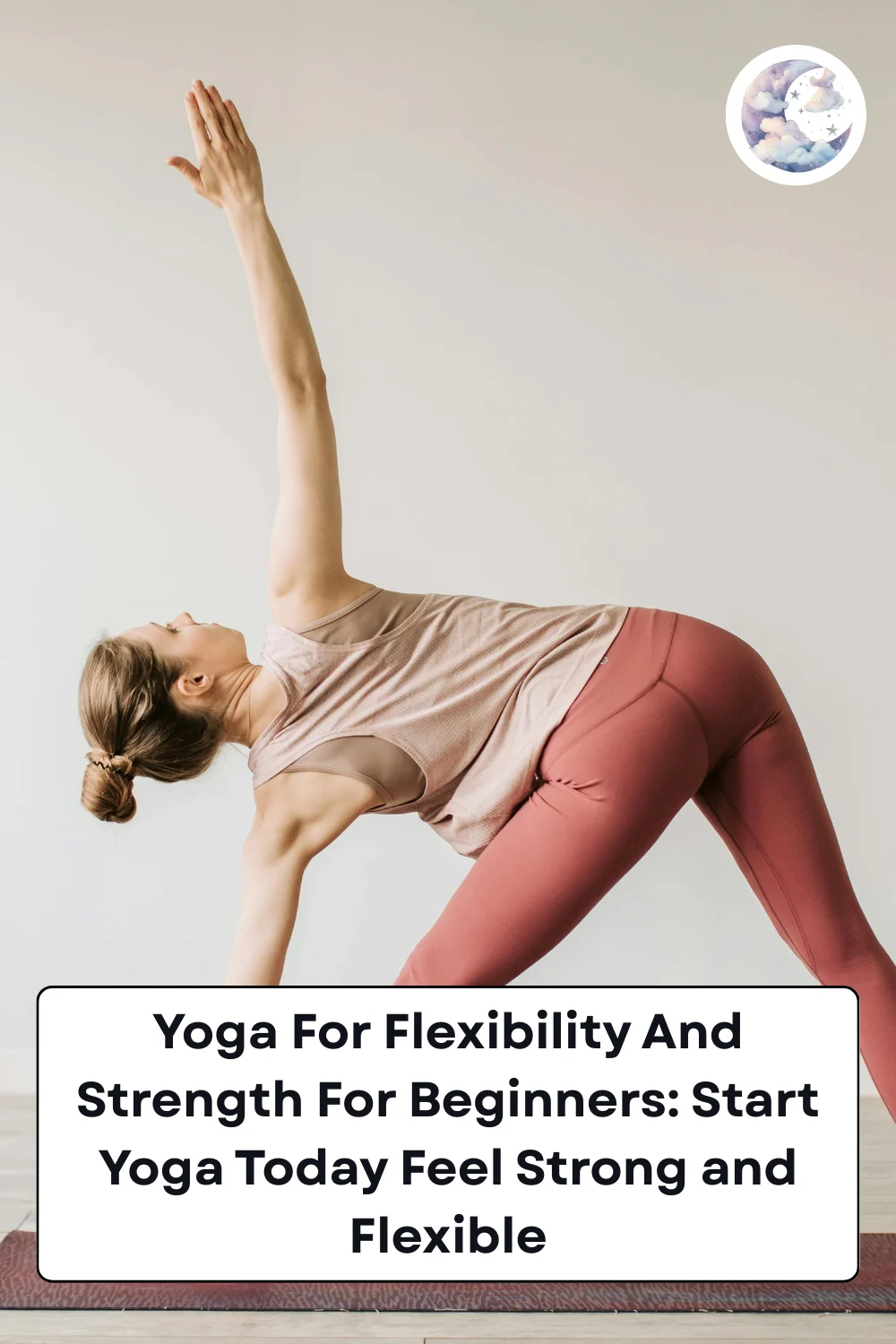
The practice of yoga has become one of the most popular fitness habits for beginners in 2025 and 2026. People now look for exercises that improve flexibility and strength at the same time without putting stress on joints. Yoga offers a simple and safe way to stretch tight muscles, build core stability, and improve posture through controlled movement and breathing.
Modern beginner yoga focuses on slow progress and body awareness. Short daily sessions, chair based yoga, and app guided routines make it easy for anyone to start. New trends also combine strength focused flows with traditional flexibility poses so beginners can gain muscle control and mobility together.
Table of Contents
Key Takeaways
- Yoga helps beginners improve flexibility and strength safely and gradually.
- Regular practice shows visible results in about three to four weeks.
- Beginner yoga supports mental health and stress relief along with physical fitness.
- Simple poses build core stability, balance, and posture.
- Consistency is more important than long or intense sessions.
Why Yoga Is Ideal for Beginners?
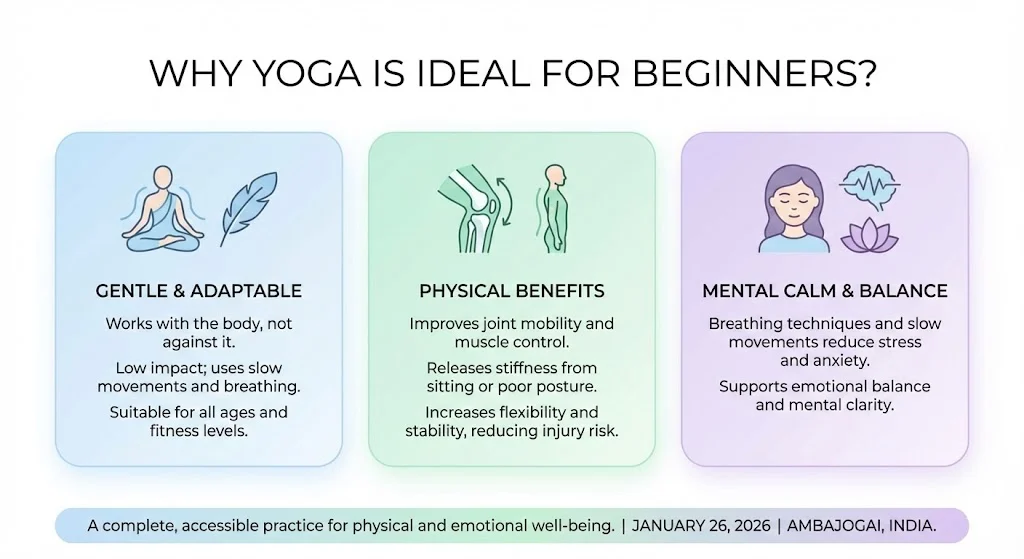
Yoga is designed to work with the body rather than against it. Unlike high impact workouts, yoga uses slow movements and breathing to stretch muscles and activate strength. This makes it suitable for people of all ages and fitness levels.
For beginners, yoga improves joint mobility and muscle control. It helps release stiffness caused by long hours of sitting or poor posture. Over time, the body becomes more flexible and stable. This reduces the risk of injury in daily activities.
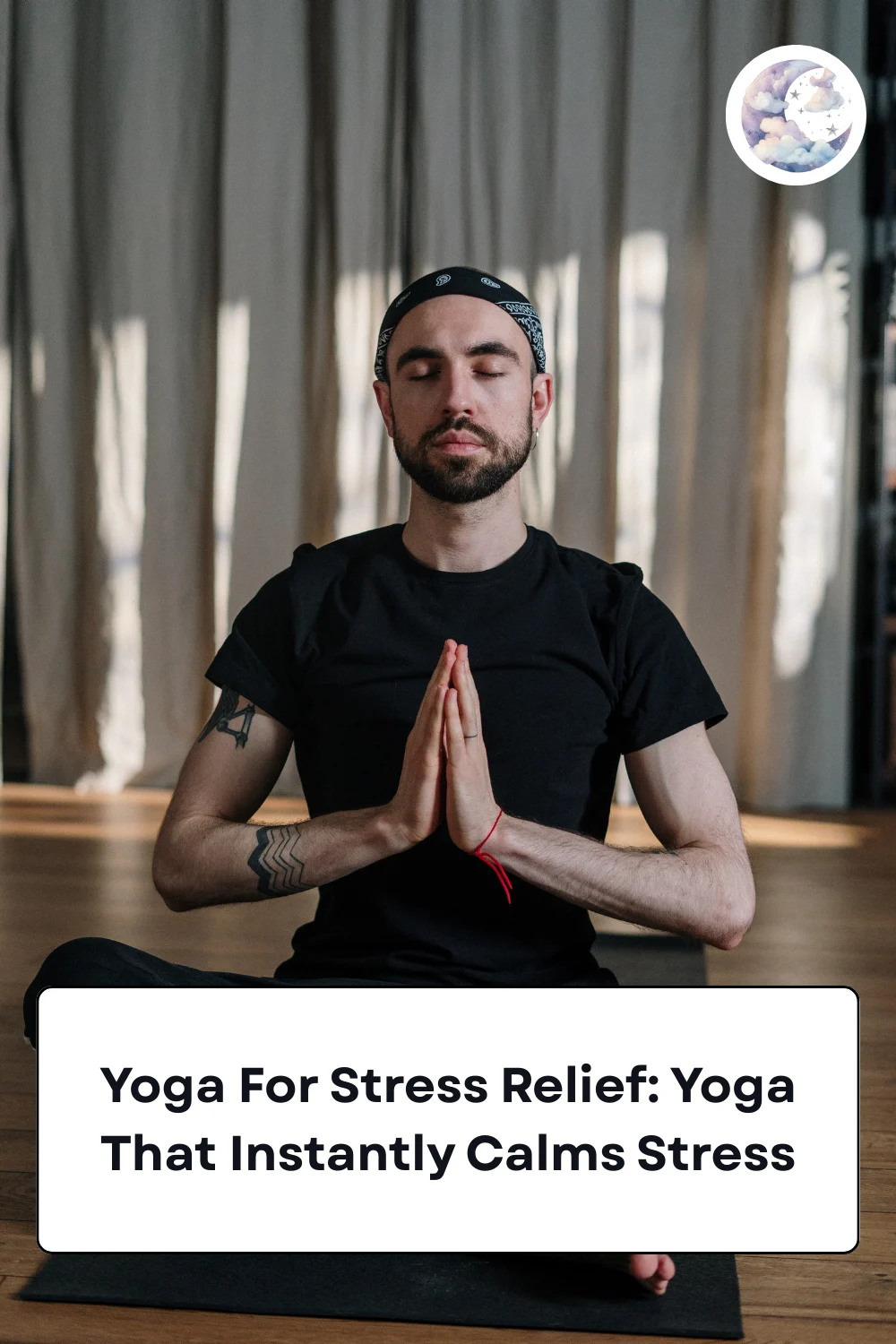
Yoga also supports mental calm. Breathing techniques and slow movements help reduce stress and anxiety. This makes yoga a complete practice for both physical and emotional balance.
The Role of Flexibility & Strength Together
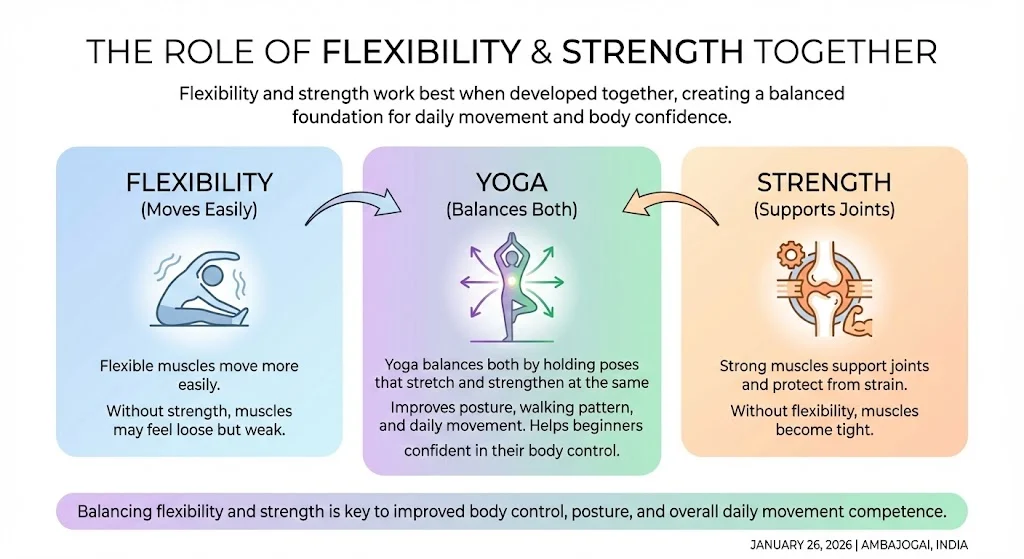
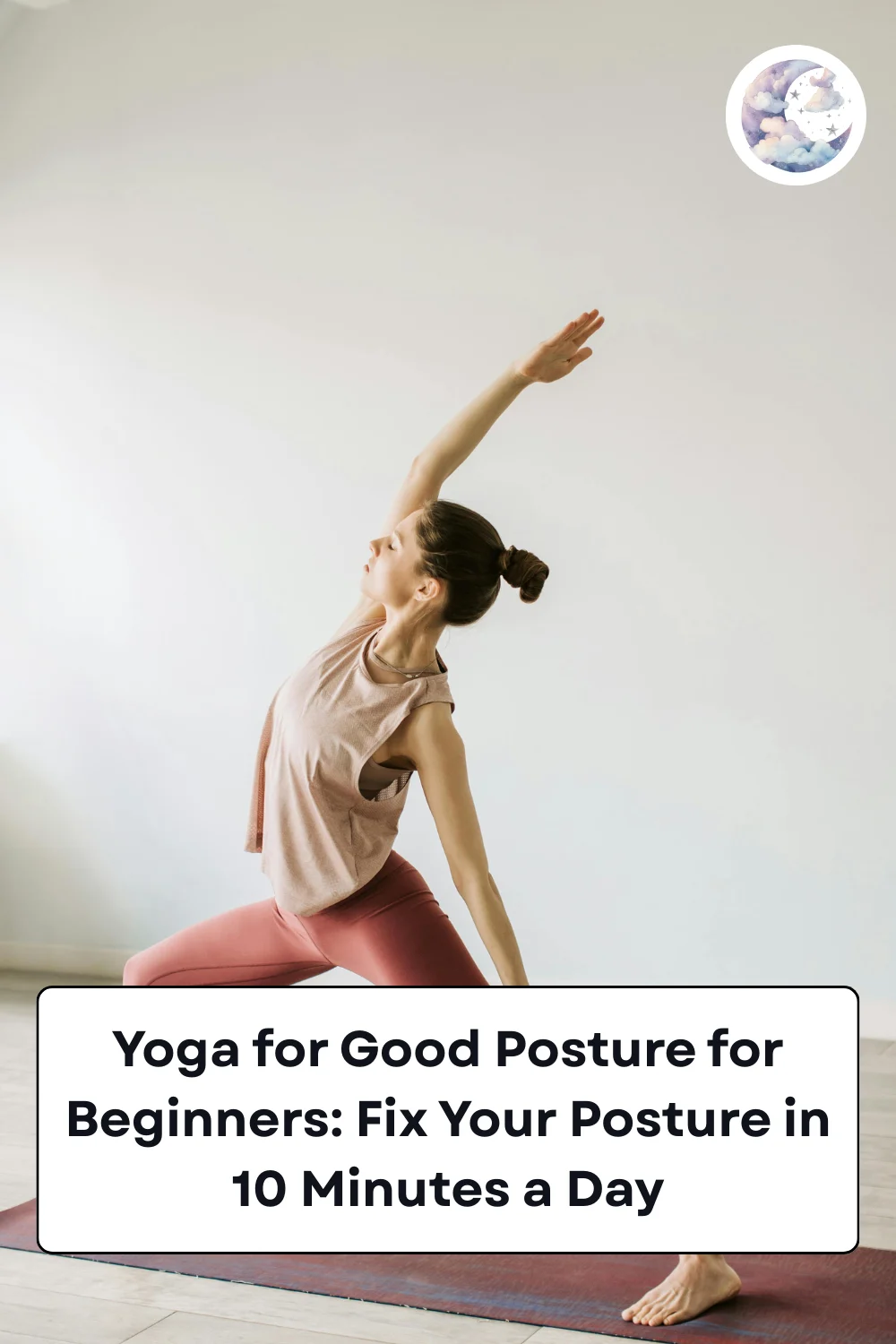
Flexibility and strength work best when developed together. Flexible muscles move more easily. Strong muscles support joints and protect them from strain. Yoga combines both in one practice.
When beginners stretch without strength, muscles may feel loose but weak. When they train strength without flexibility, muscles become tight. Yoga balances both by holding poses that stretch and strengthen at the same time.
This balance improves posture, walking pattern, and daily movement. It also helps beginners feel more confident in their body control.
Core Benefits Of Yoga for Beginners
Yoga offers several benefits that make it ideal for starting a fitness routine.
- Improved range of motion in joints and muscles
- Better balance and coordination
- Stronger core and leg muscles
- Reduced muscle tension and stiffness
- Lower stress levels and better sleep
- Increased focus and breathing awareness
With regular practice, beginners notice easier movement and less discomfort in the back, hips, and shoulders.
Beginner Friendly Yoga Poses for Flexibility & Strength
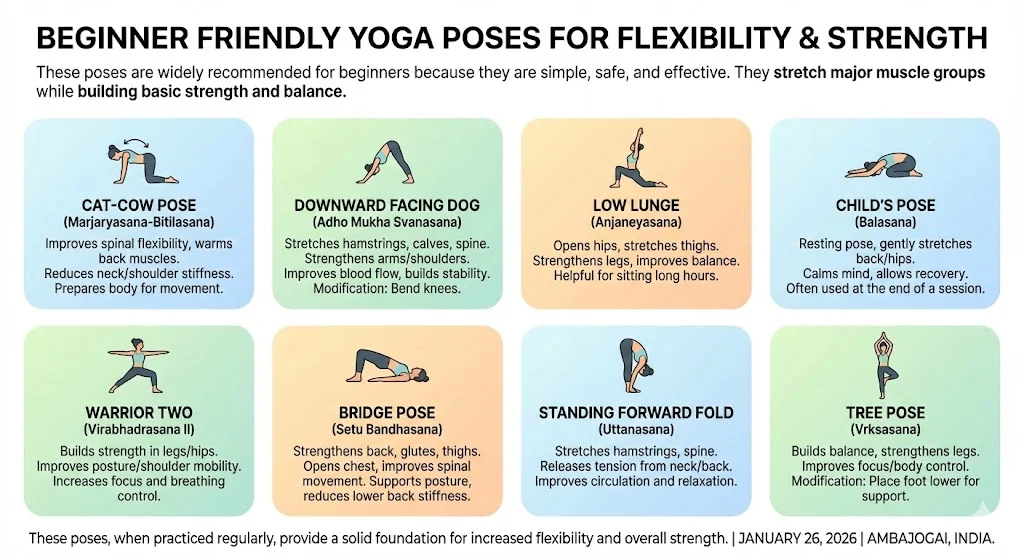
These poses are widely recommended for beginners because they are simple, safe, and effective. They stretch major muscle groups while building basic strength and balance.
- Cat Cow Pose
This pose improves spinal flexibility and warms up the back muscles. It increases awareness of breathing and movement. It helps reduce stiffness in the neck and shoulders and prepares the body for other poses. - Downward Facing Dog
This pose stretches the hamstrings, calves, and spine while strengthening the arms and shoulders. It improves blood flow and helps build full body stability. Beginners can bend their knees to reduce pressure. - Low Lunge
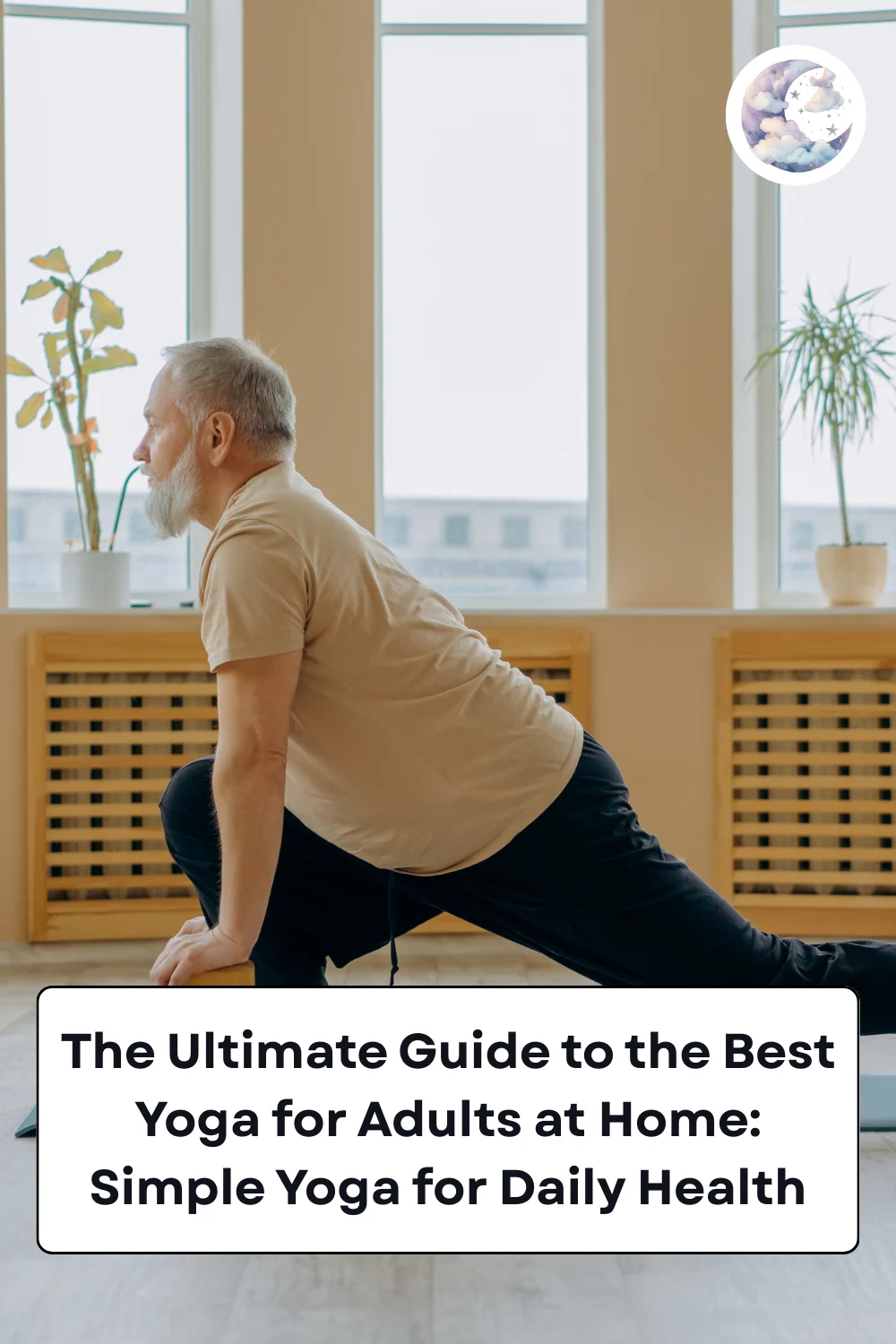
Low lunge opens the hips and stretches the thigh muscles. It also strengthens the legs and improves balance. This pose is helpful for people who sit for long hours. - Child’s Pose
This resting pose gently stretches the back and hips. It calms the mind and allows the body to recover between movements. It is often used at the end of a session. - Warrior Two
This standing pose builds strength in the legs and hips. It improves posture and shoulder mobility. It also increases focus and breathing control. - Bridge Pose
Bridge pose strengthens the back, glutes, and thighs. It opens the chest and improves spinal movement. It supports better posture and reduces lower back stiffness. - Standing Forward Fold
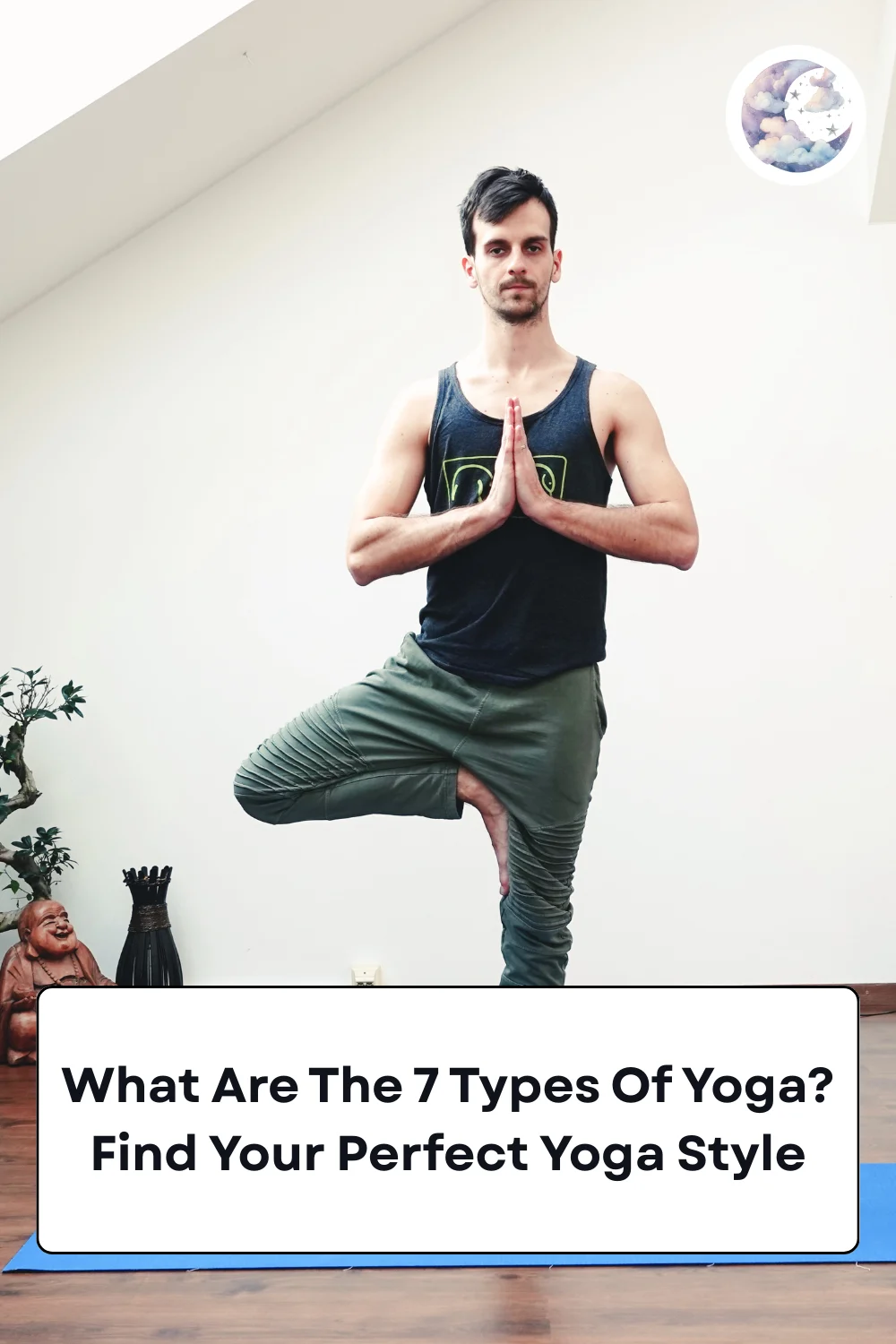
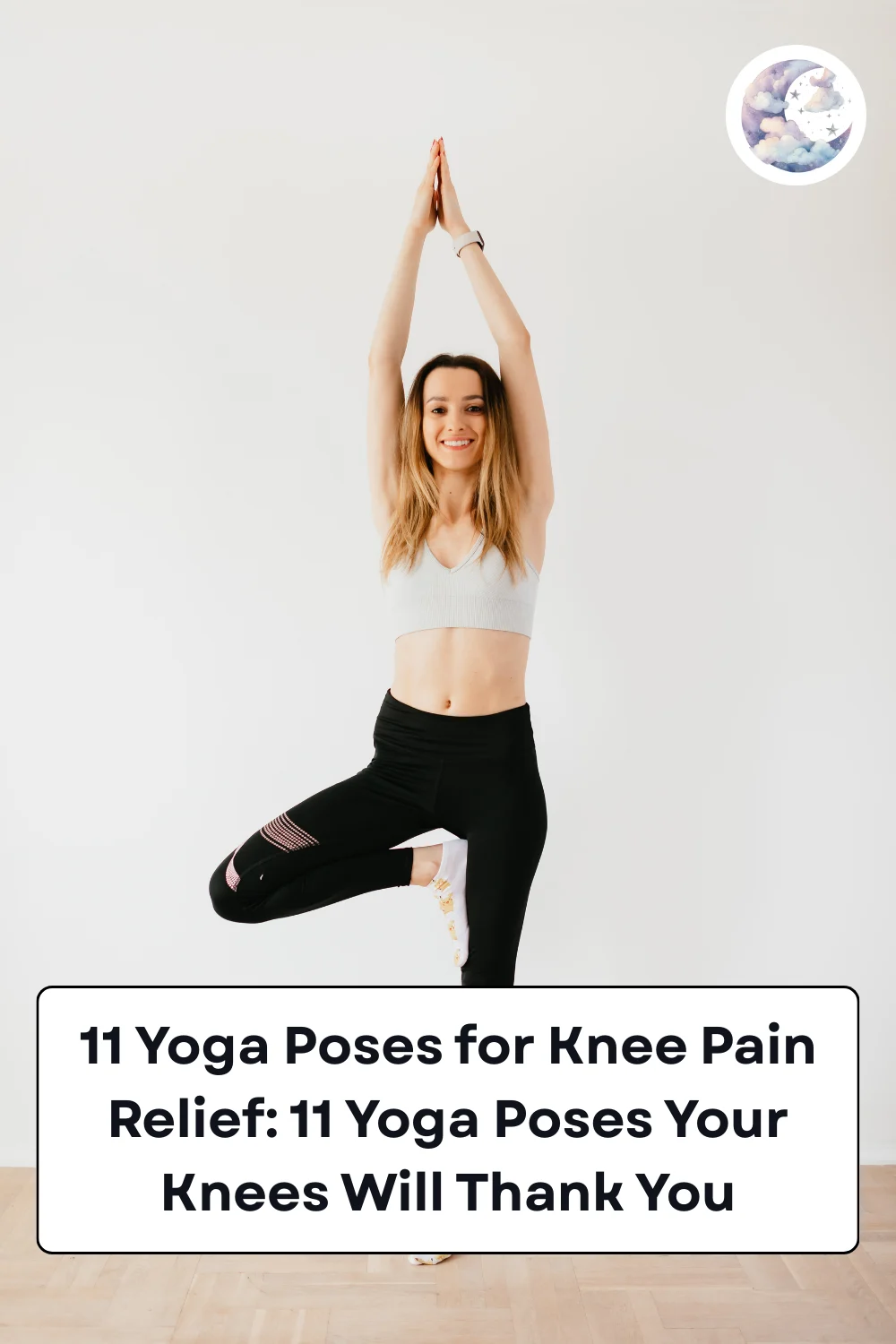
This pose stretches the hamstrings and spine. It helps release tension from the neck and back. It also improves circulation and relaxation. - Tree Pose
Tree pose builds balance and strengthens the legs. It improves focus and body control. Beginners can place the foot lower on the leg for support.
These poses together form a simple routine that improves flexibility and strength without overloading the body.
Recent Trends in Beginner Yoga
Yoga in 2025 and 2026 has become more inclusive and accessible. Strength based yoga flows are now combined with flexibility training. This helps beginners build muscle while improving movement.
Chair yoga and short routines are popular among older adults and busy workers. Six minute and ten minute sessions are common. These routines focus on hips, back, and shoulders.
Technology also plays a role. Many beginners use mobile apps and online videos for guided practice at home. These programs offer step by step instructions and safe progress plans.
Blended practices such as Yogilates and fascia focused yoga are also growing. These combine stretching, muscle activation, and recovery in one session.
Mental Health and Emotional Benefits
Yoga is not only about physical movement. It also supports emotional well being. Slow breathing and gentle poses help calm the nervous system.
Beginners report lower stress and better sleep after regular practice. Yoga also improves mood and concentration. This makes it useful for people dealing with anxiety or work pressure.
The connection between mind and body helps beginners become more aware of tension and posture. This awareness leads to healthier habits over time.
How Often Should Beginners Practice Yoga
Beginners do not need long sessions. Short and regular practice works better than rare long workouts.
Practicing yoga three to four times a week shows noticeable results within one month. Even ten minutes daily can improve flexibility and strength.
Rest days are also important. The body needs time to recover and adapt. Listening to the body prevents pain and fatigue.
Safety Tips for Beginners
Yoga should never cause sharp pain. Beginners should move slowly and avoid forcing any pose.
Important safety points include:
- Warm up before deeper stretches
- Use cushions or blocks for support
- Stop if there is discomfort
- Breathe steadily during poses
- Avoid comparing progress with others
People with injuries or medical conditions should consult a doctor or trained instructor before starting.
Building a Simple Beginner Routine
A basic beginner routine can include:
- Gentle warm up with Cat Cow
- Standing poses like Warrior Two and Tree
- Hip opening with Low Lunge
- Stretching with Forward Fold
- Relaxation with Child’s Pose
This routine takes about fifteen to twenty minutes and covers the whole body.
Long Term Impact of Yoga Practice
With continued practice, yoga improves muscle tone and joint health. It reduces stiffness and improves daily movement. Over time, posture becomes better and breathing becomes deeper.
Yoga also supports heart health and metabolism through gentle activity. It creates a habit of mindful movement that can be maintained for life.
Beginners who stay consistent often move on to more advanced poses with confidence. The foundation of flexibility and strength protects the body from injury.
Final Thoughts
Yoga for flexibility and strength is one of the safest and most effective practices for beginners. It improves mobility, builds muscle support, and reduces stress at the same time. Modern yoga trends make it easier than ever to start at home or in short sessions.
The key is consistency and patience. Small daily efforts bring long term benefits. When practiced regularly, yoga becomes a powerful tool for physical health and mental balance.
Tags: yoga for beginners, flexibility training, strength yoga, mental wellness, healthy lifestyle, home fitness