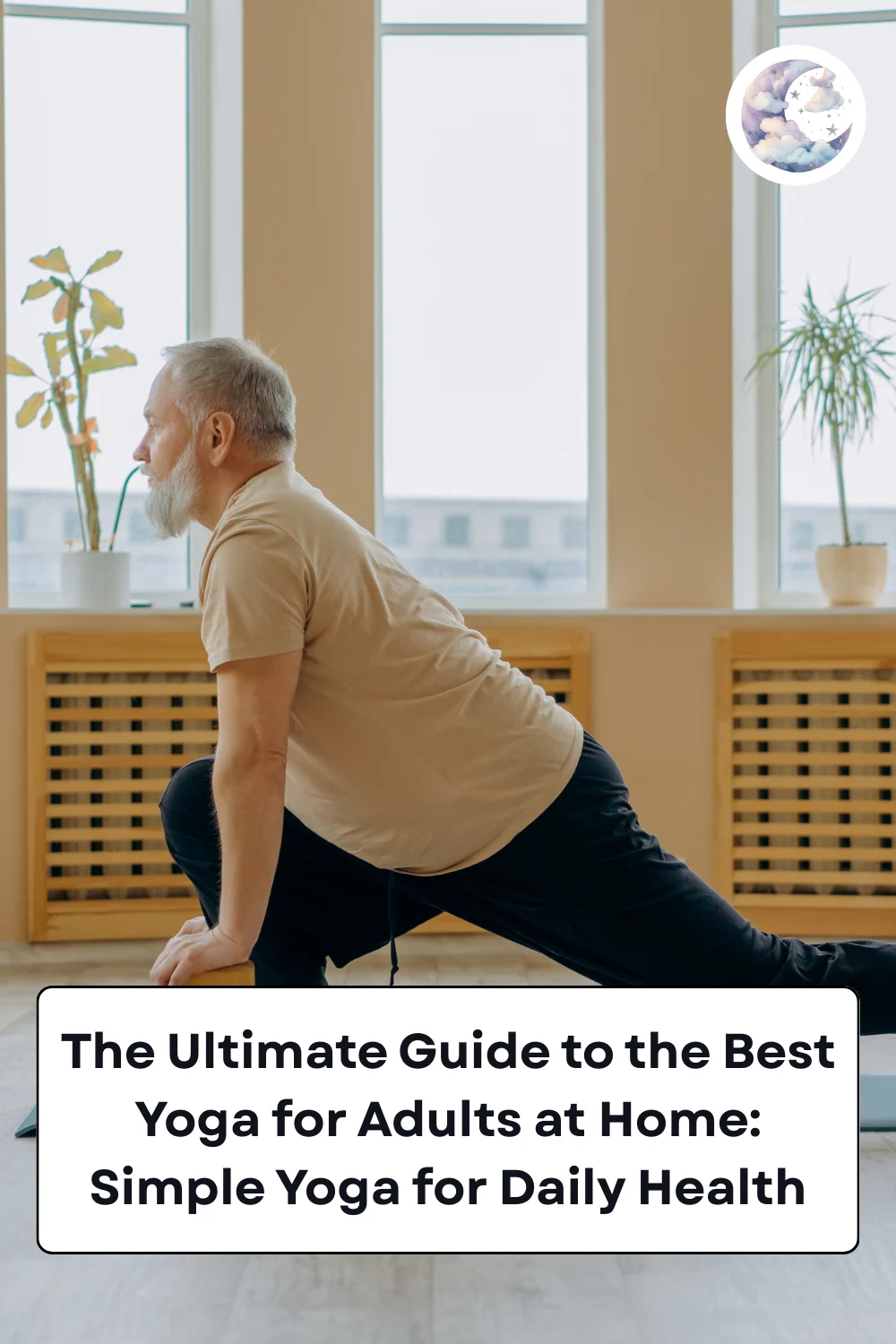
Yoga at home has become one of the most trusted wellness habits for adults in 2025 and 2026. Busy schedules, long screen hours, and rising stress levels have pushed many people to look for simple routines that can be done without a studio or equipment. Adults now prefer short and gentle sessions that improve flexibility, reduce back pain, and calm the mind.
Home yoga is no longer about difficult poses or long workouts. It focuses on consistency, comfort, and mental balance. Most adults want routines that fit into 15 to 45 minutes and work for different age groups including those over 30 and over 40. The goal is to feel better every day without pressure or injury.
Table of Contents
Also Read
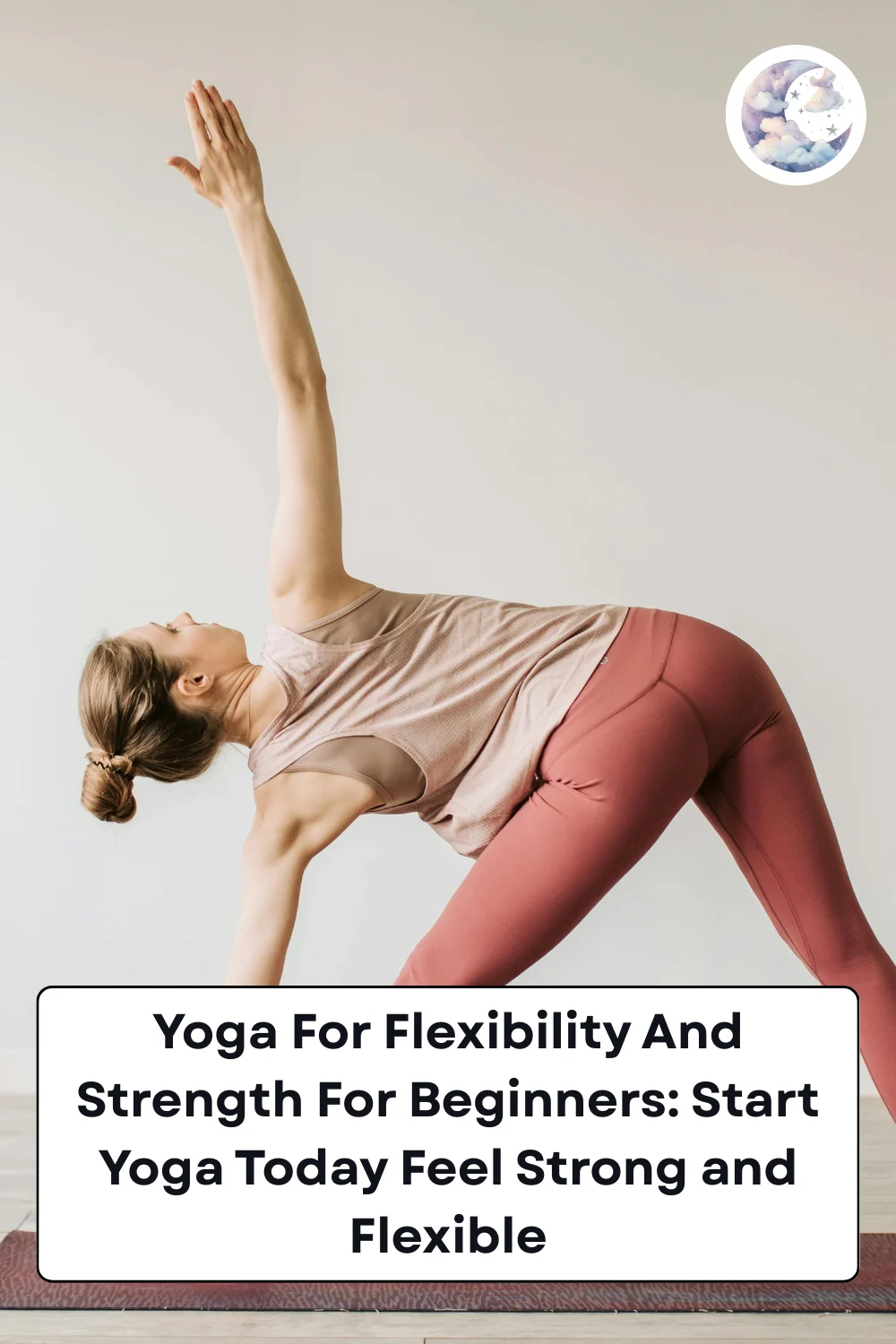
Yoga For Flexibility And Strength For Beginners: Start Yoga Today Feel Strong and Flexible
Key Takeaways
- Home yoga works best when it is simple and consistent.
- Adults prefer gentle routines that support flexibility and stress relief.
- Restorative and Yin yoga are trending for mental health and recovery.
- Chair and modified poses help people with limited mobility.
- Short daily sessions improve sleep, posture, and energy levels.
Why Yoga At Home Is Ideal For Adults?
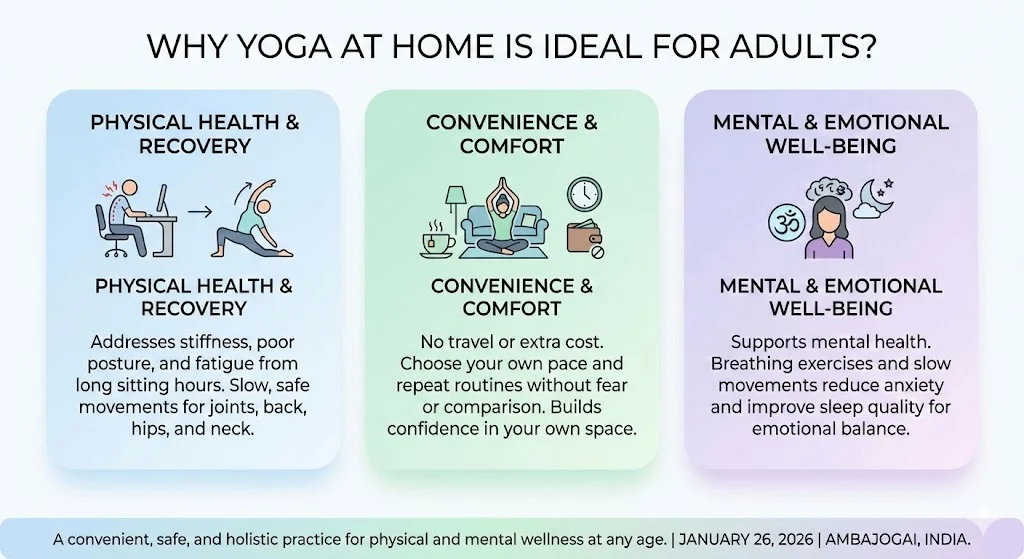
Adults often deal with stiff joints, poor posture, and mental fatigue. Long sitting hours affect the back, hips, and neck. Yoga at home allows people to move their bodies slowly and safely without travel or cost.
Practicing at home removes fear and comparison. People can choose their own pace and repeat routines as needed. This helps build confidence and long term habits. Many adults also feel more relaxed in their own space which improves breathing and focus.
Home yoga also supports mental health. Breathing exercises and slow movements reduce anxiety and improve sleep quality. This makes yoga useful not only for fitness but also for emotional balance.
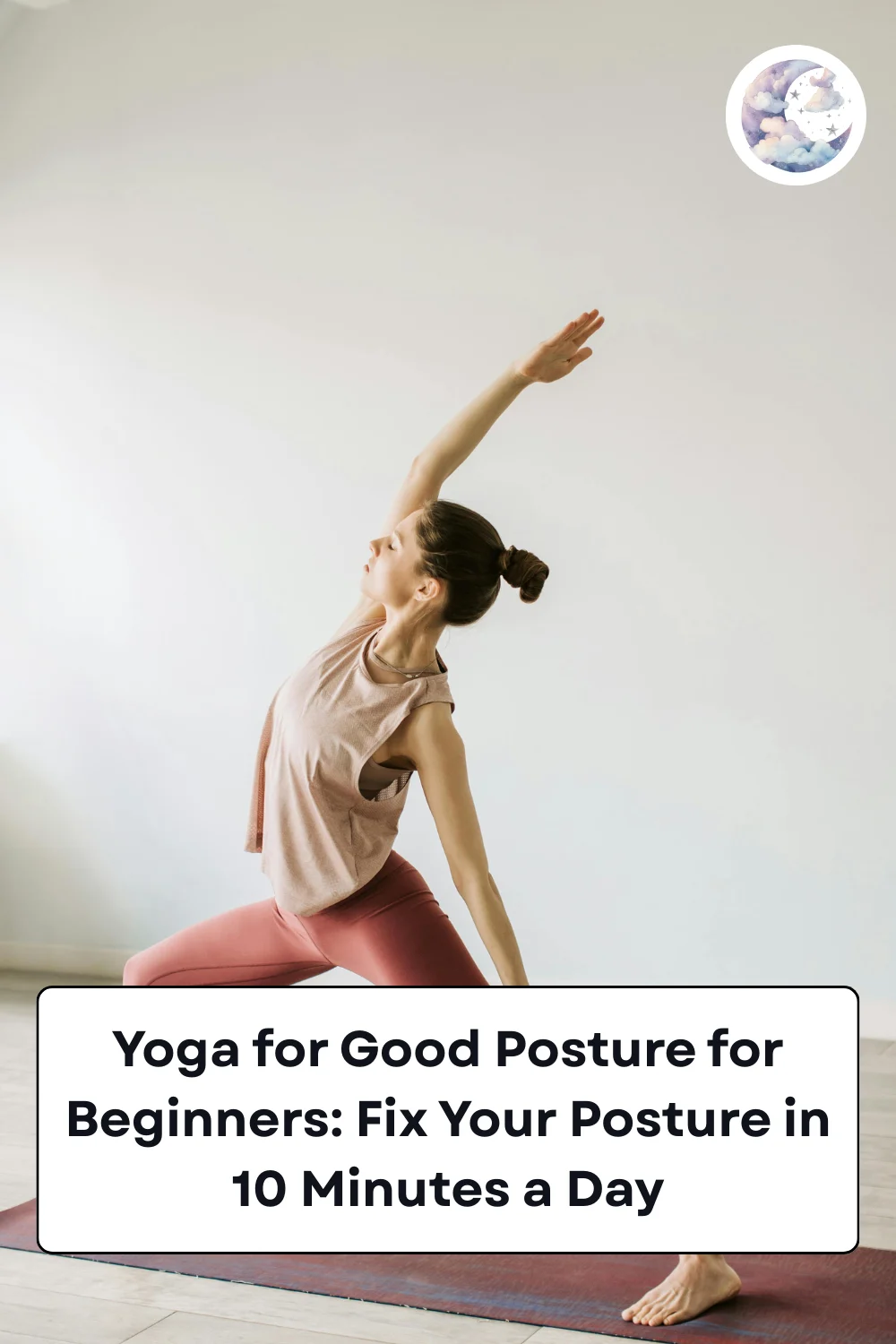
Recent Trends in Home Yoga for Adults
In 2025 and 2026, yoga has shifted toward mental wellness and recovery. Adults now look for flows that feel safe and supportive rather than intense.
Restorative and Yin yoga are rising because they focus on long holds and deep relaxation. These styles help release tension from hips, shoulders, and spine. Gentle Hatha and slow Vinyasa remain popular for balanced strength and movement.
Chair yoga has become important for older adults and people with knee or back problems. These routines allow standing and seated poses without strain. Another trend is short daily practice. Many adults prefer 20 minute routines instead of long sessions once a week.
Apps and video platforms are widely used. People like options that let them choose session length and focus area such as back pain or stress relief.
Best Yoga Styles for Adults at Home
Choosing the right yoga style matters more than doing complex poses. Adults benefit most from styles that support joints, breathing, and calm movement.
Hatha yoga builds a strong foundation. It uses basic poses and slow transitions. This makes it suitable for beginners and older adults.
Yin yoga works deeply on connective tissues. It helps with flexibility and relaxation. It is ideal for people with tight hips or stress.
Restorative yoga focuses on rest and healing. It uses gentle poses and long breathing sessions. It is useful for people with fatigue or sleep issues.
Gentle Vinyasa adds light strength and flow. It improves circulation and energy without heavy impact.
Chair yoga and modified routines allow safe practice for people with physical limits.
Best Yoga Poses for Adults at Home
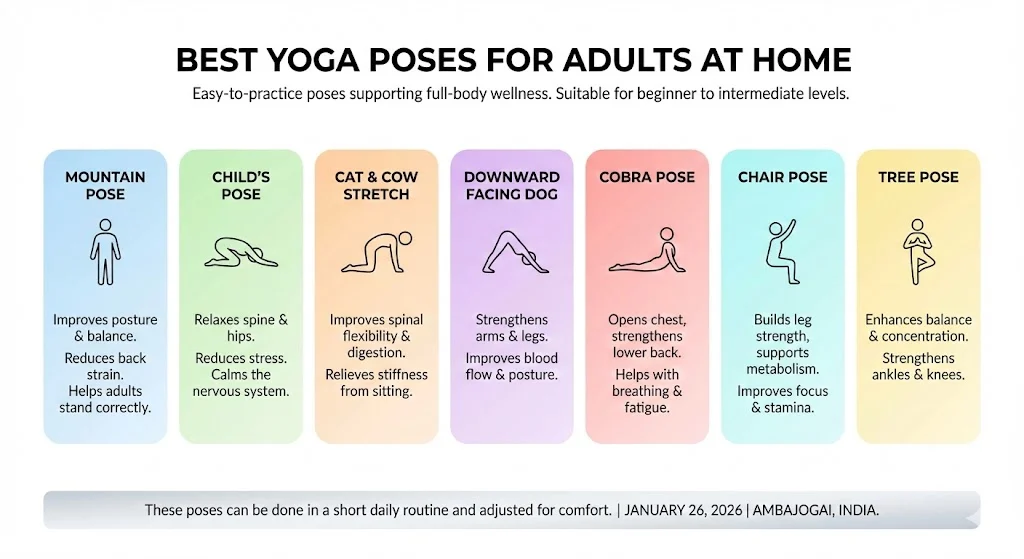
These poses are easy to practice and support full body wellness. They work for beginners and intermediate levels.
Mountain Pose (Tadasana)
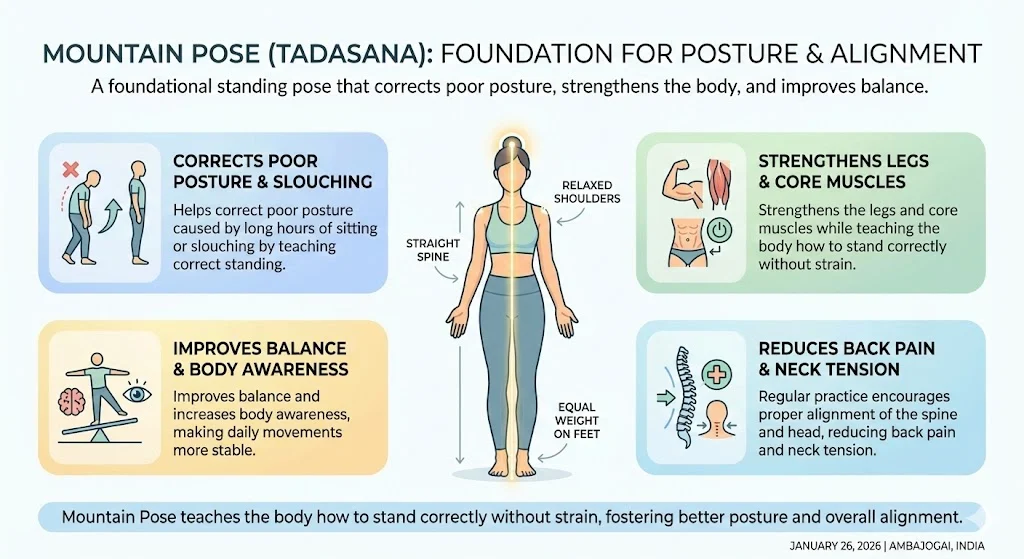
Mountain Pose is the foundation of many standing yoga postures and plays an important role in improving posture and body alignment. In this pose, the body stands tall with equal weight on both feet, the spine straight, and the shoulders relaxed.
This helps correct poor posture caused by long hours of sitting or slouching. Mountain Pose strengthens the legs and core muscles while teaching the body how to stand correctly without strain. It also improves balance and body awareness. Regular practice can reduce back pain and neck tension by encouraging proper alignment of the spine and head.
Child’s Pose (Balasana)
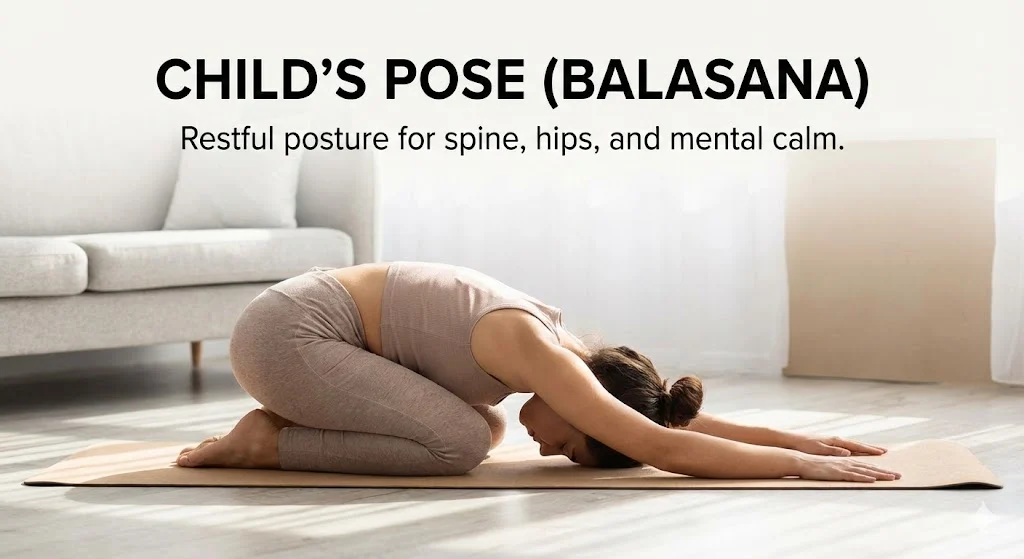
Child’s Pose is a deeply restful posture that relaxes the spine, hips, and shoulders. It allows the body to fold forward in a gentle and supported way, which calms the nervous system and reduces mental stress.
This pose is often used as a recovery position during yoga sessions because it restores energy and releases physical tension. The slow breathing practiced in this posture helps quiet racing thoughts and brings emotional comfort. Child’s Pose is especially helpful for people experiencing fatigue, anxiety, or lower back discomfort.
Cat & Cow Stretch (Marjaryasana and Bitilasana)
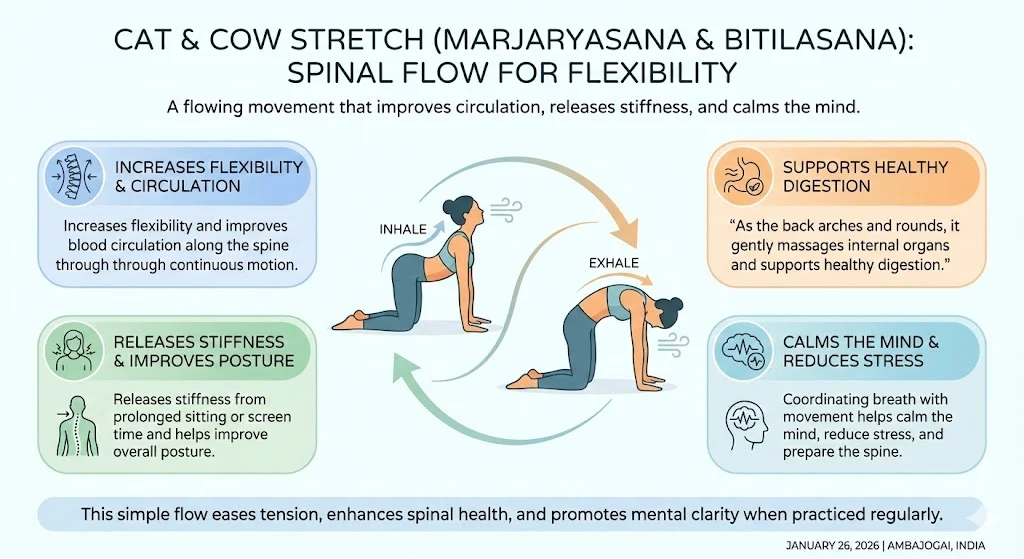
Cat and Cow Stretch is a smooth flow between two spinal movements that increases flexibility and improves circulation along the spine. As the back arches and rounds, it massages the internal organs and supports healthy digestion.
This movement releases stiffness in the neck, shoulders, and lower back caused by prolonged sitting or screen time. Coordinating the breath with each movement helps calm the mind and reduce stress. Cat and Cow Stretch also improves posture and prepares the spine for deeper stretching.
Downward Facing Dog (Adho Mukha Svanasana)
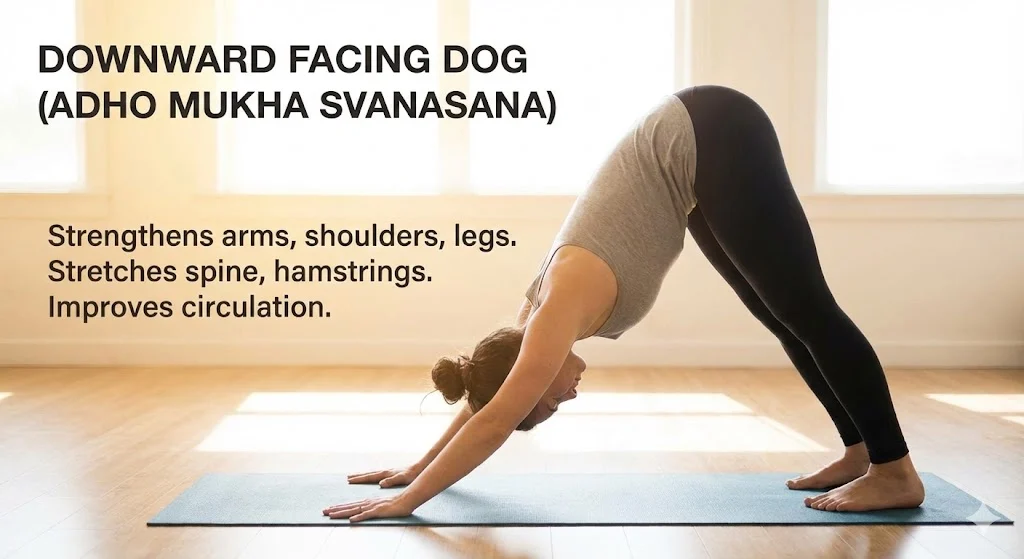
Downward Facing Dog is a full body posture that strengthens the arms, shoulders, and legs while stretching the spine and hamstrings. It improves blood circulation by placing the heart slightly above the head, which helps refresh the brain and reduce fatigue.
This pose supports better posture by lengthening the back and relieving pressure from the lower spine. It also helps reduce tension in the neck and shoulders. Practicing Downward Facing Dog regularly improves overall body strength and promotes steady breathing.
Cobra Pose (Bhujangasana)
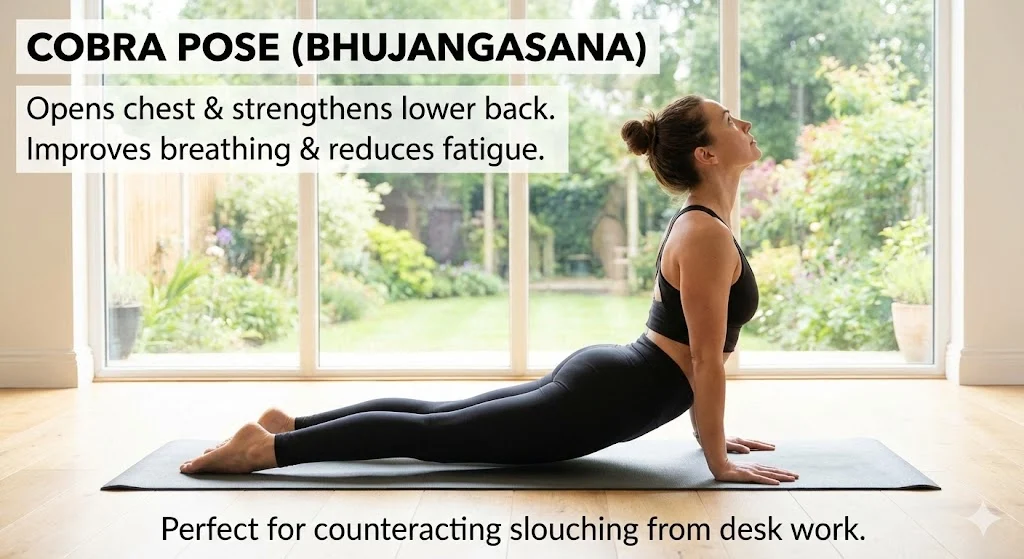
Cobra Pose gently opens the chest and strengthens the muscles of the lower back. This posture counteracts the effects of slouching and rounded shoulders caused by desk work. By lifting the chest and expanding the lungs, it improves breathing capacity and increases oxygen flow to the body.
Cobra Pose also stimulates the digestive organs and helps reduce fatigue. It is often used to ease stiffness in the spine and restore energy during times of physical or mental tiredness.
Chair Pose (Utkatasana)
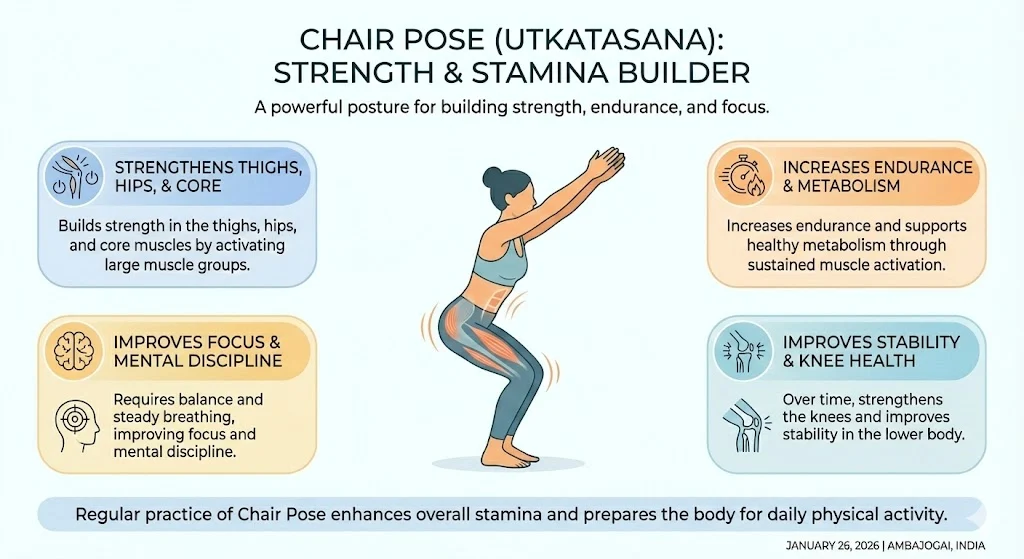
Chair Pose is a powerful posture that builds strength in the thighs, hips, and core muscles. It increases endurance and supports healthy metabolism by activating large muscle groups.
This pose also improves focus and mental discipline because it requires balance and steady breathing while holding the position. Chair Pose helps improve stamina and prepares the body for daily physical activity. Over time, it strengthens the knees and improves stability in the lower body.
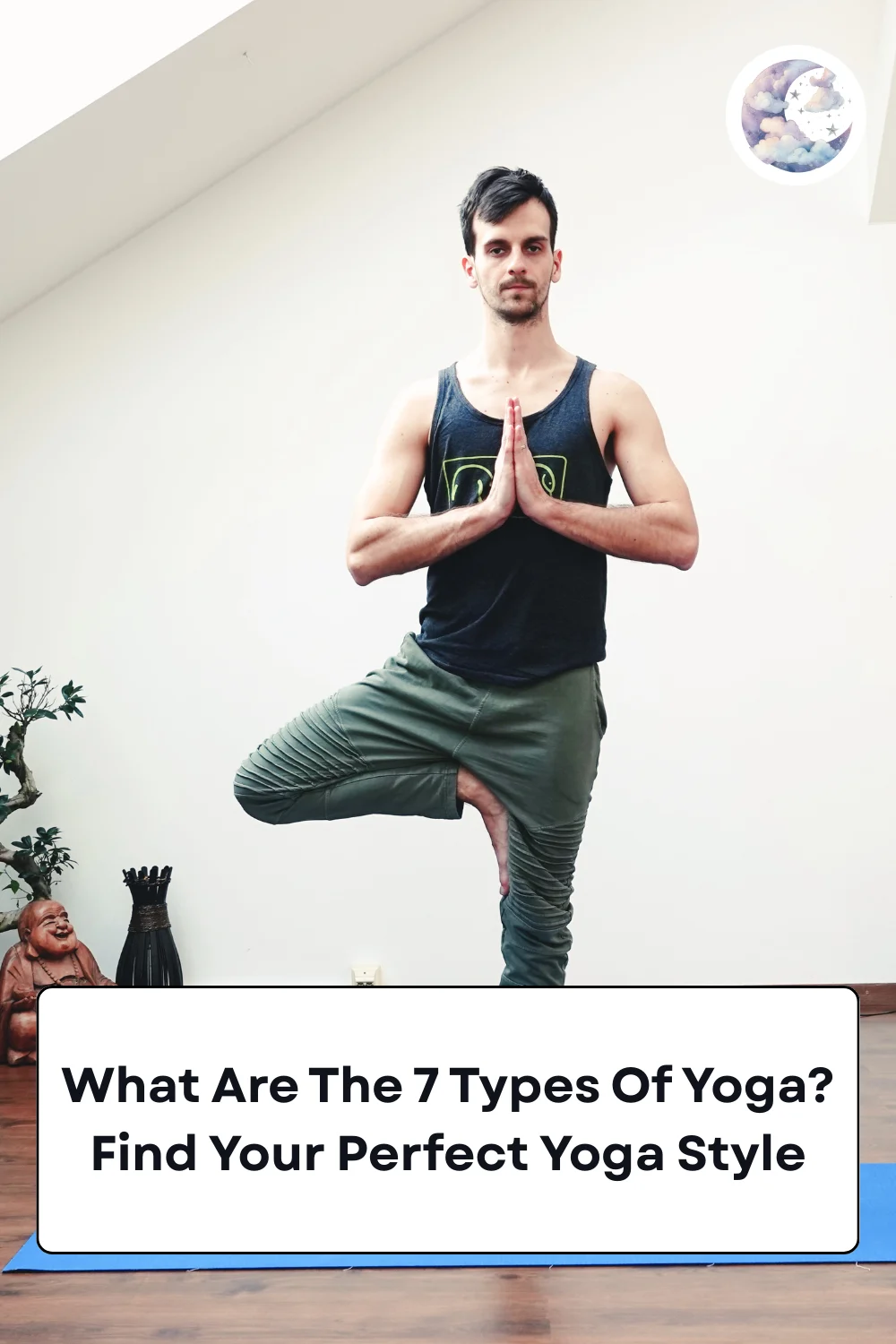
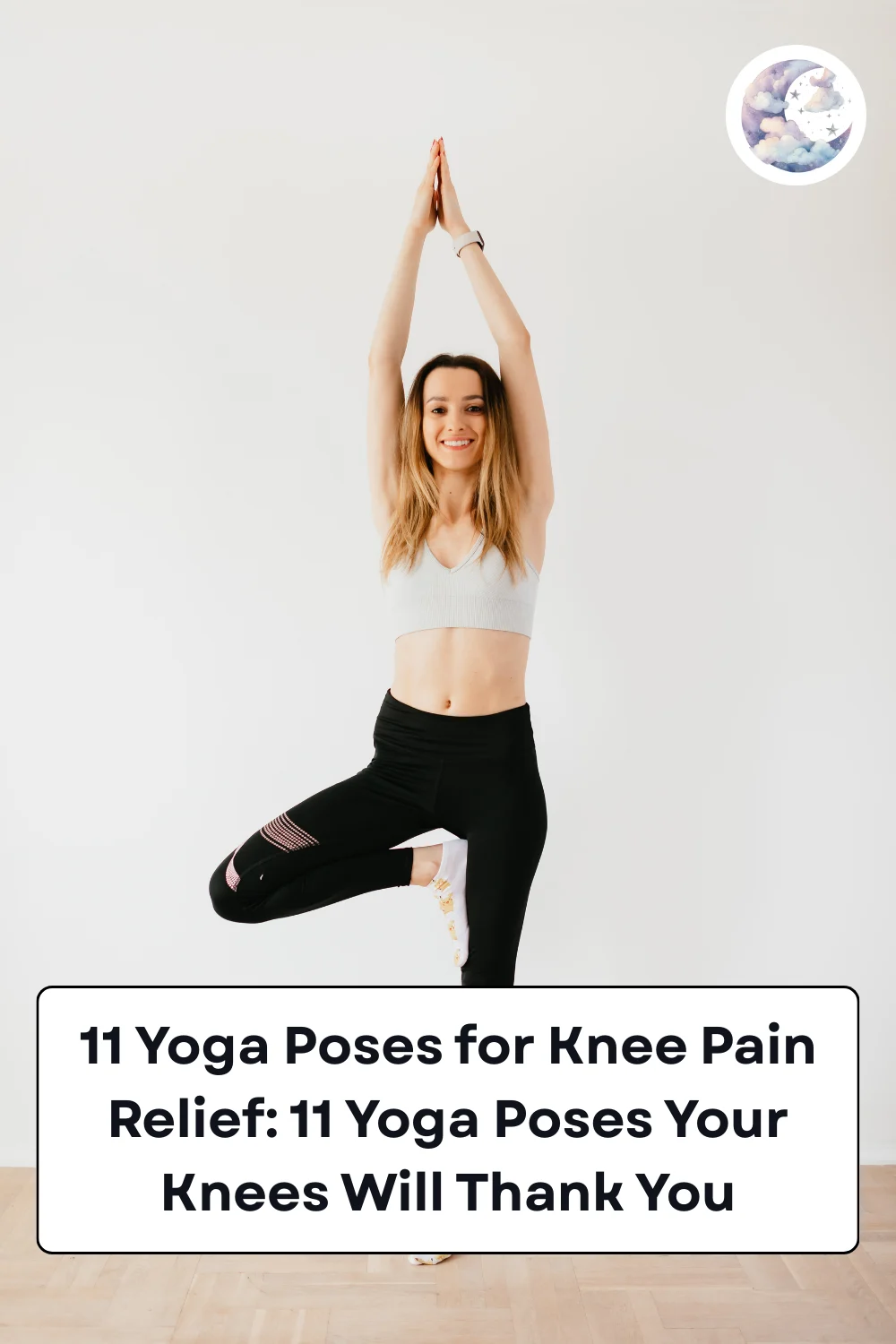
Tree Pose (Vrikshasana)
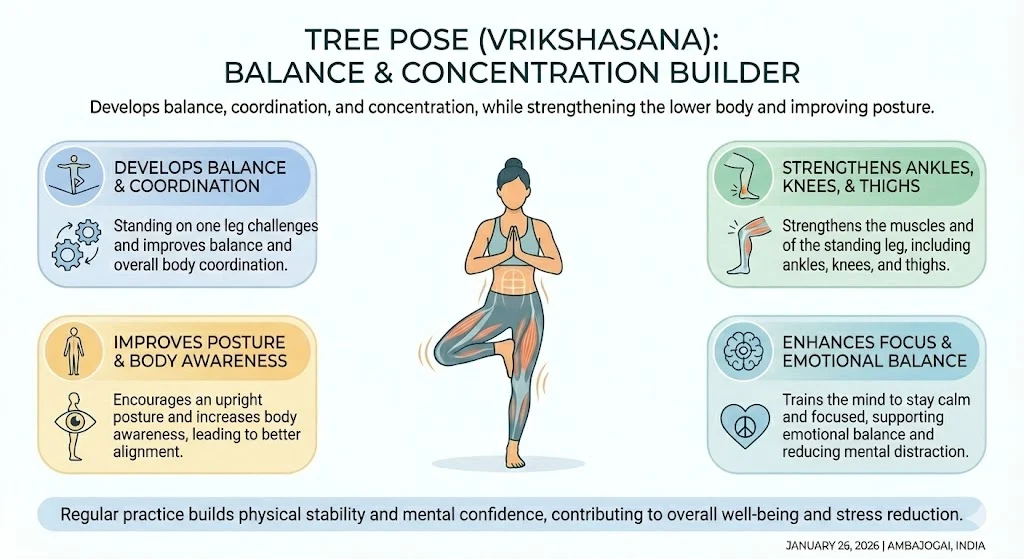
Tree Pose develops balance, coordination, and concentration. Standing on one leg while keeping the body upright strengthens the ankles, knees, and thighs.
This pose also improves posture and body awareness. Tree Pose trains the mind to stay calm and focused, which supports emotional balance and stress control. Regular practice builds confidence and stability both physically and mentally. It is especially helpful for improving attention and reducing mental distraction.
Together, these yoga poses form a balanced routine that supports posture, strength, flexibility, and mental clarity. Practicing them regularly helps reduce stress, improve physical stability, and build overall well-being.
These poses can be done in a short daily routine and adjusted for comfort.
Benefits of Practicing Yoga at Home for Adults
Yoga offers physical and mental benefits that improve daily life. Adults who practice regularly report better mobility and reduced pain.
Flexibility increases gradually. This lowers the risk of joint problems and muscle stiffness. Strength improves without heavy equipment. This supports posture and balance.
Mental health improves through controlled breathing and slow movement. Yoga reduces stress and supports emotional stability. Sleep quality also improves when yoga is practiced in the evening.
Yoga also helps with chronic conditions. Many adults use it for back pain, diabetes support, and blood pressure control. It works best when combined with healthy food and walking.
What Adults Admire in Home Yoga Routines
Adults prefer routines that feel welcoming and simple. They admire instructors who explain poses clearly and avoid pressure. Short sessions are valued more than long complex flows.
Many people trust platforms that offer free or affordable content. They like choosing sessions based on time and body needs. Hip openers and back relief videos are especially popular.
People also admire routines that focus on breathing and mindfulness instead of appearance. This creates a habit that feels supportive and sustainable.
How to Build a Simple Home Yoga Routine
A good routine starts with warm up movements. Neck rolls and shoulder stretches prepare the body. Then a few standing poses improve circulation.
Middle poses should focus on spine and hips. Cat and Cow and Cobra are useful here. End the session with Child’s Pose or seated breathing.
A complete session can be 20 to 30 minutes. Consistency matters more than intensity. Practicing five days a week brings better results than long sessions once a week.
Safety Tips for Adults Practicing Yoga at Home
Adults should listen to their bodies. Pain should not be ignored. Stretching discomfort is normal but sharp pain is not.
Using a mat or soft surface prevents joint stress. Chair support can be used for balance. Drinking water and breathing slowly improves safety.
People with medical conditions should choose gentle styles and avoid sudden movements. Restorative and Yin yoga are safest for beginners and seniors.
Mental Health and Emotional Balance Through Yoga
Home yoga helps reduce anxiety and mental fatigue. Breathing exercises calm the nervous system and improve focus.
Many adults report better sleep after evening yoga. Morning yoga improves energy and mood. These small changes improve quality of life.
Yoga also creates a sense of routine. This structure helps manage stress from work and family responsibilities.
Long Term Impact of Home Yoga for Adults
Over time, yoga builds physical strength and emotional resilience. Adults who practice regularly have fewer posture problems and less joint pain.
Mental clarity improves with breathing and movement. Stress becomes easier to manage. These effects support long term health and independence.
Home yoga is affordable and accessible. It removes barriers such as travel and cost. This makes it one of the most sustainable wellness habits for adults.
Final Thoughts
The best yoga for adults at home is gentle, flexible, and easy to follow. Styles like Hatha, Yin, restorative, and chair yoga meet the needs of busy and aging bodies. Short daily routines bring better results than intense sessions.
Adults value comfort, safety, and mental peace. Home yoga supports all three. It improves flexibility, reduces stress, and builds a healthier lifestyle without pressure.
By choosing simple poses and practicing consistently, adults can experience long term wellness and emotional balance from their own living space.
Tags: home yoga, yoga for adults, gentle yoga, stress relief yoga, flexibility exercises, mental wellness