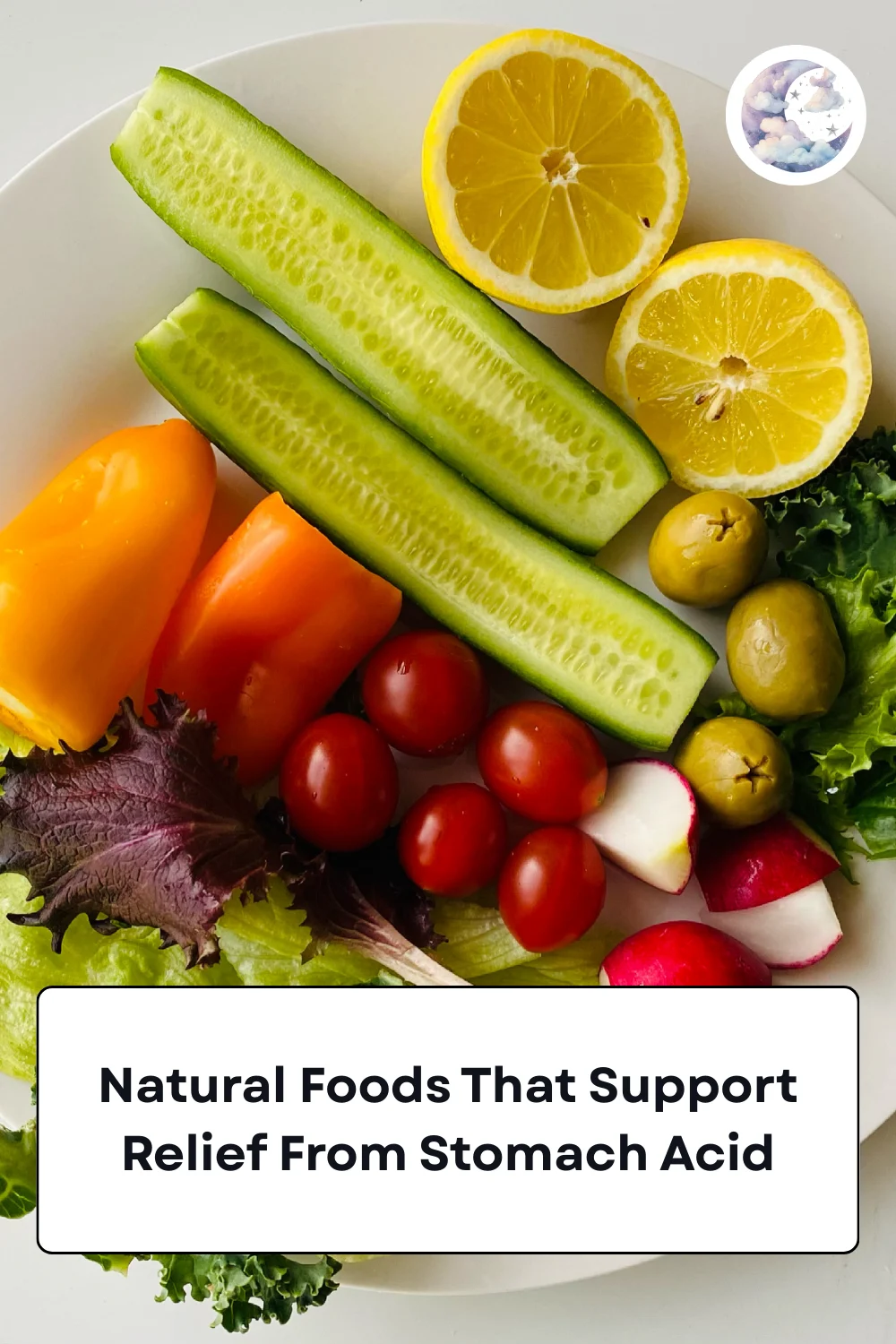
Stomach acid problems such as heartburn and acid reflux affect millions of people every day. These symptoms often appear after heavy meals, late night eating, or consuming spicy and oily foods. Many people now prefer food based solutions instead of depending only on medicines.
In recent years, public interest has shifted toward natural and simple foods that help calm the stomach and support digestion. Online discussions show that people want gentle options that reduce burning and discomfort without making strong medical claims.
Table of Contents

Key Takeaways
- Certain foods help soothe the stomach and lower acid discomfort
- Bananas and oatmeal are the most trusted daily options
- Ginger and watery vegetables calm irritation in the digestive tract
- Baking soda works fast but should be used carefully
- Long term relief depends on regular food habits and lifestyle
Stomach acid is necessary for digestion, but problems start when acid flows upward into the food pipe. This creates burning pain and irritation. Foods that are low in acid or rich in fiber help absorb excess acid and protect the stomach lining. They do not cure acid reflux but help manage symptoms and improve comfort.
How Food Choices Affect Stomach Acid?
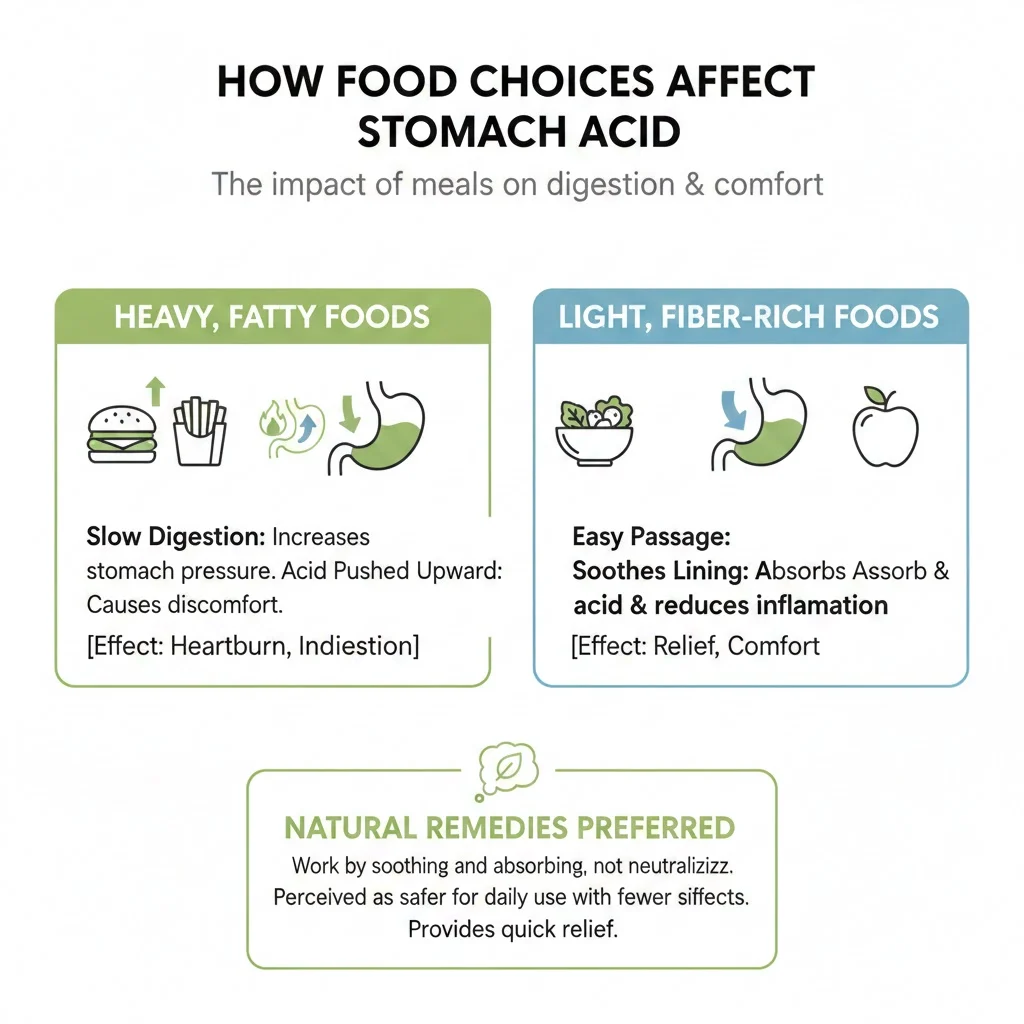
Food directly controls how much acid the stomach produces and how strongly it reacts. Heavy and fatty meals slow digestion. This increases pressure inside the stomach and pushes acid upward. On the other hand, light and fiber rich foods pass easily through the digestive system.
Most natural foods do not neutralize acid in the same way as chemical antacids. They work by soothing the stomach lining, absorbing acid, and reducing inflammation. This is why people often feel relief within a short time after eating certain foods.
Public discussions show a strong preference for natural remedies because they feel safer for daily use and cause fewer side effects.

Foods Commonly Used to Ease Stomach Acid Symptoms
Based on current trends and shared experiences, the following foods are widely used for stomach acid discomfort:
- Bananas
- Oatmeal
- Ginger
- Watermelon and cucumber
- Leafy green vegetables
- Low fat yogurt
- Almonds
- Baking soda mixed with water
These foods are chosen because they are gentle, easy to digest, and widely available. Many people report feeling better after eating one banana or a bowl of oatmeal during a flare up.
Why Bananas Are So Popular
Bananas are one of the most trusted foods for stomach acid problems. They are naturally low in acid and contain fiber that helps absorb excess stomach acid. Their soft texture forms a protective layer over the stomach lining.
People often say that eating a ripe banana slowly brings comfort quickly. This is why bananas are often called a natural antacid by the public. They are easy to carry and safe for daily use.
Bananas also help prevent overeating, which is another common trigger for heartburn.
How Oatmeal Supports Digestive Comfort
Oatmeal is often recommended as a breakfast food for people who experience acidity. It absorbs stomach acid and keeps the stomach full for longer. This reduces pressure that causes acid to move upward.
Oats are rich in fiber and help control appetite and weight. Many users report that a plain bowl of oatmeal with water or low fat milk calms burning sensations.
Oatmeal is suitable for regular use and does not irritate the stomach lining.
Ginger and Its Calming Effect
Ginger has been used for digestive discomfort for many years. It contains natural compounds that reduce inflammation and calm the stomach. Ginger tea or small pieces of fresh ginger are commonly taken when heartburn begins.
Online discussions show that ginger works well for bloating and burning pain. It does not block acid production but helps the stomach heal and move food smoothly.
Many people prefer ginger because it feels gentle and natural.
Watery Fruits and Vegetables That Help Dilute Acid
Water rich foods help reduce the strength of stomach acid. Watermelon and cucumber are among the most admired foods in this group. They increase hydration and reduce irritation inside the stomach.
Leafy greens such as spinach, broccoli, and asparagus are low in acid and support digestion. Root vegetables like carrots and sweet potatoes are also easy to digest and help prevent discomfort.
These foods work best when eaten plain without spices or oil.
Almonds and Their Binding Effect
Almonds are known for their ability to bind excess stomach acid. Chewing a small number of almonds slowly can help reduce burning sensations. They contain fiber and healthy fats that support gut health.
People often keep almonds as a quick snack during acid reflux episodes. Eating small portions and chewing properly gives better results.
Yogurt and Probiotics
Low fat yogurt provides a cooling and soothing effect. It contains probiotics that help balance gut bacteria. This improves digestion and reduces acid related discomfort over time.
Some people feel relief after eating yogurt, while others notice discomfort. This depends on individual tolerance. Plain low fat yogurt works better than sour or sweetened varieties.
Baking Soda as a Short Term Remedy
Baking soda mixed with water is one of the fastest acting home remedies mentioned online. Many users say that one teaspoon in water helps during strong heartburn episodes.
This works because baking soda directly reacts with stomach acid. However, it should not be used regularly. Frequent use can disturb the natural acid balance and cause side effects.
It is best used only occasionally and not as a daily habit.
Public Trend Data on Acid Reducing Foods (Data Taken From X)
The following table summarizes which foods people trust most and why.
| Food or Remedy | Reason for Popularity | Common Use |
|---|---|---|
| Bananas | Coats stomach and soothes discomfort | Fresh fruit snack |
| Oatmeal | Absorbs acid and keeps stomach full | Breakfast or light meal |
| Ginger tea | Calms irritation and bloating | Warm drink |
| Watermelon and cucumber | Dilutes acid with high water content | Snack |
| Almonds | Binds excess acid | Small handful |
| Baking soda in water | Reduces acid quickly | Occasional home remedy |
This trend shows a clear shift toward natural and food based relief rather than strong medicines.
Foods That Can Increase Acid Problems
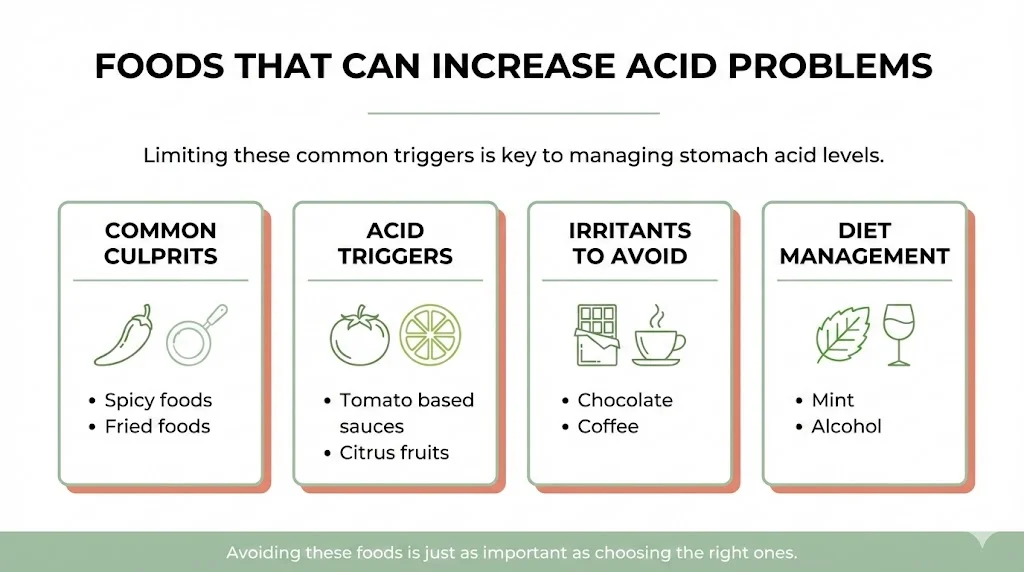
Some foods increase stomach acid and should be limited:
- Spicy foods
- Fried foods
- Tomato based sauces
- Citrus fruits
- Chocolate
- Coffee
- Mint
- Alcohol
Avoiding these foods is just as important as choosing the right ones.
Long Term Approach to Acid Management
Quick relief foods help during discomfort, but long term control depends on daily habits. Eating small meals and avoiding late night eating reduces pressure on the stomach.
Drinking enough water supports digestion. Sleeping with the head slightly raised also helps prevent nighttime acid symptoms.
Public discussions show a growing interest in healing the stomach rather than only blocking acid. Ginger, aloe vera, and plant based foods are now part of many daily routines.
Some people believe that low stomach acid can also cause reflux like symptoms. They use small amounts of apple cider vinegar to support digestion. This method should be used carefully and with guidance.
When Medical Advice Is Needed
If acid reflux happens often or affects daily life, medical advice is important. Long lasting symptoms can damage the food pipe and lead to other health problems.
Food changes help many people, but some need proper diagnosis and professional care.
Conclusion
Foods that help reduce stomach acid naturally work by soothing the stomach and absorbing excess acid. Bananas, oatmeal, ginger, and watery vegetables are the most trusted options. Baking soda can provide short term relief but should be used with care.
Current trends show strong interest in natural food based solutions. These foods are easy to find and suitable for daily use. Real relief comes from combining the right foods with healthy eating habits and avoiding known triggers.
Managing stomach acid is not about one single food. It is about steady choices that support digestion and protect the stomach over time.
Tags: acid reflux diet, stomach acid foods, heartburn relief, GERD friendly foods, digestive health, natural remedies