Life Lessons From The Movie Up: Simple Truths That Stay With You
Life Lessons From The Movie Up Simple Truths That Stay With You (1)
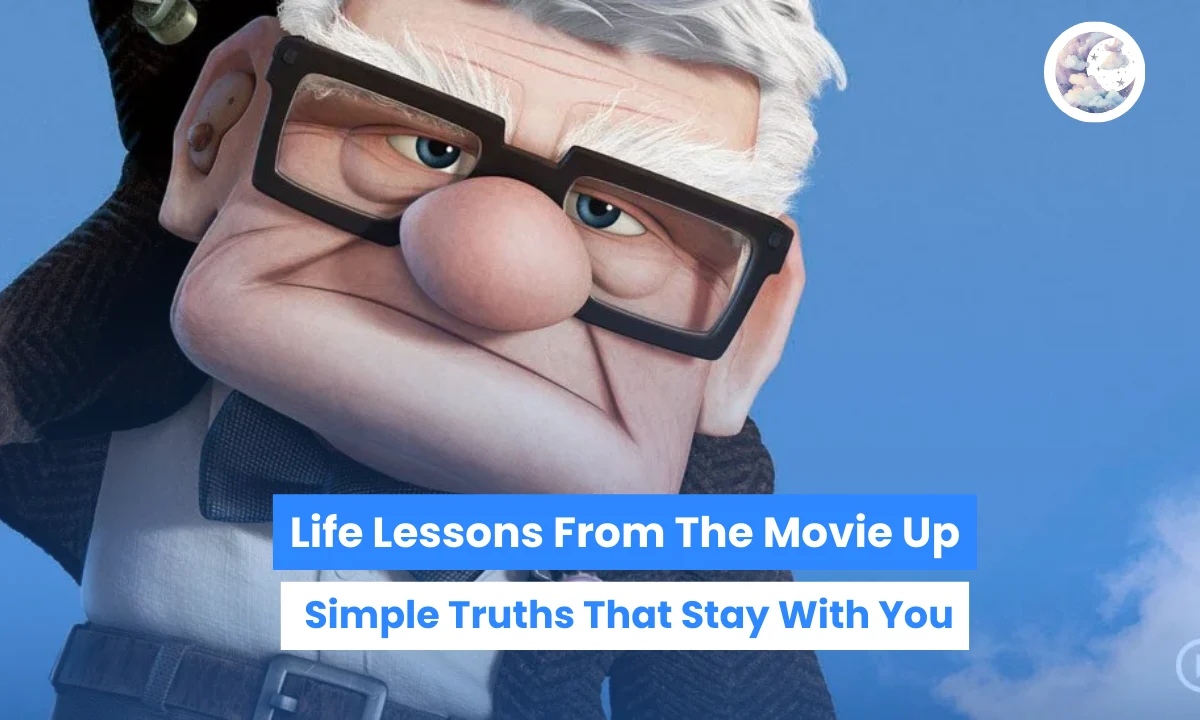
Life lessons from the movie Up continue to connect with people even years after its release because the film speaks about real emotions that many experience but rarely talk about openly. The movie shows love, loss, aging, regret, and renewal in a quiet yet powerful way. While it is often seen as an animated adventure for children, adults usually discover that Up reflects life more honestly than many serious films.
At its core, the movie reminds us that life does not always go according to plan, but meaning can still be found in everyday moments and unexpected relationships. Through Carl’s journey and the memories he shares with Ellie, the film encourages viewers to rethink what adventure truly means and how purpose can appear even after deep loss.
Key takeaways
- It is never too late to start again or pursue long-held dreams
- Everyday moments often matter more than grand plans
- Letting go of grief allows space for new purpose
- Relationships shape life more than achievements
- Aging does not end growth or meaningful connection

How The Movie Up Explores Life Beyond Childhood Storytelling
The movie Up stands out because it does not talk down to its audience. Instead of relying only on humor or fantasy, it presents emotional realities in a way that feels honest. The opening sequence alone captures an entire lifetime of love, shared hopes, disappointments, and quiet joy without heavy dialogue.
Many viewers describe this opening as one of the most emotional moments in film because it reflects real life. Dreams get delayed. Plans change. Loss arrives without warning. Yet the film avoids bitterness and instead focuses on acceptance and meaning.
This approach makes the movie relevant to children and adults in very different ways.
It Is Never Too Late To Begin A New Chapter
One of the most repeated life lessons from the movie Up is that age does not limit new beginnings. Carl is well into his later years when he finally sets out on the adventure he once promised. While the journey begins as a way to honor the past, it slowly transforms into something new.
The message here is not about chasing unrealistic dreams. It is about refusing to believe that life is over simply because time has passed. Many viewers say this lesson motivates them to stop postponing goals and to take action rather than waiting for the perfect moment.
The film quietly challenges the idea that youth is the only time for adventure.
Everyday Moments Are The Real Adventure
Another powerful theme is the value of ordinary life. Carl and Ellie dream of Paradise Falls, but the movie later reveals that their shared daily life was the real adventure. The scrapbook Ellie leaves behind shows that love, companionship, and simple happiness mattered more than reaching a destination.
This lesson resonates strongly with audiences who feel pressure to chase milestones or achievements. The movie suggests that joy often exists in routine moments like shared meals, small celebrations, and quiet support during hard times.
Many viewers reflect on how the film helped them appreciate what they already have instead of focusing only on what is missing.
Learning To Let Go Without Forgetting
Grief is a central theme in the movie. Carl’s attachment to his house represents his inability to move forward after losing Ellie. The house holds memories, but it also traps him emotionally.
As the story unfolds, Carl learns that honoring the past does not mean being stuck in it. Letting go becomes a way to respect love rather than erase it. This message is especially meaningful for viewers dealing with loss or regret.
The film shows that healing does not mean forgetting. It means allowing life to continue with new meaning.
Unexpected Relationships Can Change Everything
The bond between Carl and Russell highlights the importance of unexpected connections. Their relationship starts awkwardly and grows into something deeply supportive for both of them.
Russell finds the attention and care he is missing, while Carl discovers companionship and renewed purpose. Many viewers describe this relationship as a reminder that family is not limited to traditional definitions.
This theme resonates in discussions about loneliness, especially among older adults. The movie suggests that connection and empathy can exist across generations when people are willing to open themselves emotionally.
How The Movie Reflects Society’s View Of Aging
Public discussions often point out that the movie subtly critiques how society treats elderly individuals. Carl is seen as an obstacle rather than a person with history and value. His isolation mirrors real-world issues related to aging populations and loneliness.
Russell’s kindness stands in contrast to the surrounding community. This difference highlights how empathy can challenge harmful social attitudes. Many viewers connect this aspect of the film to modern discussions about elderly care and respect.
The movie does not lecture on this topic, but the message remains clear through storytelling.
Public opinion on life lessons from the movie Up
Public reaction on X and other platforms remains deeply emotional. Many people continue to share how the opening sequence affected them, calling it one of the most meaningful portrayals of love and loss in cinema.
Others discuss how the movie helped them process grief. Some viewers note that Ellie’s acceptance of her life offers comfort, showing that fulfillment does not require checking every dream off a list.
A large portion of the audience highlights how differently the film feels when watched as an adult. Themes of regret, aging, and purpose become more visible over time. Many describe the movie as wiser with each viewing, especially during life transitions.
Overall sentiment remains overwhelmingly positive, with people describing Up as timeless, honest, and emotionally grounding.
What The Movie Teaches About Purpose & Meaning
The movie Up reframes the idea of purpose. Instead of linking meaning to success or adventure alone, it presents purpose as something shaped by relationships and presence.
Carl’s purpose changes over time. It shifts from fulfilling a promise to protecting others and caring deeply again. This evolution reflects real life, where goals often change based on circumstances.
Viewers often say this lesson encourages them to stay flexible and open to new directions rather than feeling stuck in old definitions of success.
Why these lessons still matter today?
Even years after its release, the movie remains relevant because the issues it explores are timeless. Aging, loneliness, love, grief, and the search for meaning continue to shape modern life.
The film offers comfort without false promises. It does not claim that everything will be perfect. Instead, it shows that life can still be meaningful even when it looks different than expected.
This honesty is why the movie continues to be shared, discussed, and revisited.
Final thoughts on life lessons from the movie Up
Life lessons from the movie Up remind viewers that living fully does not depend on age, wealth, or perfect timing. It depends on presence, connection, and the willingness to keep moving forward.
The film encourages people to honor their past without being controlled by it, to value everyday moments, and to remain open to unexpected relationships. These lessons feel especially relevant in a world where many struggle with isolation and delayed dreams.
Up remains more than an animated film. It is a quiet guide on how to live with intention.
Tags: life lessons from up, movie up life lessons, pixar up meaning, up movie analysis, lessons from animated movies, emotional movies lessons, aging and purpose
Related Posts :


Share This Post