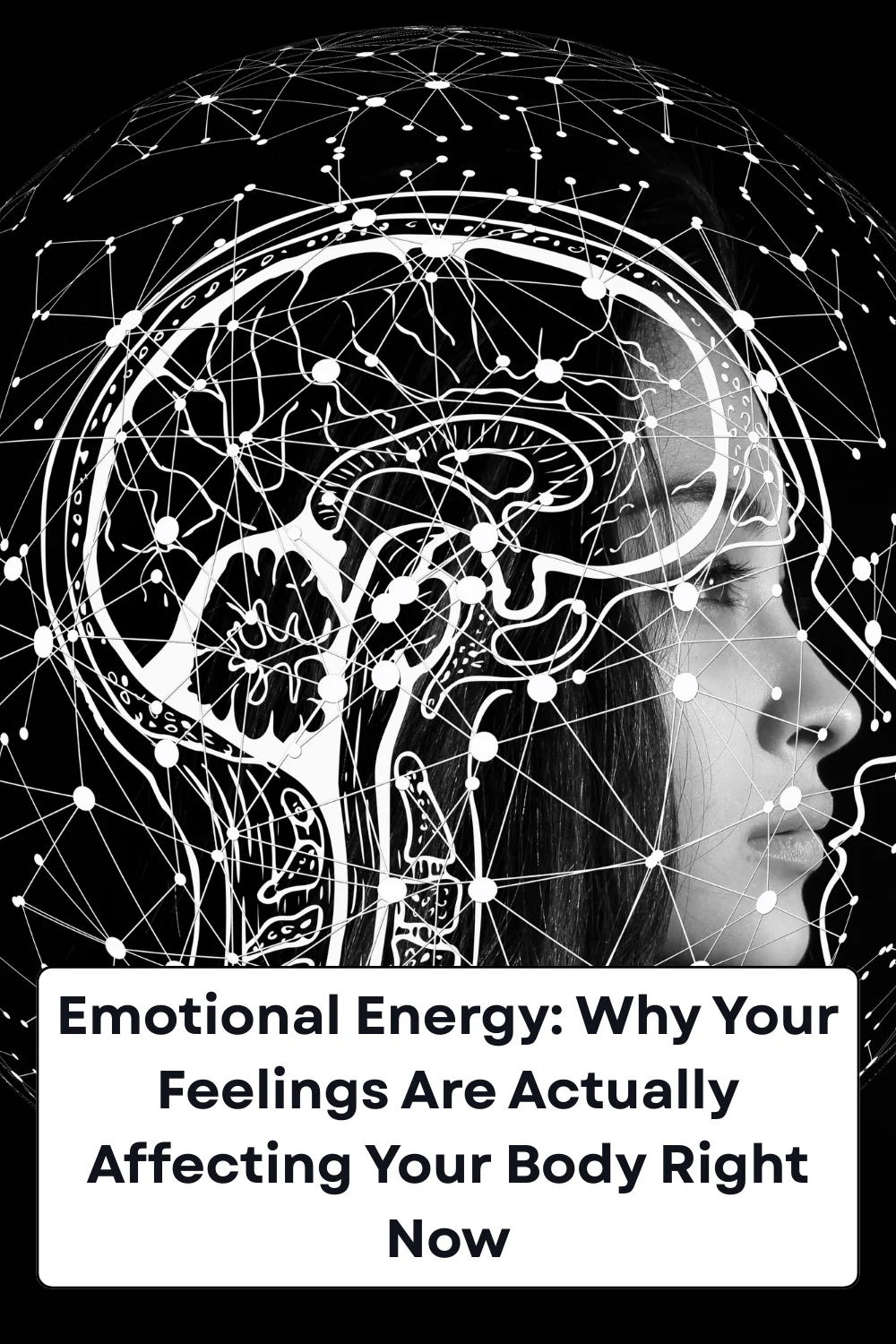
Have you ever felt your stomach churn before a big presentation or noticed a headache creeping in during a stressful week.
These are not just coincidences. Your emotional energy is directly talking to your body every single moment and I have seen this connection play out countless times in my own life and in others around me. The way we feel emotionally creates ripples through our physical body in ways that science is only beginning to fully understand.
I used to think emotions were just mental experiences that stayed in my head. But after years of observing how my body responds to stress, joy, anger and sadness, I realized something powerful. Emotional energy is not some abstract concept.
It is real energy that moves through your body and either supports your health or slowly breaks it down. When you suppress your emotions or let negative feelings pile up without processing them, your body pays the price through physical symptoms that can become chronic over time.
The connection between emotional energy and physical health is what experts call the mind-body connection or brain-body connection. I have learned that when we experience strong emotions, our brain immediately sends signals throughout our body.
These signals trigger the release of hormones like cortisol and affect our immune system, heart rate, digestion and even how our cells function. Your feelings are not separate from your physical body. They are deeply woven into every system that keeps you alive and functioning.
Key Takeaways
- Emotional energy directly impacts physical health through hormonal changes, immune function and nervous system responses
- Suppressed or unprocessed emotions can manifest as chronic pain, inflammation, digestive issues and weakened immunity
- The amygdala in your brain acts as a bridge between emotional experiences and physical stress responses
- Positive emotions build resilience and promote healing while prolonged negative emotions increase disease risk
- Learning emotional regulation techniques can improve both mental wellbeing and physical health outcomes
- Your gut and heart are especially sensitive to emotional states due to direct brain connections

How I Discovered Emotional Energy Was Affecting My Health
I remember the first time I truly understood this connection. I was going through a particularly stressful period at work and suddenly developed digestive problems that doctors could not fully explain.
After running tests that came back normal, one doctor suggested my gut issues might be related to stress. I was skeptical at first but decided to pay attention to when my symptoms worsened. Sure enough, on days filled with anxiety and tension, my stomach would be in knots. On calmer days, I felt fine.
This experience opened my eyes to how emotional energy flows through the body. The brain-gut connection is incredibly strong because your gut is often called the second brain. It has its own nervous system and produces many of the same neurotransmitters as your brain.
When I feel stressed or anxious, my brain sends distress signals to my gut. This can cause everything from mild discomfort to serious conditions like irritable bowel syndrome. I started noticing that many people around me had similar experiences where their emotions were creating real physical symptoms.
The Science Behind Emotional Energy and Your Body
Research has shown that emotional energy affects us through multiple biological pathways. When you experience negative emotions like fear, anger or chronic stress, your brain triggers the release of cortisol through the HPA axis.
Cortisol is your body’s main stress hormone and in short bursts it helps you handle challenges. But when emotional stress becomes constant, cortisol levels stay elevated and this wreaks havoc on your body.
I have read studies showing that prolonged high cortisol leads to weakened immune function, high blood pressure, inflammation throughout the body and increased risk of cardiovascular disease. Your immune system becomes less effective at fighting off infections. Your blood vessels tighten raising your risk for heart problems.
Inflammation increases which is linked to almost every chronic disease from arthritis to diabetes to cancer. All of this happens because emotional energy that is not processed properly keeps your body in a constant state of alert.
The amygdala is a small part of your brain that plays a huge role in this process. It acts as your emotional alarm system and when it detects threats or negative emotions, it activates your stress response.
I learned that people who struggle with emotional regulation tend to have overactive amygdalas that stay switched on too long. This means their bodies never fully relax even when the stressful situation has passed. Over time this constant activation damages tissues and organs.
What Happens When You Suppress Emotional Energy
In many cultures including my own, we are taught to suppress emotions rather than express them. Phrases like do not cry or be strong often mean hide your feelings. I used to think this made me tougher but I have come to understand that suppressed emotional energy does not disappear. It gets stored in your body as tension, pain and eventually disease.
When you push down feelings of grief, anger or fear, those emotions find other ways to express themselves. I have noticed that people who bottle up emotions often develop chronic headaches, back pain, muscle tension or unexplained fatigue.
This is not weakness or imagination. It is your body trying to release emotional energy that has nowhere else to go. Some researchers call this psychosomatic illness but I prefer to think of it as your body speaking the emotions you will not let yourself feel.
Depression and anxiety are especially damaging to physical health when they go untreated. Studies show that depression changes cellular immunity in measurable ways. It reduces the activity of natural killer cells which fight cancer and infections.
It lowers white blood cell counts making you more vulnerable to illness. I have seen this pattern repeatedly where emotional health and physical health decline together in a downward spiral.
How Positive Emotional Energy Heals Your Body
The good news is that emotional energy works both ways. Just as negative emotions can harm you, positive emotions actively heal and strengthen your body. When I started practicing gratitude and mindfulness, I noticed real changes in how I felt physically.
My sleep improved, I had more energy and I got sick less often. This was not just in my head. Positive emotions trigger the release of beneficial hormones and neurotransmitters that support healing.
Research shows that people with positive outlooks have lower blood pressure, better cardiovascular health, stronger immune systems and longer lifespans. When you feel joy, love, gratitude or peace, your nervous system shifts into a more relaxed state.
Your heart rate becomes more variable which is a sign of resilience. Inflammation decreases throughout your body. Your cells actually function better when bathed in the chemistry of positive emotions versus negative ones.
I try to cultivate positive emotional energy through simple daily practices. Spending time in nature, connecting with loved ones, practicing deep breathing and engaging in activities that bring me joy all help shift my emotional state.
Even a few minutes of intentionally focusing on what I am grateful for can change my physiology. The key is consistency because just like negative emotions build up over time, positive emotions need regular practice to create lasting benefits.
Your Heart and Emotions Are Directly Connected
The heart is more than just a pump. It has its own nervous system and communicates constantly with your brain through emotional signals.
I learned that your heart rate variability changes based on your emotional state and this affects your entire cardiovascular system. When you feel chronic stress, anxiety or depression, your heart works harder and less efficiently.
Cardiologists now recognize that emotional health is a major factor in heart disease risk. Studies have found that depression can increase your risk of heart attack by more than sixty percent. Chronic anger and hostility are linked to atherosclerosis where arteries become narrowed and hardened.
In cultures where emotional suppression is common, doctors are seeing that unexpressed emotions may be as dangerous for the heart as high cholesterol.
I make it a point to check in with my heart not just physically but emotionally. When I feel my chest tightening or my heart racing outside of exercise, I pause and ask myself what emotion I am holding. Often just acknowledging the feeling and allowing myself to process it helps my heart rate return to normal. This simple awareness has helped me prevent the kind of chronic cardiovascular stress that builds up over years.
Practical Ways to Process Emotional Energy
Learning to work with your emotional energy rather than against it is one of the most important skills for maintaining health. I have found several approaches that help me process emotions before they create physical problems. First is simply acknowledging what you feel without judgment. When sadness or anger arises, I name it to myself and allow myself to fully experience it for a few moments.
Movement is incredibly powerful for releasing emotional energy. Yoga, walking, dancing or any form of exercise helps move stuck emotions through your body.
I noticed that after a good workout or yoga session, emotional heaviness often lifts because the physical movement has helped process and release what was stuck. Breathwork and pranayama are also excellent tools that I use regularly to shift my emotional state and calm my nervous system.
Talking with someone you trust whether a friend, family member or therapist creates space for emotions to be heard and validated.
I have experienced how different I feel after expressing difficult emotions to a supportive listener compared to keeping everything inside. Writing in a journal also helps me process emotional energy by getting thoughts and feelings out of my head and onto paper where I can see them more clearly.
Finally I have learned the importance of rest and silence. Our modern world is so overstimulating that we rarely give ourselves time to simply be with our emotions.
I try to create tech-free time each day where I sit quietly without distractions. In these moments, emotions that I have been pushing aside often surface and I can finally give them the attention they need. This prevents the buildup of emotional energy that eventually causes physical symptoms.
Signs Your Emotional Energy Needs Attention
I have become good at recognizing the warning signs that my emotional energy is out of balance. Persistent fatigue that does not improve with rest is a big one. When I feel exhausted despite sleeping enough, it usually means I am carrying emotional weight that is draining my energy. Unexplained aches and pains especially in the neck, shoulders and back often indicate stored tension from unprocessed emotions.
Digestive issues are another clear sign for me. When my stomach is upset, I bloat easily or lose my appetite without obvious dietary causes, I know to look at my emotional state. Sleep disturbances like difficulty falling asleep or waking up frequently through the night also point to emotional energy that needs processing. Your mind races at night when emotions have not been dealt with during the day.
Changes in appetite either eating much more or much less than usual often reflect emotional dysregulation. I have gone through phases of stress eating and phases where food held no interest because my emotional energy was so out of balance.
Getting sick frequently or taking longer to recover from illness suggests your immune system is weakened possibly from chronic emotional stress. These physical symptoms are your body asking you to pay attention to your emotional health.
The Path Forward for Better Health
Understanding that emotional energy directly affects your physical body changes everything about how you approach health. I no longer see my emotions as something separate from my physical wellbeing. They are two sides of the same coin.
Taking care of my emotional health through regular practices, seeking support when needed and allowing myself to feel and process emotions has improved my physical health in measurable ways.
The connection between mind and body is not new knowledge but we often forget it in our daily lives. I encourage everyone to start paying attention to how their emotions show up in their body. Notice the patterns between your emotional states and physical symptoms.
Start small with practices that help you process emotional energy before it becomes trapped and causes harm. Your body has wisdom and when you listen to what it is trying to tell you through physical sensations, you can address emotional needs before they become chronic health problems.
Tags: emotional energy, mind body connection, emotional health, stress and health, emotions and physical health, mental wellbeing, emotional regulation