Modern eating habits often focus on calories and taste but miss one important point. The body needs a wide range of nutrients and essential amino acids every day to stay active and balanced.
There is no single food that provides every vitamin and amino acid in perfect amounts. Still, some foods come very close by offering high quality protein, fiber, minerals, antioxidants, and healthy fats in one natural package.
Key Takeaways
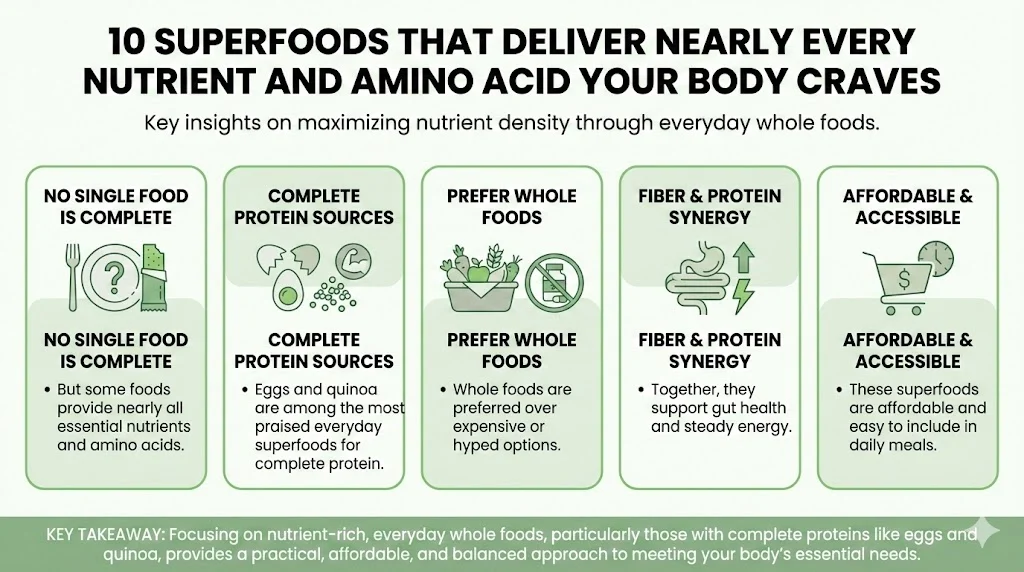
- No single food is fully complete but some foods provide nearly all essential nutrients and amino acids
- Eggs and quinoa are among the most praised everyday superfoods for complete protein
- Whole foods are preferred over expensive or hyped options
- Fiber and protein together support gut health and steady energy
- These superfoods are affordable and easy to include in daily meals
These foods stand out because they support muscle repair, brain health, immunity, digestion, and long lasting energy. Public opinion in recent years shows strong trust in simple and accessible foods instead of rare or costly items. The focus is now on real nutrition that works in daily life.

1) Eggs
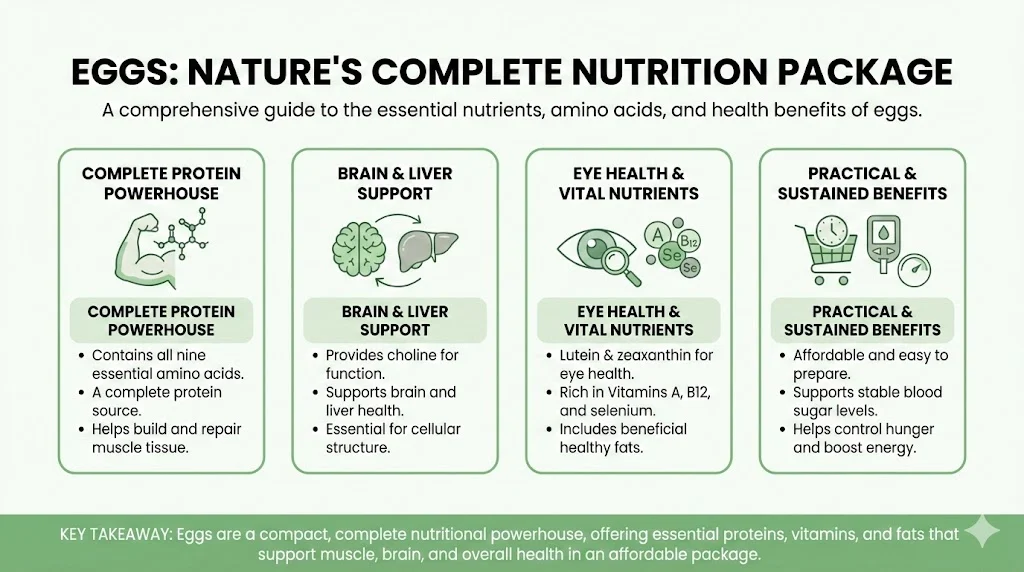
Eggs are often described as one of the most complete foods available. They contain all nine essential amino acids which makes them a complete protein source. This helps the body build and repair muscle tissue.
Eggs also provide choline which supports brain and liver function. They contain lutein and zeaxanthin which are linked to eye health. Vitamins A, B12, selenium, and healthy fats make eggs a compact nutrition package.
Many people value eggs because they are affordable and easy to prepare. They support stable blood sugar levels and help control hunger. Regular intake is associated with better energy and fullness.
2) Quinoa
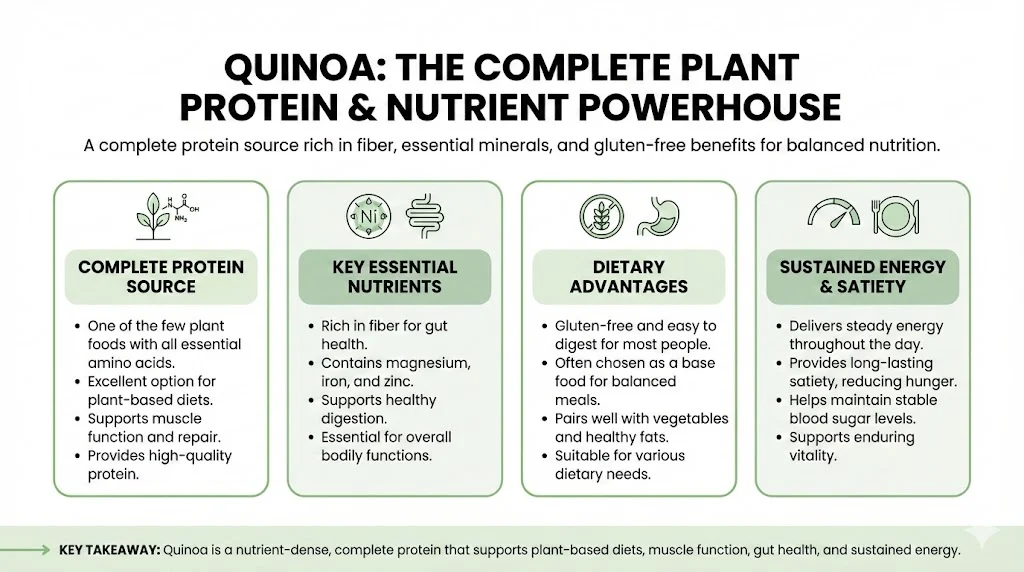
Quinoa is one of the few plant foods that contains all essential amino acids. This makes it a complete protein and a strong option for plant based diets.
It also offers fiber, magnesium, iron, and zinc. Quinoa is gluten free and easy to digest for most people. It supports muscle function and gut health at the same time.
Quinoa is often chosen as a base food for balanced meals because it pairs well with vegetables and healthy fats. It delivers steady energy and long lasting satiety.
3) Soy & Tofu
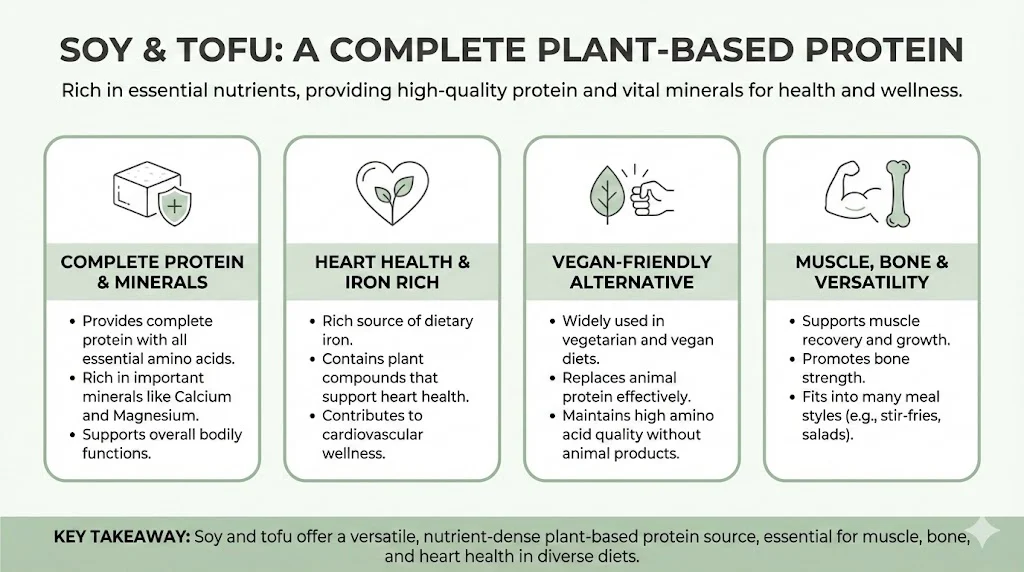
Soy based foods such as tofu provide complete protein and important minerals like calcium and magnesium. They contain all essential amino acids in useful amounts.
Tofu is also rich in iron and plant compounds that support heart health. It is widely used in vegetarian and vegan diets because it replaces animal protein without losing amino acid quality.
This food supports muscle recovery and bone strength. It also fits into many meal styles such as stir fries and salads.
4) Leafy Green Vegetables
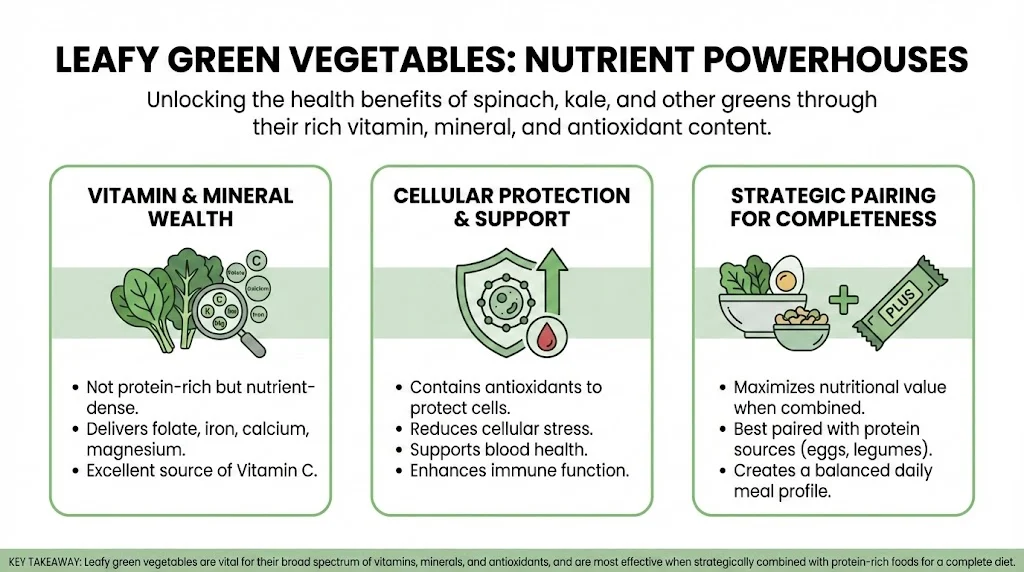
Leafy greens such as spinach and kale are not protein rich but they deliver a wide range of vitamins and minerals. These include folate, iron, calcium, magnesium, and vitamin C.
They also contain antioxidants that help protect cells from stress. These nutrients support blood health and immune function.
Leafy greens work best when combined with protein foods like eggs or legumes. This creates a more complete nutrition profile for daily meals.
5) Lentils & Legumes
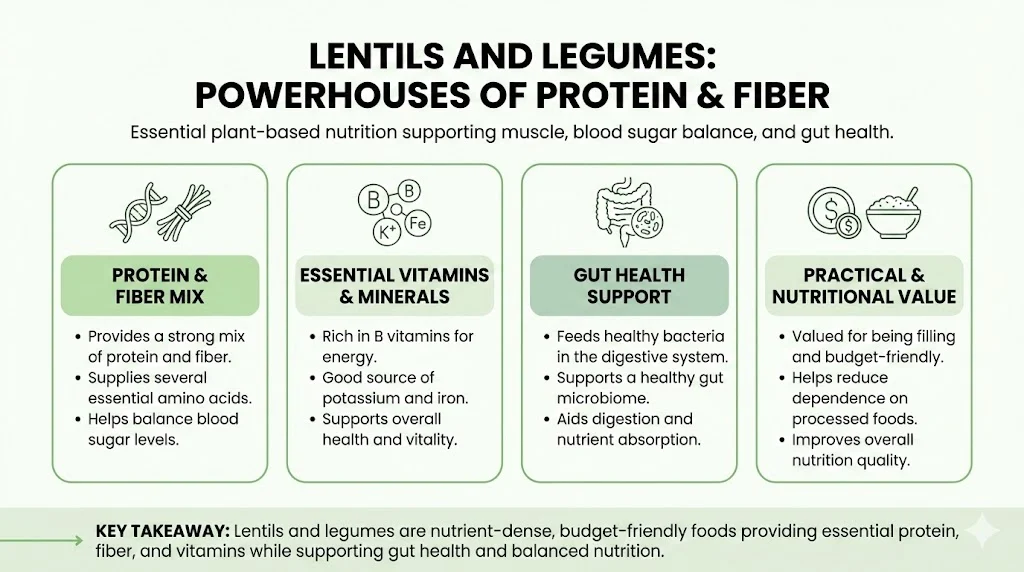
Lentils and beans provide a strong mix of protein and fiber. They supply several essential amino acids and help balance blood sugar levels.
They are rich in B vitamins, potassium, and iron. Legumes also support gut health by feeding healthy bacteria in the digestive system.
These foods are valued for being filling and budget friendly. They help reduce dependence on processed foods while improving nutrition quality.
6) Nuts & Seeds
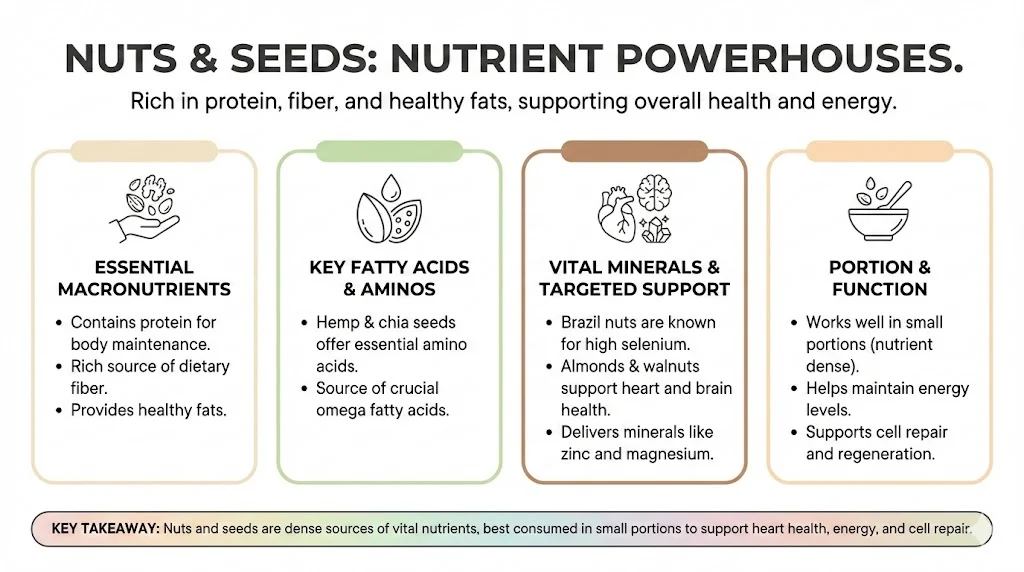
Nuts and seeds contain protein, fiber, and healthy fats. Some types such as hemp seeds and chia seeds provide essential amino acids and omega fatty acids.
Brazil nuts are known for selenium content. Almonds and walnuts support heart and brain health. These foods also deliver minerals like zinc and magnesium.
Nuts and seeds work well as small portions because they are nutrient dense. They help maintain energy and support cell repair.
7) Sweet Potatoes
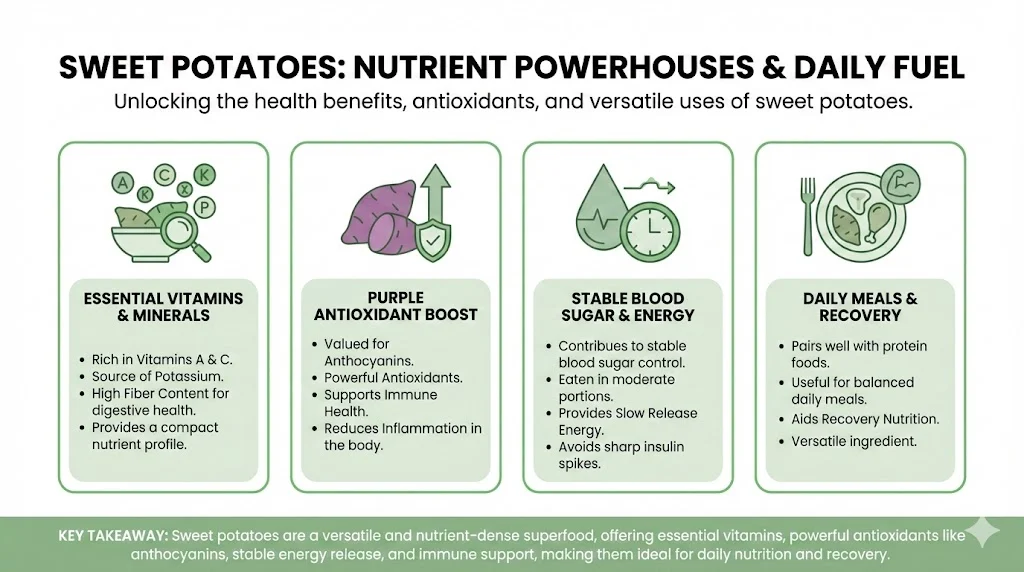
Sweet potatoes provide vitamins A and C along with potassium and fiber. Purple sweet potatoes are valued for antioxidants known as anthocyanins.
They help support immune health and reduce inflammation in the body. Sweet potatoes also contribute to stable blood sugar control when eaten in moderate portions.
They pair well with protein foods and provide slow release energy. This makes them useful for daily meals and recovery nutrition.
8) Berries
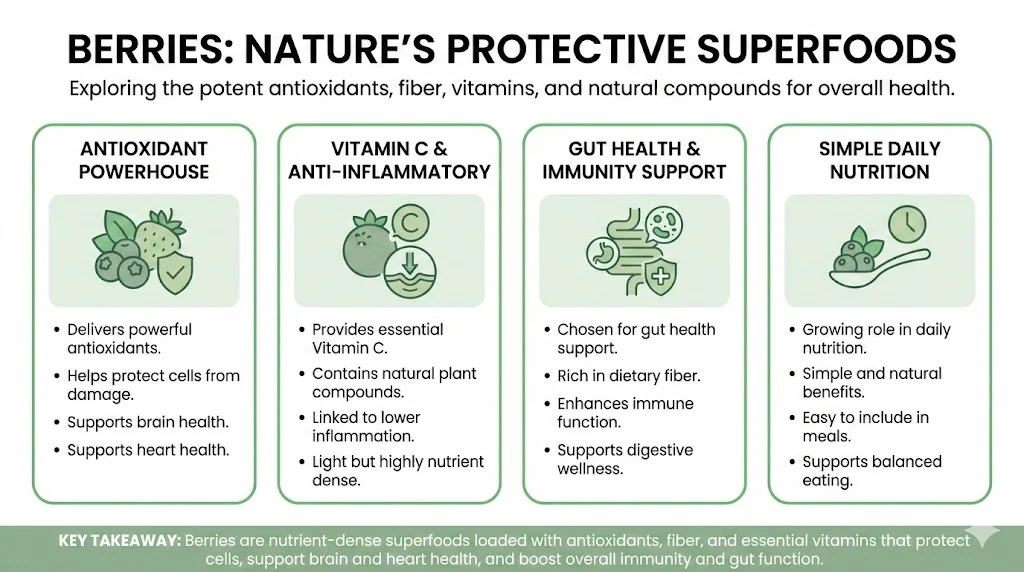
Berries such as blueberries and strawberries deliver antioxidants and fiber. They help protect cells from damage and support brain and heart health.
They also provide vitamin C and natural plant compounds linked to lower inflammation. Berries are light but highly nutrient dense.
They are often chosen for gut health and immune support. Their role in daily nutrition is growing due to their simple and natural benefits.
9) Avocados
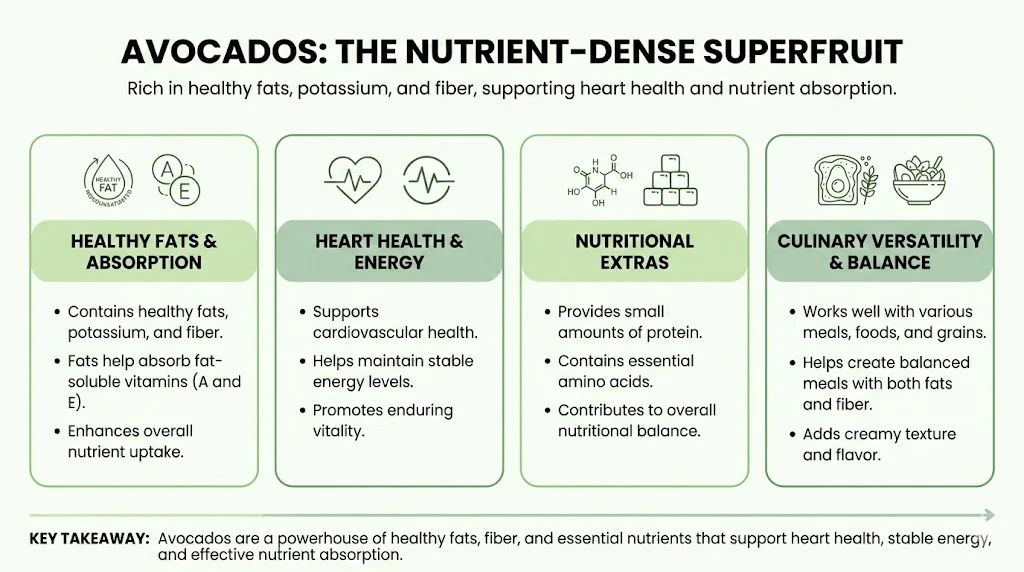
Avocados contain healthy fats along with potassium and fiber. These fats help the body absorb fat soluble vitamins like A and E.
They support heart health and help maintain stable energy levels. Avocados also provide small amounts of protein and amino acids.
This fruit works well with mealscT foods and grains. It helps create balanced meals with both fats and fiber.
10) Spirulina Or Moringa
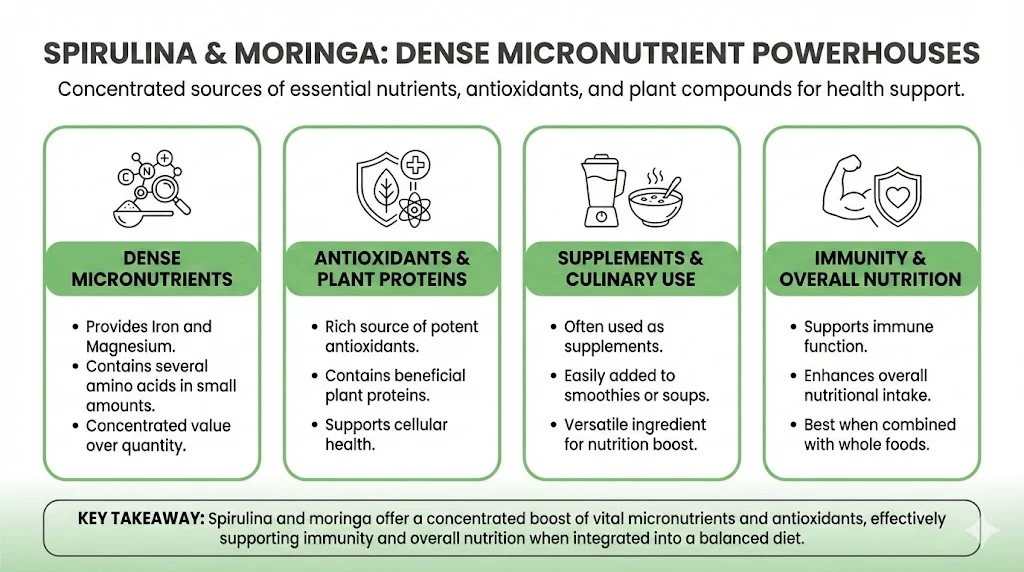
Spirulina and moringa are known for their dense micronutrient content. They provide iron, magnesium, and several amino acids in small amounts.
They also contain antioxidants and plant proteins. These foods are often used as supplements but can be added to smoothies or soups.
They support immunity and overall nutrition when combined with whole foods. Their value comes from concentration rather than quantity.
11) Amaranth
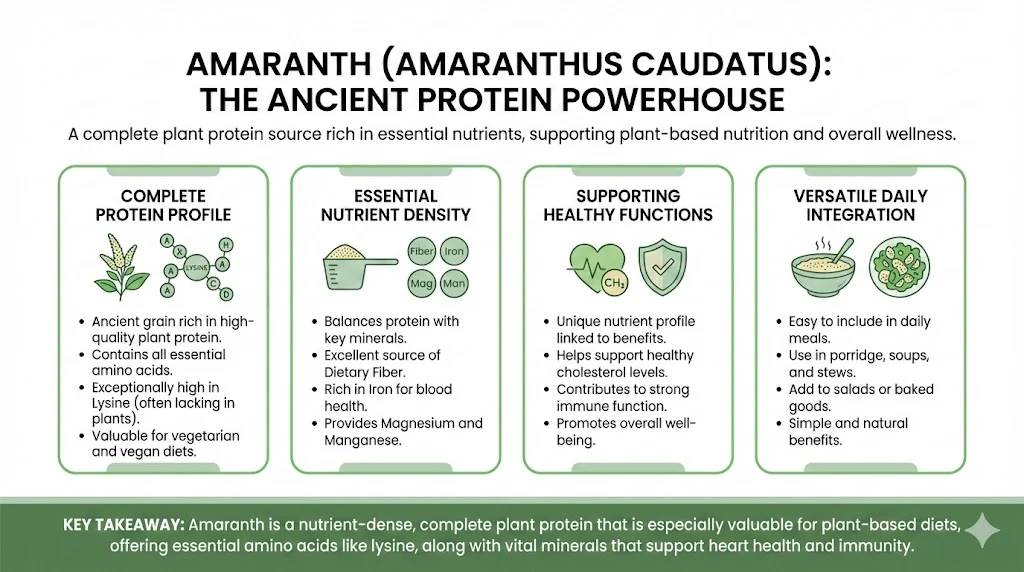
(Amaranthus caudatus) is an ancient grain that is especially rich in high-quality plant protein with essential amino acids such as lysine, which many plant proteins lack.
This makes amaranth especially valuable for people who rely on plant-based nutrition like vegetarians and vegans because it helps balance protein intake alongside fiber, iron, magnesium and manganese. Its unique nutrient profile also connects it to potential benefits in supporting healthy cholesterol levels and immune function.
12) Wild Edible Mushrooms
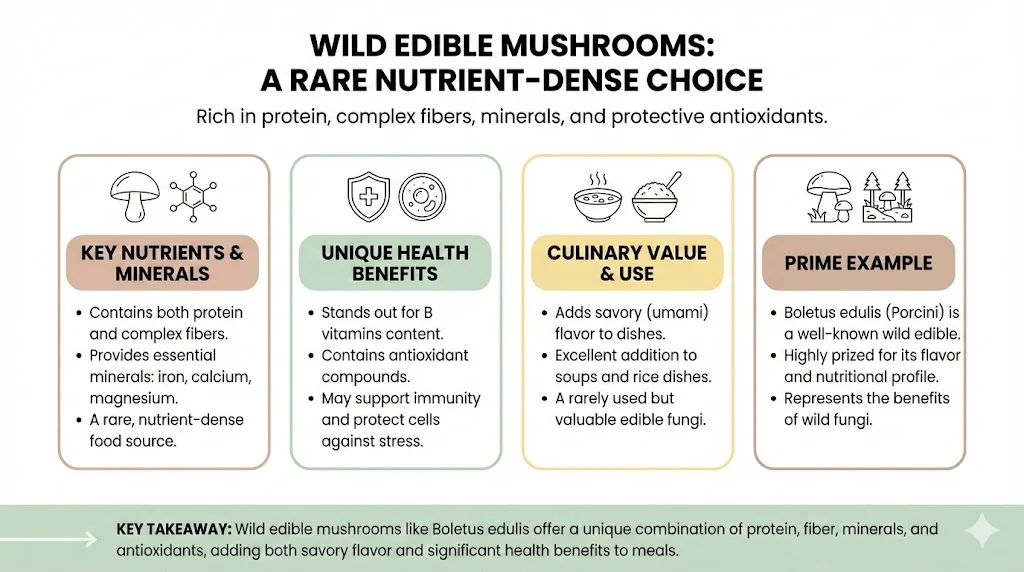
Wild edible mushrooms like Boletus edulis are another rare nutrient-dense choice. These mushrooms contain both protein and complex fibers along with minerals like iron, calcium and magnesium.
Wild mushrooms stand out because they also contain B vitamins and antioxidant compounds that may support immunity and protect cells against stress. As a rarely used edible fungi, they add both savory flavor and health benefits to soups and rice dishes.
13) Gynura Bicolor
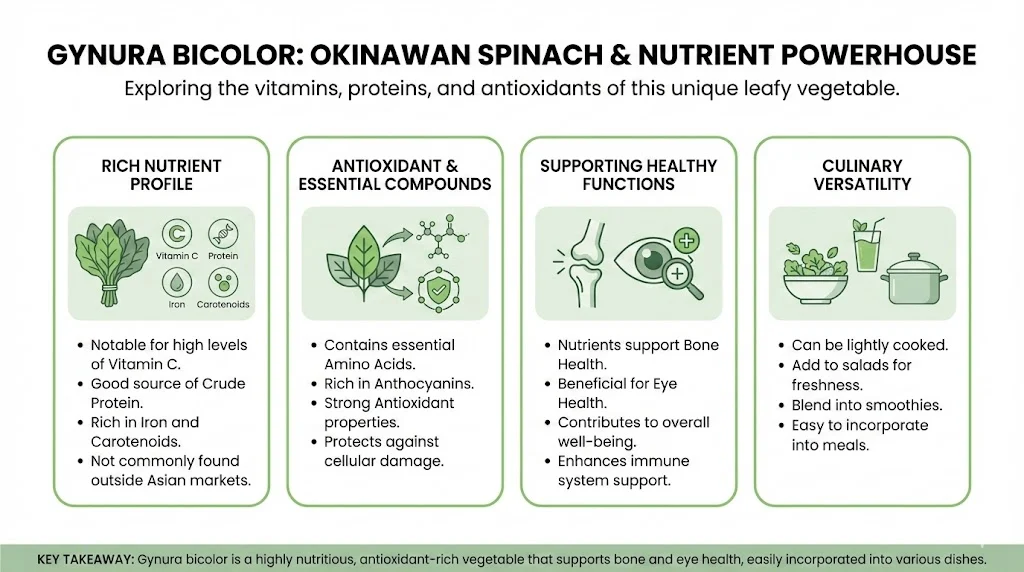
Gynura bicolor, often called Okinawan spinach, is a leafy vegetable not commonly found outside Asian markets. It is notable for high levels of vitamin C, crude protein, iron and carotenoids.
The leaves also contain essential amino acids and anthocyanins, plant compounds known for their strong antioxidant properties. This vegetable can be lightly cooked or added to salads and smoothies, providing nutrients that support bone and eye health.
14) Duckweed
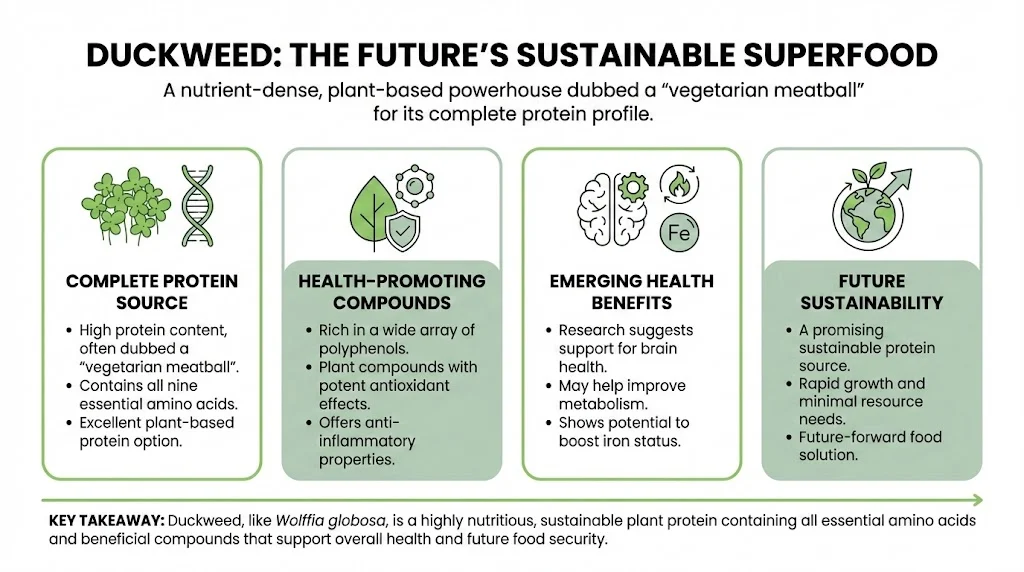
Duckweed species such as Wolffia globosa sometimes dubbed a “vegetarian meatball” due to its high protein content contain all nine essential amino acids and a wide array of polyphenols, plant compounds with antioxidant and anti-inflammatory effects. Research and recent trends show they may support brain health, metabolism and even iron status, making them a promising sustainable protein source for the future.
15) Black Sesame Seeds
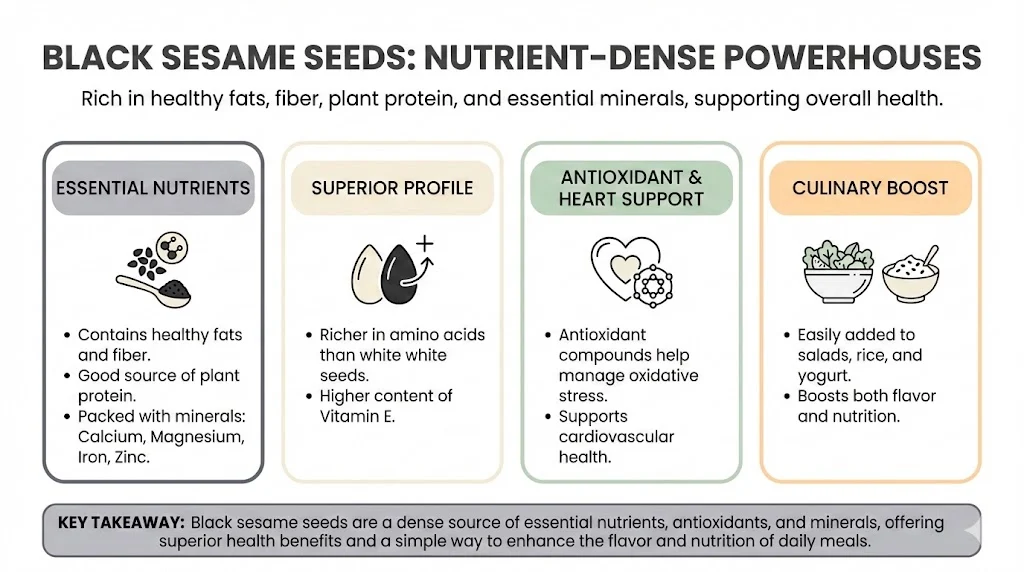
Black sesame seeds are small but nutrient packed, containing healthy fats, fiber, plant protein and essential minerals like calcium, magnesium, iron and zinc. They are richer in amino acids and vitamin E compared to white sesame seeds, and their antioxidant compounds may help manage oxidative stress and support heart health. Adding black sesame seeds to salads, rice or yogurt can boost both flavor and nutrition.
16) Fonio
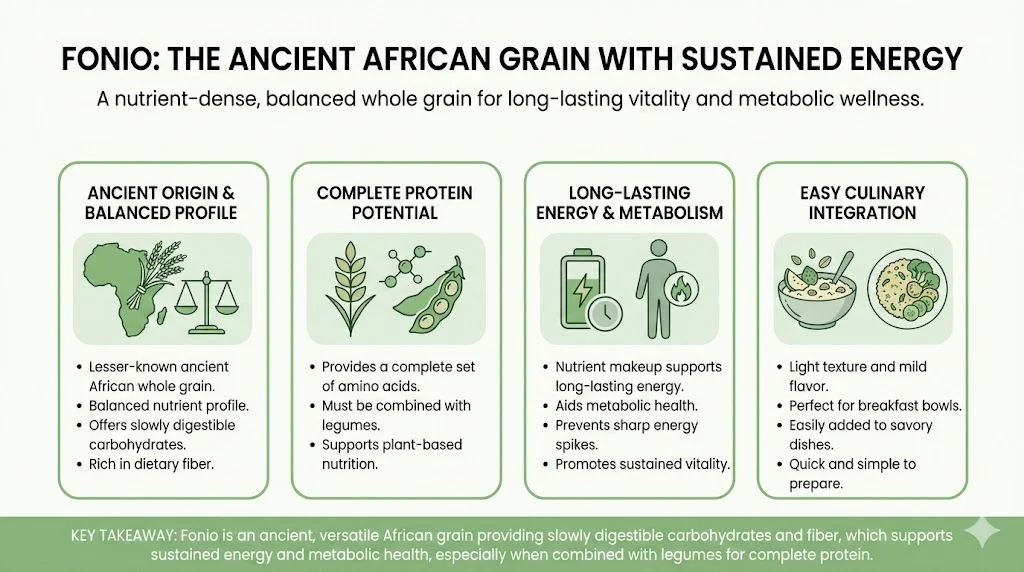
Fonio, an ancient African grain, is another lesser-known whole grain with a balanced nutrient profile. It offers slowly digestible carbohydrates, fiber and a complete set of amino acids when combined with legumes. Fonio’s light texture and mild flavor make it an easy grain to include in breakfast bowls or savory dishes, while its nutrient makeup supports long-lasting energy and metabolic health.
17) Sorghum
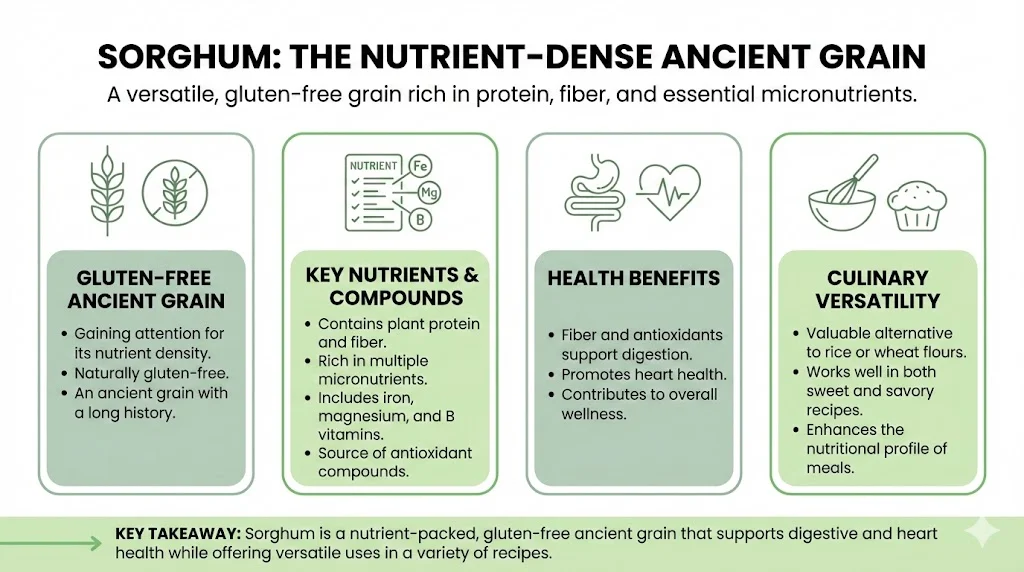
Sorghum is a gluten-free ancient grain that is gaining attention for its nutrient density. It contains plant protein, fiber and multiple micronutrients such as iron, magnesium and B vitamins. Sorghum’s antioxidant compounds and fiber support digestion and heart health, and its protein makes it a valuable alternative to rice or wheat flours in both sweet and savory recipes.
18) Ahipa
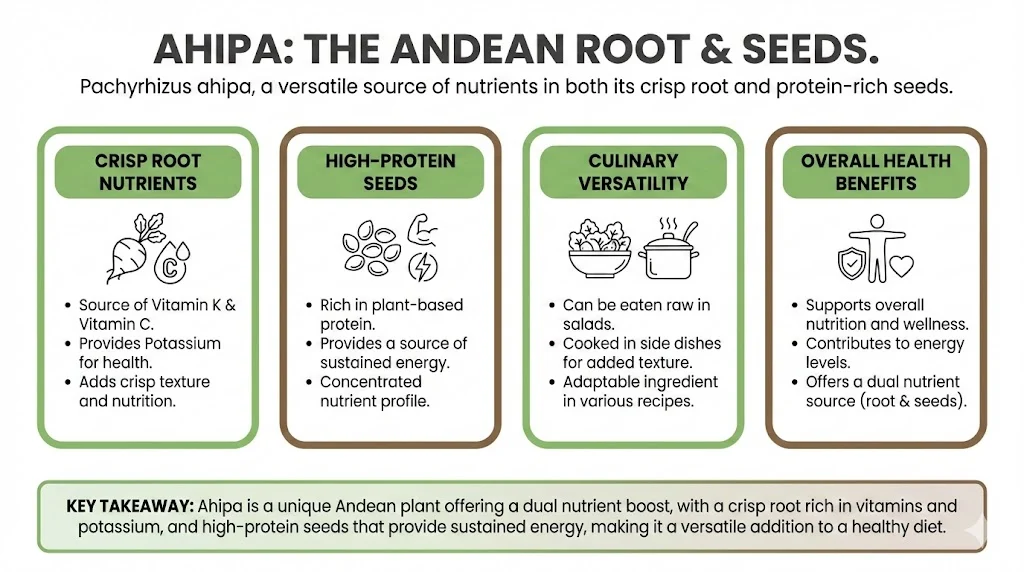
Ahipa, an Andean root also known as Pachyrhizus ahipa, contains a surprising amount of nutrients in both its crisp root and seeds. The root offers vitamin K and vitamin C along with potassium, while the seeds are high in protein and provide a source of plant-derived energy. This root can be eaten raw or cooked, adding texture and nutrition in salads and side dishes.
19) Turnips
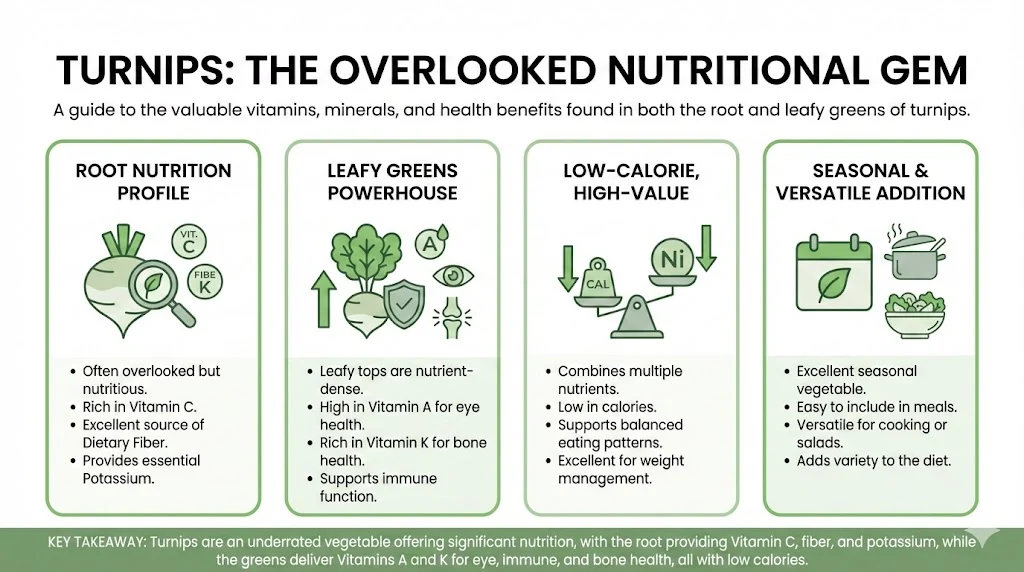
Finally, turnips and their greens are often overlooked but offer meaningful nutrition. They contain vitamin C, fiber and potassium in the root, while the leafy tops provide vitamins A and K which support eye, immune and bone health. These humble vegetables combine multiple nutrients with low calories, making them an excellent seasonal addition to balanced eating patterns.
Why These Foods Matter Together?
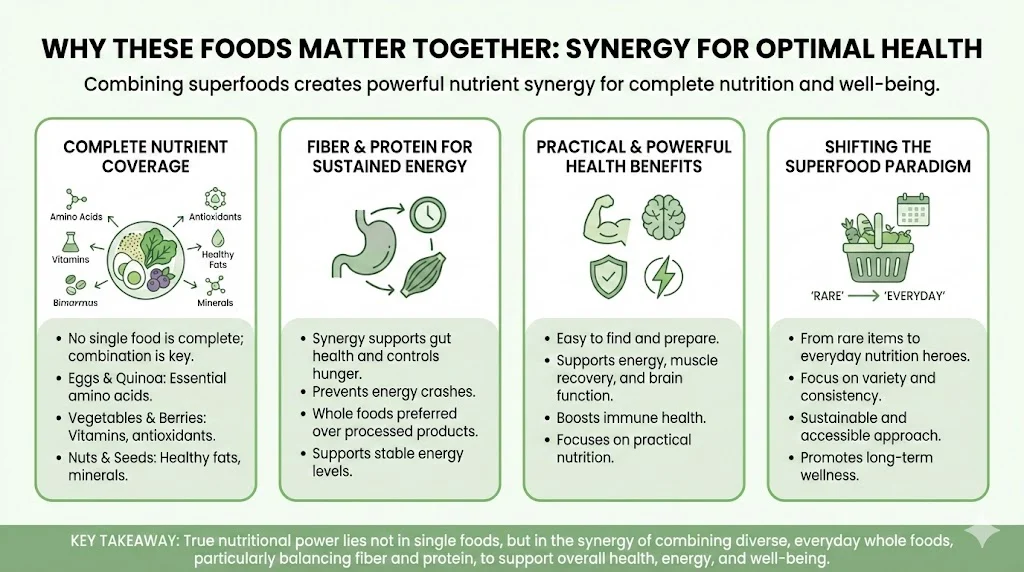
No food alone can deliver every nutrient in perfect form. These superfoods work best when combined in daily meals. Eggs and quinoa cover amino acids. Vegetables and berries provide vitamins and antioxidants. Nuts and seeds add healthy fats and minerals.
Recent trends focus on fiber and protein together. This supports gut health and helps control hunger. Whole foods are now preferred over processed products and expensive items.
People now choose practical nutrition. These foods are easy to find and easy to prepare. They support energy, muscle recovery, brain function, and immune health.
The idea of superfoods is shifting from rare items to everyday nutrition heroes. What matters most is variety and consistency.
Final Thoughts On Superfoods
The body needs essential amino acids and a wide range of nutrients to function properly. While no single food can meet every requirement, these ten superfoods come close by offering balanced nutrition in natural form.
They are trusted because they work in real life. They are affordable and accessible. They support long term health without relying on supplements or processed foods.
Eating a mix of these foods each week helps meet daily nutrient needs and supports overall wellness. The focus should remain on whole foods that deliver what the body truly craves.
Tags: superfoods, essential amino acids, complete protein foods, nutrient dense diet, healthy eating, whole foods