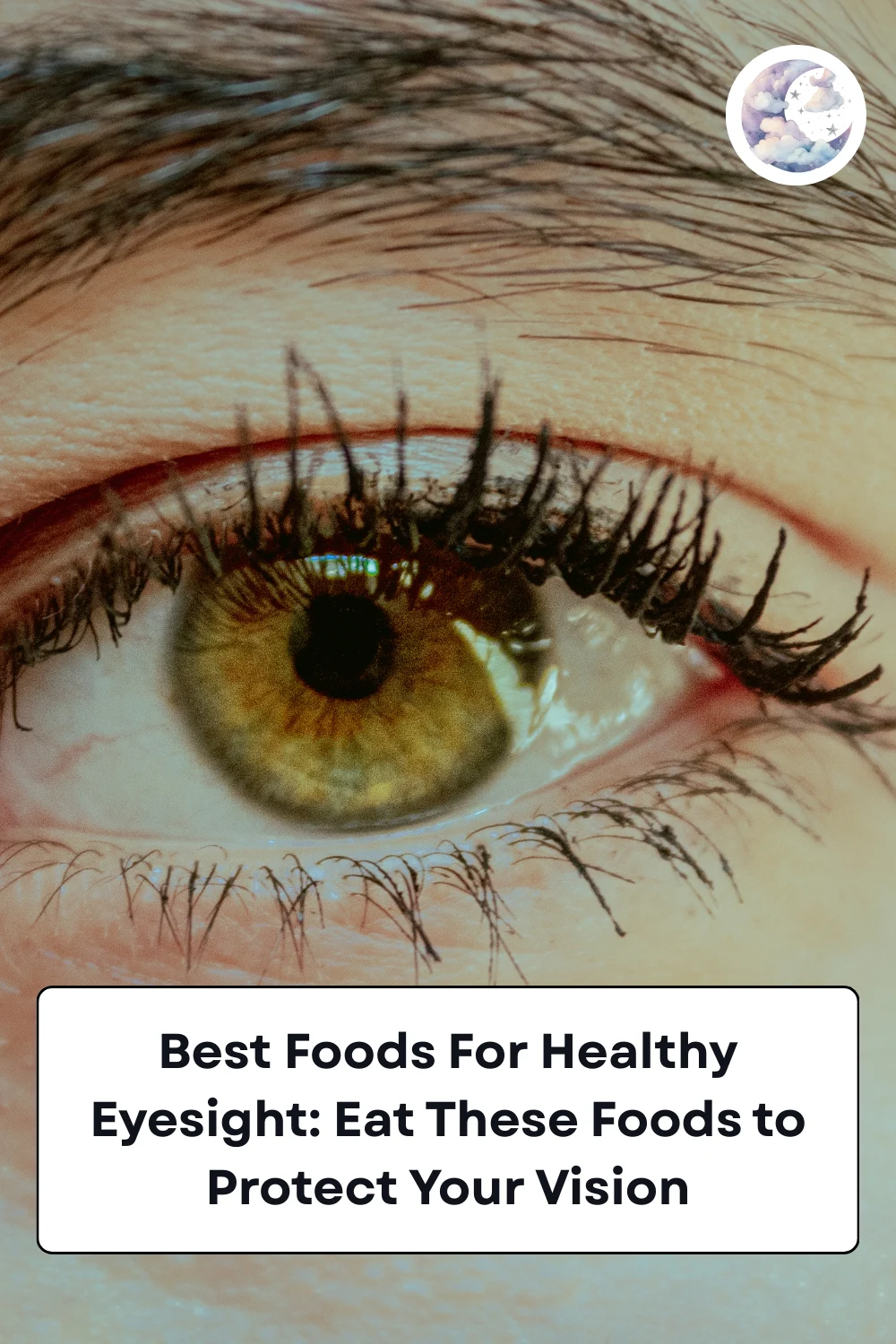
The importance of eye health has increased in recent years due to longer screen time and rising age related vision problems. People are now paying attention to foods that naturally support eyesight and protect the eyes from daily strain and long term damage. Nutrition plays a major role in keeping the retina healthy and reducing the risk of vision decline.
Modern research and public health discussions in 2025 and 2026 highlight the value of whole foods that contain vitamins A, C, E, lutein, zeaxanthin, and omega 3 fatty acids. These nutrients help defend eye cells from oxidative stress and support clear vision throughout life.
Table of Contents

Key Takeaways
- Leafy greens and colorful fruits protect eyes from blue light and aging damage.
- Egg yolks and fatty fish provide essential nutrients for retinal health.
- Nuts and seeds support moisture and reduce eye dryness.
- Whole foods work better than supplements for daily eye care.
- Balanced eating habits help prevent long term vision problems.
Why Nutrition Matters For Healthy Eyesight?
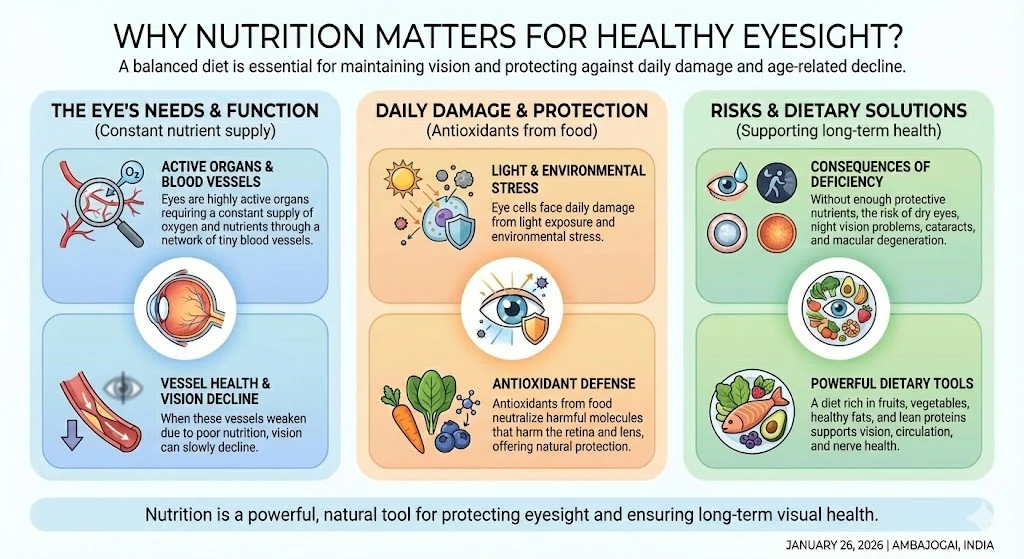
The eyes are among the most active organs in the body. They depend on a constant supply of oxygen and nutrients delivered through tiny blood vessels. When these vessels weaken, vision can slowly decline.
Every day, eye cells face damage from light exposure and environmental stress. Antioxidants from food help neutralize harmful molecules that harm the retina and lens. Without enough protective nutrients, the risk of dry eyes, night vision problems, cataracts, and macular degeneration increases.
A diet rich in fruits, vegetables, healthy fats, and lean proteins supports not only vision but overall circulation and nerve health. This makes food a powerful tool for protecting eyesight naturally.
Essential Nutrients for Eye Health
Certain nutrients appear repeatedly in studies and public discussions about vision care. These include vitamin A for night vision, vitamin C for blood vessel strength, vitamin E for cell protection, lutein and zeaxanthin for filtering blue light, and omega 3 fatty acids for moisture and inflammation control.
Foods that combine several of these nutrients provide stronger protection than isolated supplements. Whole foods also improve absorption and reduce the risk of imbalance.
10 Best Foods for Healthy Eyesight
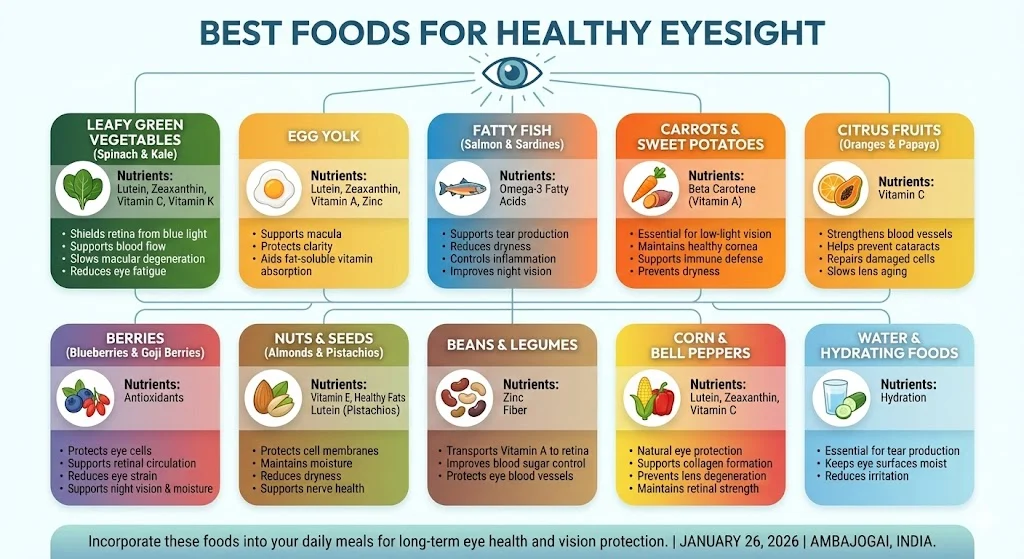
Below is one focused list of the most effective foods for maintaining and protecting eyesight. These foods are easy to include in daily meals and offer long term benefits.
- Leafy Green Vegetables (Spinach and Kale): Leafy greens are among the strongest protectors of vision. They contain lutein and zeaxanthin which help shield the retina from harmful blue light and oxidative stress. These vegetables also provide vitamin C and vitamin K which support blood flow to the eyes. Regular intake helps slow age related macular degeneration and reduces eye fatigue from screens.
- Egg Yolk: Egg yolks are rich in lutein, zeaxanthin, vitamin A, and zinc. These nutrients work together to support the macula and protect vision clarity. Many people avoid yolks, but most eye related nutrients are found in the yellow portion. Egg yolks also help the body absorb fat soluble vitamins that benefit the retina.
- Fatty Fish (Salmon and Sardines): Fatty fish provide omega 3 fatty acids that support tear production and reduce dryness. They also help control inflammation inside eye tissues. Regular fish intake is linked with lower risk of retinal damage and improved night vision. Omega 3 fats also support brain and nerve function, which connects directly to visual signals.
- Carrots and Sweet Potatoes: These orange colored vegetables contain beta carotene which converts into vitamin A in the body. Vitamin A is essential for seeing in low light and maintaining a healthy cornea. Carrots and sweet potatoes also support immune defense and help prevent dryness of the eyes.
- Citrus Fruits (Oranges and Papaya): Citrus fruits are rich in vitamin C which strengthens blood vessels in the eyes and helps prevent cataracts. Vitamin C also repairs damaged cells and slows aging of the lens. Regular intake supports long term eye clarity and reduces oxidative damage from sunlight.
- Berries (Blueberries and Goji Berries): Berries are high in antioxidants that protect eye cells from free radical damage. Blueberries support blood circulation in the retina and help reduce eye strain. Goji berries provide nutrients that support night vision and eye moisture. These fruits also help slow age related vision decline.
- Nuts and Seeds (Almonds and Pistachios): Nuts and seeds contain vitamin E and healthy fats that protect cell membranes in the eyes. Pistachios are especially noted for high lutein content. Almonds help maintain moisture and reduce dryness. These foods also support nerve health which improves signal transmission from eyes to brain.
- Beans and Legumes: Beans are rich in zinc and fiber. Zinc helps transport vitamin A from the liver to the retina where it is used for visual pigments. Legumes also improve blood sugar control which protects eye blood vessels from damage caused by diabetes.
- Corn and Bell Peppers: Corn contains natural eye protective compounds including lutein and zeaxanthin. Bell peppers are high in vitamin C and support collagen formation in eye tissues. These foods help prevent degeneration of the lens and maintain retinal strength.
- Water and Hydrating Foods: Hydration is essential for tear production and comfort. Dry eyes often worsen when the body lacks fluids. Fruits and vegetables with high water content help keep eye surfaces moist and reduce irritation.
How These Foods Protect Against Screen Damage
Long screen exposure increases blue light stress and eye fatigue. Lutein and zeaxanthin act as natural filters that reduce light damage. Omega 3 fats improve lubrication and reduce burning sensations. Vitamin C and E repair oxidative injury caused by long work hours.
These foods do not cure vision disorders but support daily defense and recovery.
Public Opinion and Recent Trends (Data Taken From X)
Public discussions in 2025 and 2026 show strong trust in natural food based eye care. Many people highlight egg yolks as a complete eye nutrient source. Others focus on leafy greens and fatty fish as core daily foods.
There is growing awareness that supplements cannot replace balanced diets. Most users view food as a preventive habit rather than a cure. Juice combinations like carrot ginger lime are becoming popular for quick nutrient intake.
New attention has also turned to pistachios and corn for their lutein content. This shows a shift from single foods like carrots toward broader dietary patterns.
Limitations & Realistic Expectations
No food can reverse advanced eye diseases like cataracts or glaucoma. Medical care remains necessary for serious conditions. Nutrition supports prevention and slows progression but does not replace treatment.
Moderation is important. Extremely high intake of one food does not guarantee better vision. Variety ensures balanced nutrient delivery and reduces digestive issues.
Daily Eating Habits for Eye Protection
Simple habits can improve results:
- Add leafy greens to meals daily
- Include eggs several times per week
- Eat fatty fish two times weekly
- Snack on nuts and berries
- Drink enough water
- Choose colorful fruits and vegetables
These habits build a steady supply of protective nutrients.
Final Thoughts
Healthy eyesight depends strongly on nutrition. Foods rich in vitamins A, C, E, lutein, zeaxanthin, and omega 3 fats help defend the eyes from aging and daily stress. Leafy greens, eggs, fish, fruits, nuts, and beans form the foundation of eye friendly diets.
Public opinion supports these foods as safe, natural, and practical tools for long term vision care. When combined with regular eye checkups and reduced screen strain, they offer a strong strategy for preserving eyesight throughout life.
Tags: eye health, healthy eyesight foods, vision nutrition, lutein rich foods, omega 3 for eyes, natural eye care