Sleep problems have become common across age groups, driven by stress, screen exposure, irregular routines, and mental overload. Many people struggle to fall asleep or stay asleep despite feeling tired at night. As interest in natural and sustainable wellness solutions grows, yoga for good sleep is gaining attention as a simple and effective option.
Recent discussions and wellness data from 2025 and 2026 show strong public support for yoga as a sleep aid. People across social platforms share real experiences of improved sleep quality, calmer minds, and better nightly routines. Research and user feedback together suggest that short, focused yoga sessions can help the body and mind settle into deeper and more restorative sleep.
Table of Contents
Key Takeaways
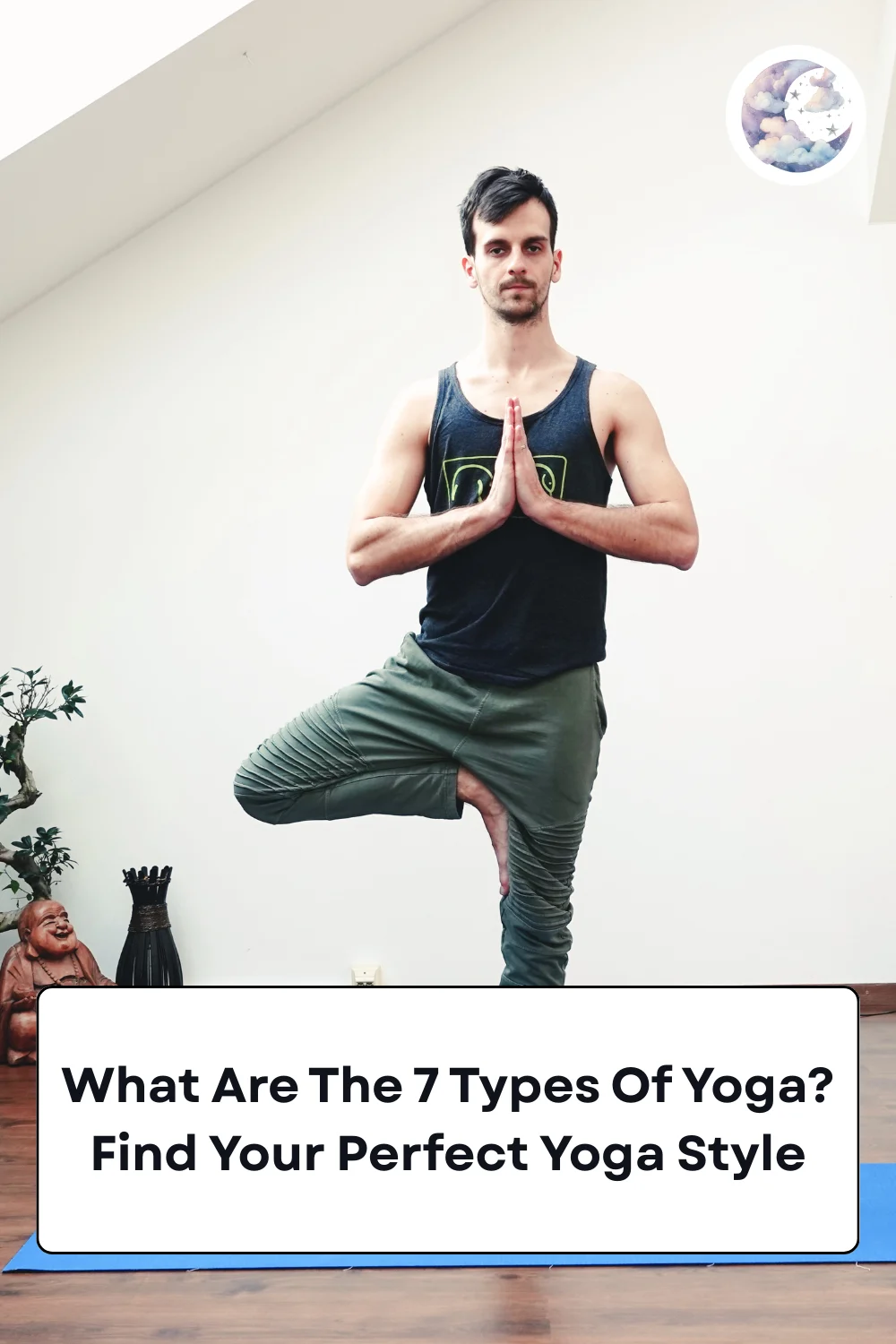
- Yoga helps improve sleep quality without medication
- Short evening sessions under 30 minutes show strong results
- Gentle styles like restorative and yin yoga work best at night
- Yoga supports relaxation, stress control, and mental calm
- Yoga Nidra and somatic practices help on poor sleep days
Why Yoga Helps Improve Sleep Quality
Yoga works on both physical tension and mental restlessness. Sleep issues often begin with an overactive nervous system. When the body stays in alert mode, falling asleep becomes difficult. Yoga encourages the nervous system to slow down and shift into a rest-focused state.
Breathing techniques used in yoga help reduce cortisol levels, which are linked to stress and anxiety. Slow movement and long-held poses signal safety to the brain. This helps the body move from a fight response to a rest response. Over time, this pattern improves how quickly a person falls asleep and how deeply they rest.
Unlike high-impact workouts, yoga does not overstimulate the body before bed. This makes it suitable for evening routines. Many people report fewer night awakenings and improved sleep efficiency after regular practice.
What Recent Data Says About Yoga and Sleep
Fresh wellness data from late 2025 and early 2026 highlights yoga as one of the top natural methods to manage insomnia. Several studies shared online show that yoga can outperform aerobic and resistance exercises when it comes to sleep outcomes.
High intensity or short yoga sessions done twice a week are trending. These sessions often last under 30 minutes and focus on breath control and controlled movement. Research data shared on social platforms suggests improvements such as:
- Increase in total sleep time by up to nearly 2 hours
- Reduced time needed to fall asleep
- Lower wake time during the night
- Better overall sleep efficiency
At the same time, gentle styles continue to receive praise for night use. Many users prefer floor-based yoga with long holds and slow breathing to unwind after stressful days.
Restorative and Yin Yoga for Nighttime Use
Restorative and yin yoga are especially popular for bedtime routines. These styles focus on stillness rather than movement. Poses are held for longer periods, often between 2 to 5 minutes, allowing the body to fully relax.
People practicing yin yoga in bed often report falling asleep during or shortly after sessions. This style helps release tension from hips, lower back, and spine, which are common areas of stress accumulation.
Another benefit is nervous system regulation. Long holds combined with slow breathing stimulate the parasympathetic system. This promotes a calm and heavy body feeling that supports sleep onset.
Yoga Nidra and Somatic Practices
Yoga Nidra, also known as non sleep deep rest, is gaining strong traction in sleep-focused routines. It is a guided practice done while lying down. The goal is not physical movement but deep mental relaxation.
Many people use Yoga Nidra on days when sleep was poor the night before. Even short sessions help reduce fatigue and mental fog. Users report feeling relaxed yet alert afterward, which helps regulate sleep later at night.
Somatic yoga practices are also trending. These focus on gentle movements and awareness to release stored stress. They are often combined with breathwork aimed at the vagus nerve. This approach helps reduce stress responses and supports emotional balance, which plays a role in sleep quality.
Popular Bedtime Yoga Poses for Better Sleep
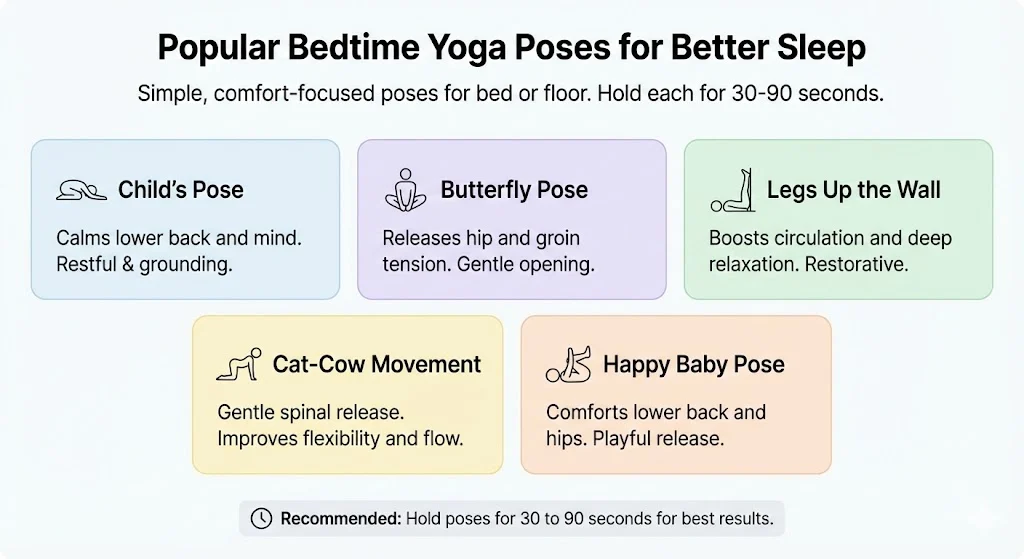
Most people prefer simple poses that can be done on the bed or floor. These poses focus on comfort rather than stretch depth. Based on current trends and shared experiences, the following pose group is widely used.
- Child’s pose
This pose helps relax the lower back and slows mental activity. It encourages a sense of safety and calm before sleep. - Butterfly pose
Butterfly pose gently opens the hips and releases stored tension. It is commonly used to reduce restlessness. - Legs up the wall
This position supports circulation and signals the nervous system to relax. It is often practiced at the end of the routine. - Cat cow movement
Slow spinal movement helps release stiffness from sitting or screen use. Breathing with the motion enhances relaxation. - Happy baby pose
This pose eases lower back pressure and encourages deep breathing. It is especially helpful after a long day.
How Short Yoga Sessions Fit Busy Lifestyles
One reason yoga for good sleep is widely adopted is simplicity. No equipment is required. Sessions can be done in small spaces and even on the bed. Many people complete their routine in under 20 minutes.
Short sessions are especially popular among working professionals, parents, and older adults. High intensity short yoga routines are also being explored, where focused sequences help release tension efficiently without causing stimulation.
People often combine yoga with other calming habits such as warm showers, calming music, or fixed bedtime schedules. This combination improves results and builds a consistent sleep rhythm.
Yoga and Mental Health Connection
Sleep and mental health are closely linked. Many people struggling with anxiety or racing thoughts report benefits from yoga. Slow breathing helps control thought loops and mental noise at night.
Users with attention-related sleep issues report better ability to settle down after yoga practice. Pregnant individuals and older adults also report improvements in comfort and energy levels through gentle routines designed for sleep support.
This growing integration with mental health routines has expanded yoga’s role beyond physical wellness. It is now part of stress management and emotional regulation practices tied to better sleep.
Yoga in Modern Wellness Trends
In current wellness discussions, yoga is often linked to sleepmaxxing, which focuses on maximizing sleep quality rather than just duration. Yoga fits well into this approach because it addresses both body and mind.
Tech guided yoga sessions are becoming common. AI guided routines and trauma informed yoga are helping people personalize their sleep practices. These trends reflect how yoga continues to adapt to modern needs.
Yoga is also being integrated into wellness events, veteran health programs, and prenatal care routines. This shows wider acceptance and trust in yoga as a reliable sleep aid.
How Often Should You Practice Yoga for Sleep
Consistency matters more than duration. Many users report benefits with just two sessions per week. Others prefer nightly short routines. What matters is choosing a style that does not overstimulate the body.
Gentle evening yoga can be done daily. More intense sessions are usually limited to a few times per week. Listening to the body is key. Comfort and relaxation should always be the goal before sleep.
Final Thoughts
Yoga for good sleep continues to gain strong support from both research and real user experiences. It offers a natural and accessible way to calm the body, quiet the mind, and improve sleep quality without dependency on medication.
Short sessions, restorative styles, and guided relaxation practices are especially effective for modern lifestyles. As interest in sleep focused wellness grows, yoga stands out as a simple and trusted solution for better nights and healthier days.
Tags: yoga for sleep, bedtime yoga, sleep wellness, natural sleep remedies, insomnia relief, yoga nidra