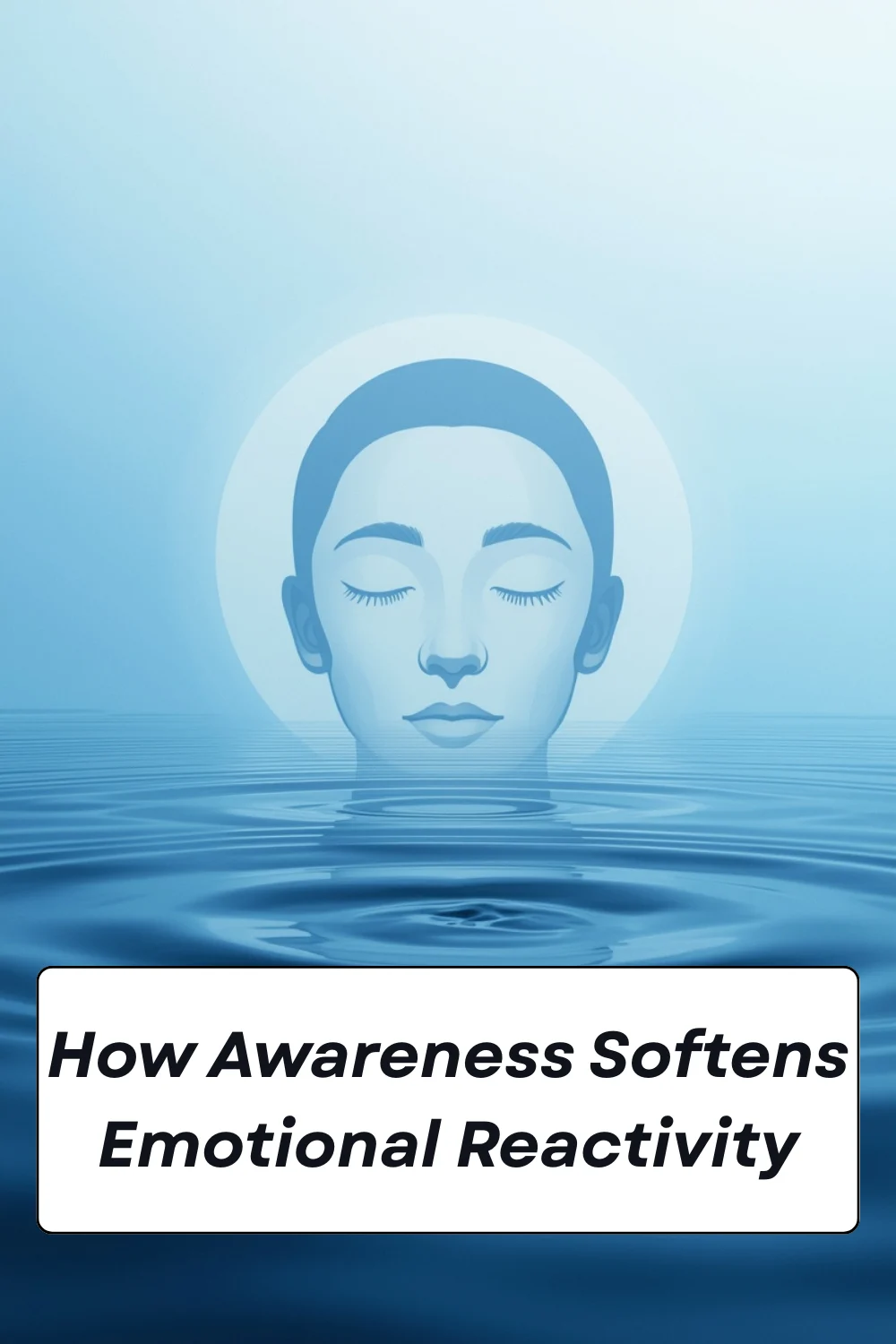
I have spent years working with people struggling with emotional reactivity and I can tell you this one truth. The moment you become aware of your emotions is when transformation begins.
Emotional reactivity is that instant flash of anger when someone criticizes you or the anxiety spike that hits during a stressful conversation. These automatic responses happen before you can even think and they often leave you feeling regretful later.
But here is what I have learned through my practice and teaching. Awareness creates a powerful pause between what triggers you and how you respond.
When I first started exploring emotional awareness I noticed something fascinating. My reactions were not really about the present moment at all. They were old patterns playing on repeat.
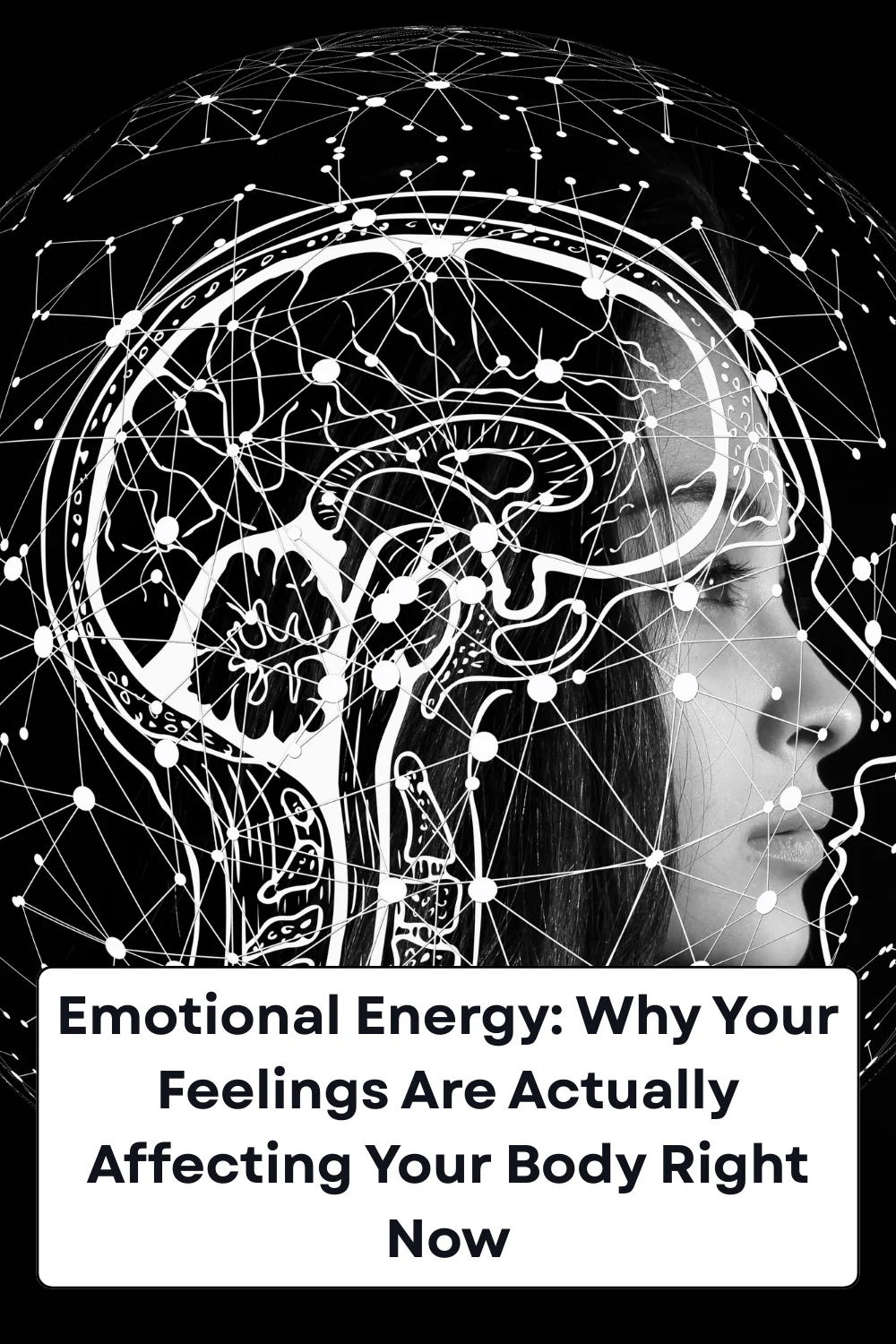
The brain’s amygdala acts like an alarm system that detects threats and pushes you into fight or flight mode instantly. This happens so fast that your rational mind does not get a chance to weigh in. But mindfulness and conscious observation can interrupt this automatic cycle.
Instead of being hijacked by emotions you learn to notice them label them and choose your response. This shift from reactivity to responsiveness changes everything. You still feel emotions but they lose their grip on you.
Key Takeaways
- Emotional reactivity stems from the amygdala triggering automatic fight or flight responses before rational thought can intervene
- Mindfulness practices physically rewire the brain by shrinking the amygdala and strengthening the prefrontal cortex
- Awareness creates a pause between triggers and responses allowing you to observe emotions without being controlled by them
- Regular practice reduces impulsivity speeds emotional recovery and builds greater compassion for yourself and others
- Simple techniques like breath awareness body scanning and noticing physical sensations can start transforming reactivity today

Understanding the Brain Science Behind Emotional Reactivity
The neuroscience behind emotional reactivity is remarkable. When I teach meditation I always explain how the brain physically changes with practice. Studies show that mindfulness meditation actually shrinks the amygdala.
Yes the physical size reduces and it becomes less reactive to emotional stimuli. At the same time your prefrontal cortex thickens and becomes more active. This is the part of your brain that handles planning impulse control and emotion regulation.
What happens next is even more interesting. The connections between your amygdala and prefrontal cortex improve. This means your rational brain can finally talk back to your emotional impulses. The result is you recover from negative emotions faster and respond with more clarity.
I have seen people transform after just eight weeks of regular mindfulness practice. The changes are not subtle. People report feeling less overwhelmed by emotions and more in control of their reactions.
Research shows these brain changes start appearing quickly. Even short mindfulness programs create noticeable shifts. Long term meditators show the most dramatic effects. Brief breath awareness exercises can reduce how strongly your amygdala reacts to negative situations. With longer practice your prefrontal cortex gets better at regulating emotions. This is not theory. This is measurable change happening in your brain.
How Awareness Changes Your Relationship with Emotions
I want to be clear about something important. Awareness does not eliminate emotions. That is not the goal and honestly it would not be healthy if it did. What awareness does is change how you relate to your feelings. Instead of treating emotions as commands that must be obeyed you start seeing them as temporary sensations. That tightness in your chest or rising heat in your face becomes information rather than a crisis.
This shift brings powerful benefits. First you become less impulsive. That pause I mentioned earlier prevents knee jerk reactions. You avoid saying things you will regret later. Second your emotions pass more quickly because you are not feeding them with rumination or trying to suppress them. Third you develop greater compassion for yourself and others. When you understand your own emotional patterns you naturally extend that understanding outward.
Many people describe this change as moving from being possessed by emotions to witnessing them. I experience this regularly now. An emotion arises and I notice it almost like watching a cloud pass in the sky. The emotion still happens but it does not take over my entire being. This is a key insight from mindfulness traditions and it matches perfectly with what modern neuroscience tells us.
Practical Steps to Build Emotional Awareness
Let me share what works based on my experience teaching and practicing. Start by noticing your triggers. What situations people or events consistently spark strong emotional reactions in you. Pay attention to the physical sensations that come with these triggers. Does your stomach tighten. Does your jaw clench. Does your breathing become shallow. These body signals often appear before your mind labels the emotion.
Once you recognize a trigger pause before responding. Even taking three deep breaths can create enough space to shift from reaction to response. During this pause feel what you are feeling without judgment. Notice the sensation in your body. Is it hot or cold. Tight or loose. Moving or still. Let the feeling be there without trying to fix it or push it away.
Another crucial step is interrupting your storyline. We all have narratives that fuel our emotions. Maybe you tell yourself someone disrespected you or that you are not good enough. These stories escalate emotions. When you catch yourself in a story simply label it as thinking and return to the present moment. Notice the physical sensation instead of the mental drama.
Finally practice self compassion through all of this. Place a hand on your heart. Remind yourself that feeling emotions is human and normal. You are not broken for having strong feelings. With regular practice these steps become more natural. What once felt overwhelming becomes manageable. You build the capacity to be with your emotions without being controlled by them.
Real World Benefits You Will Experience
The improvements from awareness practice show up in daily life quickly. I notice less conflict in my relationships because I respond thoughtfully instead of reacting defensively. When someone says something that used to trigger me I can now pause and consider their perspective. This creates space for understanding rather than argument.
Emotional recovery happens faster too. A situation that might have bothered me for days now passes in hours or even minutes. The emotion comes it peaks and it naturally dissolves when I do not feed it with repetitive thoughts. This faster recovery reduces overall stress and creates more mental clarity for important decisions.
People often tell me they feel more authentic in their interactions. When you are not constantly managing emotional reactions you have more energy for genuine connection. You can be present with others because you are not internally battling your own feelings. This presence deepens relationships and builds trust.
The physical benefits matter too. Lower stress levels improve sleep quality. Reduced rumination means less tension in your body. Many people report fewer headaches and less digestive discomfort as they learn to work with emotions skillfully. The mind and body are deeply connected and calming emotional reactivity supports overall wellbeing.
Starting Your Practice Today
You do not need hours of meditation to begin. Start with just a few minutes when you notice tension arising. Focus on your breath. Count to four as you inhale hold for two counts exhale for six counts. This simple practice activates your parasympathetic nervous system and creates a natural pause.
Body scan meditation is another accessible starting point. Sit comfortably and bring attention to different parts of your body from your toes to the crown of your head. Notice any sensations without trying to change them. This builds awareness of how emotions show up physically.
Throughout your day check in with yourself. Ask how am I feeling right now. Notice the answer without judgment. This regular checking in strengthens your awareness muscle. Over time you will catch emotional reactions earlier before they escalate.
Remember that transformation takes practice and patience. I still get caught in emotional reactivity sometimes. The difference is I recognize it faster and know how to work with it. Each time you practice awareness you are rewiring your brain and building new patterns. What once felt impossible becomes your natural way of being.
The journey from emotional reactivity to empowered response is deeply rewarding. You gain freedom from patterns that no longer serve you. You build resilience that helps you navigate life’s challenges with greater ease. Most importantly you discover a deeper sense of peace that comes from within regardless of external circumstances. This peace is available to you right now through the simple practice of awareness.
TAGS: emotional reactivity, mindfulness practice, emotional awareness, stress management, brain neuroplasticity, self-compassion, meditation techniques