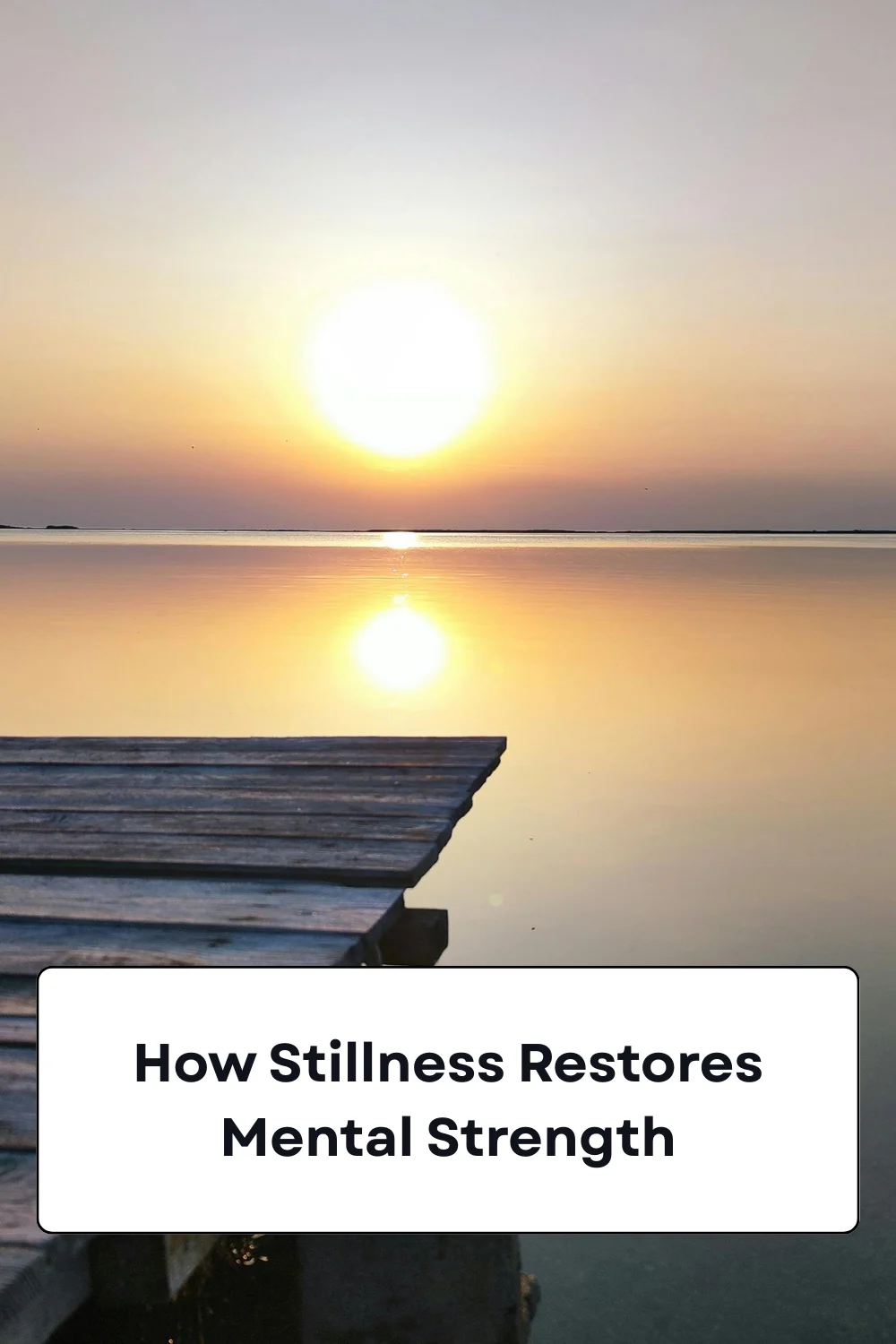
How stillness restores mental strength is something many people are discovering in 2025. In our fast-paced world where notifications never stop and to-do lists keep growing, finding quiet moments feels impossible. But stillness is not about doing nothing.
It is about creating space in your mind to breathe, think clearly, and rebuild your inner power. Modern life keeps us constantly moving, but our brains need rest to function properly. When you embrace stillness, you give your mind a chance to heal from stress and overwhelm.
Research shows that even brief periods of silence can lower stress hormones and improve focus. This simple practice is becoming popular because anyone can do it anywhere without special equipment or training. People are calling stillness their medicine for digital fatigue and burnout.
Key Takeaways
- Stillness actively rebuilds mental resilience by reducing stress hormones and calming the nervous system
- Brief quiet moments enhance focus, creativity, and problem-solving abilities by letting the brain consolidate experiences
- Practicing stillness develops emotional strength and helps prevent impulsive reactions during challenging situations
- Simple daily practices like mindful eating, pausing before activities, and tech-free time integrate stillness into busy schedules
- Stillness is not inactivity but an intentional tool for reconnecting with yourself and finding inner peace

Understanding Stillness as Active Healing
Many people think stillness means sitting frozen like a statue. That is not true. Real stillness is about creating an internal space where you can connect with yourself without judgment. It means observing your thoughts and feelings without getting swept away by them.
You can practice stillness while walking, eating, or even before starting your car. The key is bringing full awareness to the present moment. This state of inner calm allows your brain to process information more effectively.
Your nervous system shifts from fight or flight mode into rest and recovery. When constant stimulation surrounds you, your mind never gets a break to sort through experiences. Stillness provides that essential processing time. Think of it as hitting the reset button on your mental computer.
The Science Behind Mental Restoration
Our brains are not designed for constant input and multitasking. When you practice stillness, your parasympathetic nervous system activates. This is your body’s natural relaxation response. Cortisol levels drop and your heart rate slows down.
Blood pressure decreases and breathing becomes deeper. These physical changes create the perfect environment for mental healing. Your brain can finally consolidate memories and form new neural connections.
Problem-solving abilities improve because your mind has space to work through challenges. Many people report breakthrough ideas during moments of quiet reflection. This happens because stillness allows different parts of your brain to communicate better. Creative insights emerge when your mind is not racing from task to task.

Building Emotional Resilience Through Quiet
Emotional strength comes from learning to sit with uncomfortable feelings. When something upsets you, the natural reaction is to respond immediately. Stillness teaches you to pause between trigger and reaction. This small gap makes all the difference.
You develop what experts call a stable inner core. This foundation helps you handle adversity without falling apart. Regular practice of stillness improves emotional regulation. You become less reactive and more responsive.
Difficult situations no longer overwhelm you as easily. People who practice stillness report feeling more grounded during life’s challenges. They describe having quiet confidence that does not need external validation. This inner strength grows stronger each time you choose presence over rushing.
Simple Practices for Daily Life
You do not need hours of meditation to experience benefits. Start with just two to three minutes before meals. Smell your food and notice textures as you take the first bite. Focus only on eating without phone or television.
Before getting into your car, pause with your hand on the door handle. Notice your thoughts and feelings for a moment. While walking, stop occasionally to listen to sounds around you. Feel the ground beneath your feet with each step.
Before responding to an email or message, take three deep breaths. These tiny moments add up throughout your day. They create pockets of peace in a chaotic schedule. The beauty of stillness is its accessibility.
Overcoming Modern Distractions
Technology is the biggest barrier to stillness today. Phones ping constantly with notifications and updates. Social media keeps your mind jumping from one post to another. Creating tech-free zones helps reclaim mental space.
Try leaving your phone in another room during dinner. Take walks without headphones or podcasts sometimes. The silence might feel uncomfortable at first. That discomfort is exactly why you need stillness practice.
Your brain has become addicted to stimulation. Breaking this pattern takes intention and consistency. Schedule specific times for disconnection each day. Even fifteen minutes of device-free quiet makes a difference. Nature is an excellent companion for stillness practice. Parks and green spaces naturally calm the nervous system. The sounds of birds and wind provide gentle background for reflection.
Connecting Stillness to Long-Term Wellbeing
The benefits of regular stillness practice extend beyond immediate calm. People report sleeping better after incorporating quiet time into routines. Relationships improve because you become a better listener. Decision-making gets clearer when your mind is not clouded by noise.
Physical health improves as stress-related symptoms decrease. Hormonal balance stabilizes with consistent relaxation practice. You start noticing joy in simple everyday moments. A cup of tea tastes richer when you are fully present.
Conversations become more meaningful when you truly listen. This heightened awareness transforms how you experience life. You realize that peace is not something to find externally. It already exists within you, waiting to be discovered through stillness.
Starting Your Stillness Journey
Begin where you are right now. Do not wait for the perfect time or place. Choose one activity from your daily routine to practice with. Maybe it is your morning coffee or evening shower. Bring complete attention to that moment for one week.
Notice what happens in your mind and body. Be gentle with yourself when thoughts wander. The goal is not perfect concentration. You are simply training your awareness muscle. After one week, add another stillness moment to your day.
Build gradually without pressure or expectations. Some days will feel easier than others. That is completely normal and expected. The practice itself is what matters, not achieving some ideal state. Remember that stillness is not about emptying your mind. It is about creating space to observe your inner world with curiosity and compassion.
Tags: mental strength, stillness practice, stress reduction, mindfulness techniques, emotional resilience, inner peace, mental wellness