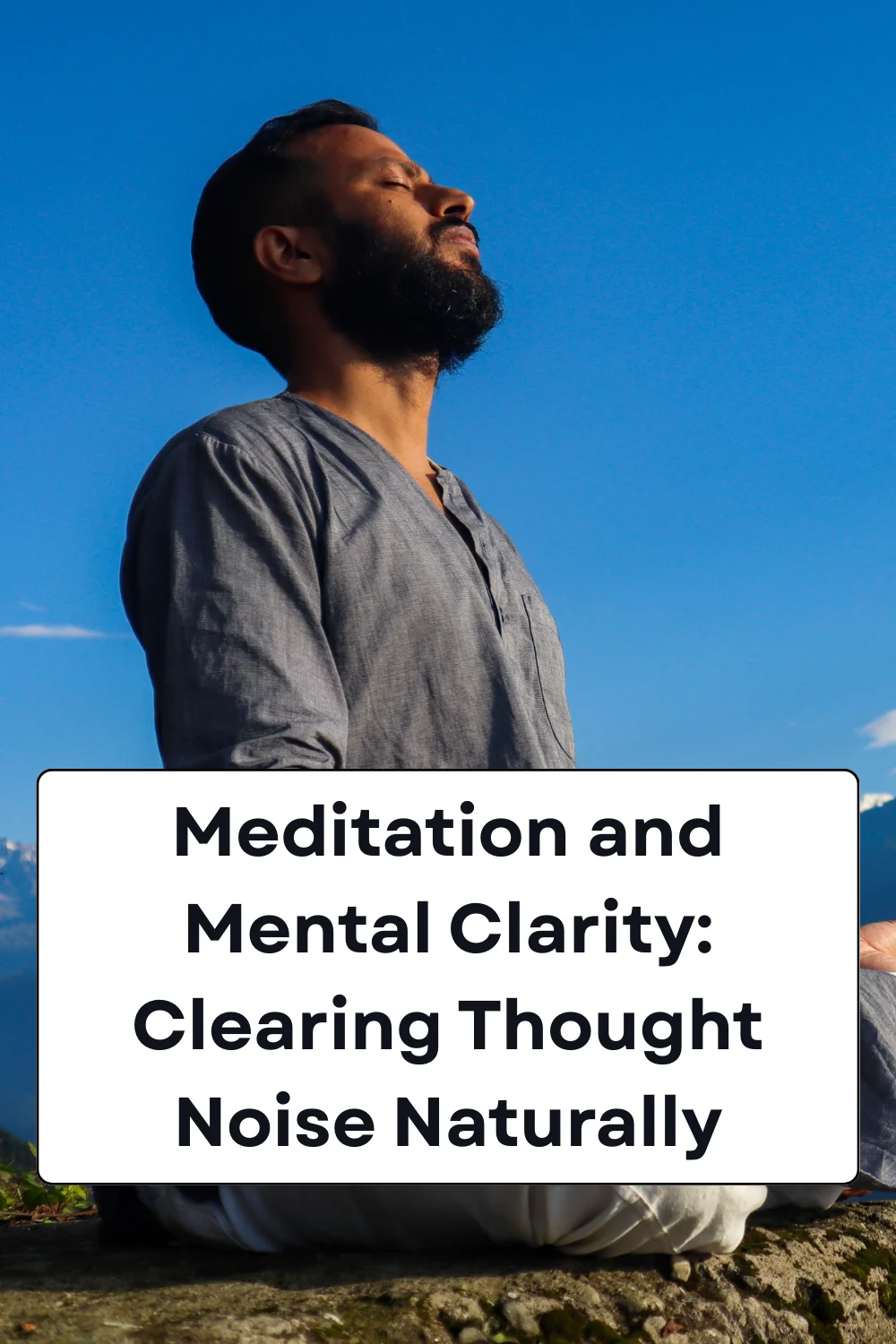
Meditation and mental clarity go hand in hand when you want to clear thought noise from your busy mind. Our brains are constantly bombarded with endless thoughts, worries and distractions that create mental fog. This makes it hard to focus on what really matters in our daily life.
The modern world keeps us connected 24/7 through smartphones, social media and work emails. This digital overload creates layers of mental clutter that prevents us from thinking clearly. Many people describe their minds as noisy places where thoughts jump from one topic to another without pause. This constant chatter leads to stress, poor decision making and emotional exhaustion.
Meditation offers a powerful solution to calm this inner chaos. When you practice meditation regularly, you train your mind to observe thoughts without getting caught up in them. Think of it like watching clouds pass by in the sky. You notice them but you don’t chase after them. This simple practice helps reduce overthinking and brings back the mental sharpness you need to handle daily challenges with ease.
Key Takeaways
- Regular meditation practice reduces mental clutter and improves focus within weeks
- Simple breathing techniques can calm thought noise in just 5-10 minutes
- Morning meditation sessions create lasting mental clarity throughout the day
- Mindfulness observation helps you detach from overthinking patterns naturally
- Combining meditation with breathwork amplifies stress reduction benefits
- Consistency matters more than duration for building mental resilience
- Modern apps make guided meditation accessible for busy lifestyles

Understanding How Meditation Clears Mental Noise
Your brain processes thousands of thoughts every single day. Most of these thoughts are repetitive and unnecessary. They create background noise that drains your mental energy. Meditation works by giving your mind a single point of focus. This could be your breath, a mantra or even a candle flame.
When you focus on one thing, the scattered thoughts start to settle down naturally. Your mind becomes like a snow globe that stops shaking. The particles slowly drift to the bottom and the water becomes clear. This mental clarity allows you to see situations more objectively. You make better decisions because your judgment is not clouded by anxiety or stress.
Scientific research shows that meditation changes brain structure over time. Regular practitioners develop stronger connections in areas related to attention and emotional regulation. The prefrontal cortex, which handles decision making and focus, becomes more active. Meanwhile, the amygdala, which triggers stress responses, becomes less reactive. These physical changes explain why meditators report feeling calmer and more centered in their daily lives.
Effective Meditation Techniques for Mental Clarity
Different meditation styles suit different personalities and needs. Vipassana meditation encourages you to observe thoughts as they arise without judgment. You simply notice when your mind wanders and gently bring attention back to your breath. This practice reveals how thoughts are temporary and not as solid as they seem.
Body scan meditation involves mentally scanning your body from head to toe. You notice any tension or discomfort without trying to change it. This technique connects your mind with physical sensations and pulls you out of thought loops. Many people find this especially helpful when anxiety creates racing thoughts.
Breathwork practices like alternate nostril breathing balance both sides of your brain. You close one nostril and breathe in, then switch sides to exhale. This simple pattern calms your nervous system remarkably fast. Even three minutes of focused breathing can shift you from stressed to centered.
Walking meditation combines movement with mindfulness. You pay attention to each step, feeling your feet touch the ground. This works well for people who find sitting still too challenging. The physical movement gives restless energy a healthy outlet while still training mental focus.
Guided meditations use voice instructions to lead you through the practice. Apps like Headspace and Calm offer thousands of sessions designed for specific goals. These are perfect for beginners who need structure and support. You can find meditations specifically aimed at reducing overthinking or improving concentration.
Creating Your Daily Meditation Practice
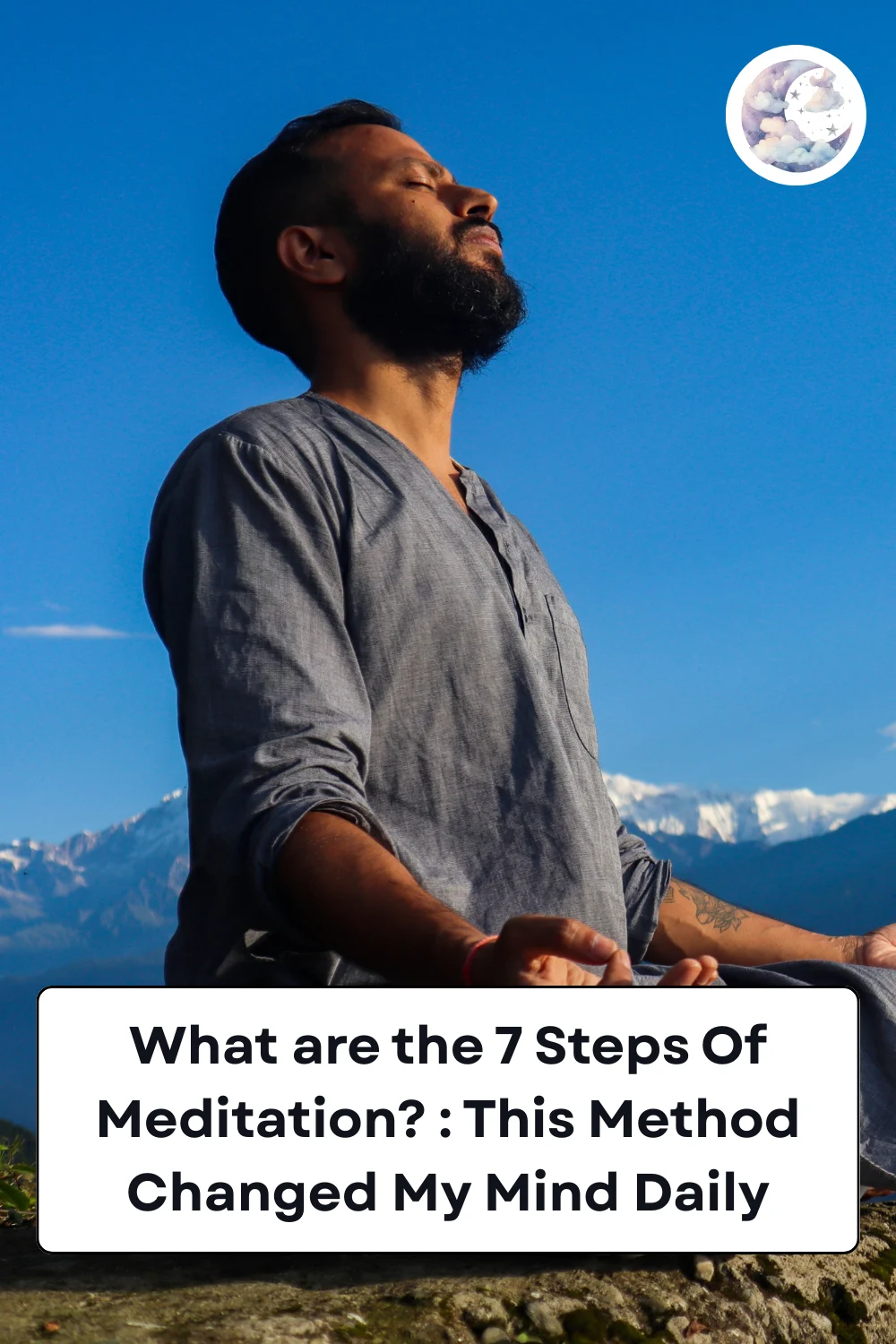
Start small with just five minutes each day. Choose a quiet spot where you will not be disturbed. Sit comfortably with your back straight but not rigid. You can sit on a chair, cushion or even lie down if needed. The position matters less than your ability to stay alert and relaxed.
Morning hours between 4 and 6 am are traditionally considered best for meditation. The world is quiet and your mind is fresh from sleep. However, any consistent time works fine. Some people prefer meditating before bed to clear the day’s mental clutter. Others take short meditation breaks during lunch to reset their focus.
Use your breath as an anchor point. Notice the sensation of air moving in and out of your nostrils. When thoughts appear, acknowledge them briefly and return to the breath. Do not fight against thoughts or judge yourself for getting distracted. Mind wandering is completely normal and happens to everyone.
Track your progress but stay flexible with expectations. Some days your mind will feel calm and focused. Other days it will jump around constantly. Both experiences are valuable parts of the practice. The key is showing up consistently rather than having perfect sessions every time.
Consider combining meditation with other healthy habits. Many practitioners pair it with morning stretches, journaling or herbal tea. These rituals signal to your brain that it is time to shift into a calmer state. Over time, your body will start relaxing automatically when you begin these routines.
Common Obstacles and How to Overcome Them
Many beginners struggle with restless thoughts during meditation. They expect immediate silence but instead face a flood of mental chatter. This is actually a good sign because you are becoming aware of how busy your mind really is. The goal is not to stop thoughts but to change your relationship with them.
Physical discomfort can also interrupt practice. Your back might hurt or legs fall asleep from sitting. Experiment with different positions until you find what works. Use cushions, chairs or back support as needed. Remember that meditation should not cause pain. Adjust your setup to stay comfortable throughout the session.
Time constraints make people feel they cannot meditate regularly. However, even two minutes of focused breathing counts as practice. Quality matters more than quantity when building this habit. Three minutes of genuine attention beats thirty minutes of distracted sitting. Start with whatever time you can manage and expand gradually.
Doubt about doing it right stops many people from continuing. There is no single correct way to meditate. Different traditions teach different methods. What matters is finding an approach that resonates with you personally. If one technique feels forced, try another until something clicks naturally.
Advanced Practices for Deeper Mental Clarity
Once basic meditation feels comfortable, explore visualization techniques. Picture a peaceful scene like a beach or forest in vivid detail. Engage all your senses by imagining sounds, smells and textures. This activates different parts of your brain and deepens the meditative state.
Loving kindness meditation expands awareness beyond yourself. You mentally send good wishes to yourself, loved ones, neutral people and even difficult individuals. This practice reduces mental noise created by anger, resentment or judgment. It replaces negative thought patterns with compassion and understanding.
Open monitoring meditation involves observing all mental activity without focusing on anything specific. You notice thoughts, emotions, sounds and sensations as they come and go. This advanced technique builds tremendous mental flexibility. You learn to remain calm and clear regardless of what appears in consciousness.
Conclusion
Meditation and mental clarity are inseparable companions on the journey to inner peace. By dedicating just a few minutes daily to these practices, you can transform a noisy mind into a calm and focused one. The techniques are simple, accessible and proven by both ancient wisdom and modern science.
Start today with one deep breath and watch how your mental landscape begins to change. Remember that every master was once a beginner who kept showing up despite the challenges.
Tags: meditation for mental clarity, clearing thought noise, mindfulness practice, reduce overthinking, breathwork techniques, daily meditation routine, mental wellness