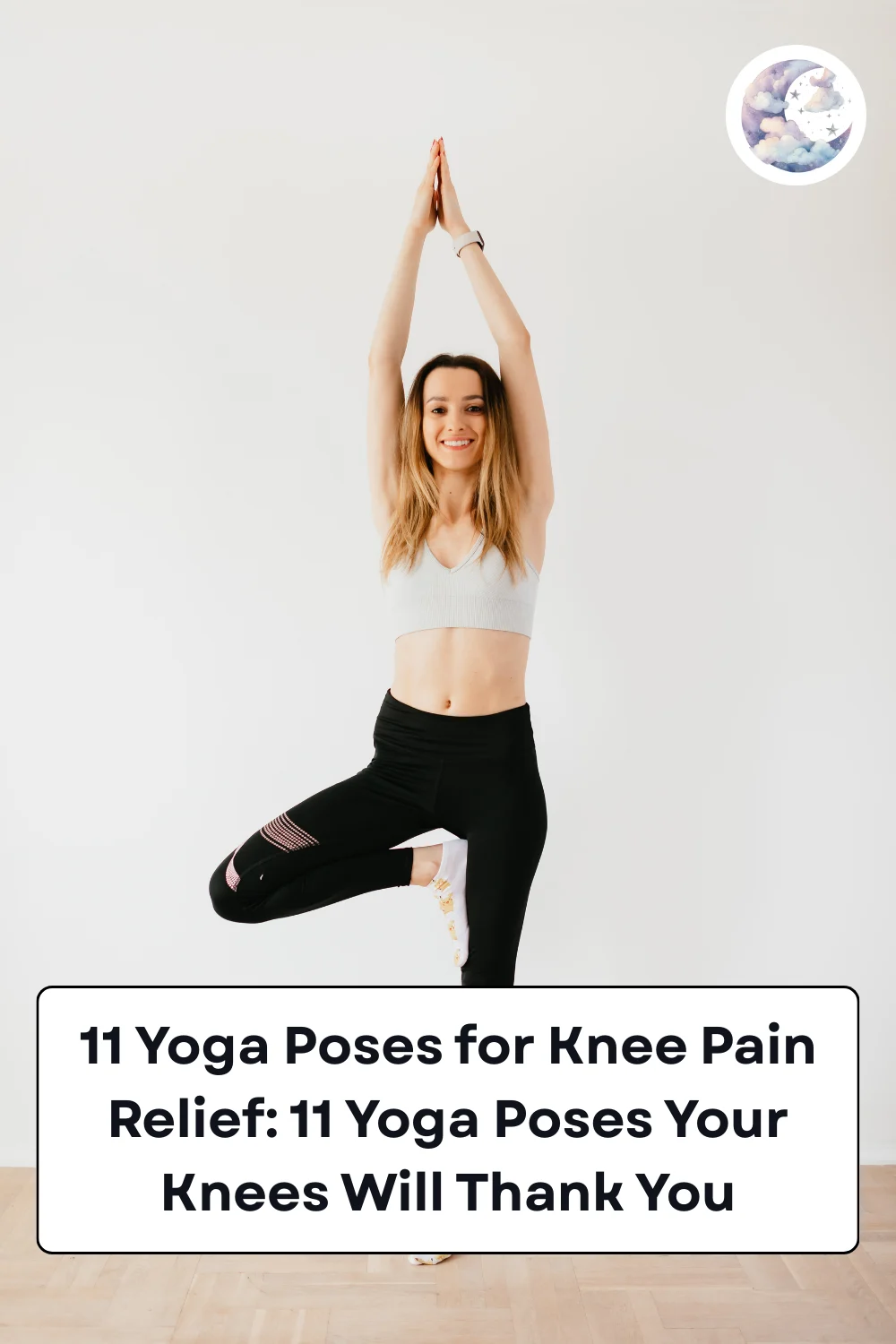
Knee pain is no longer limited to older adults. It is now common among people with desk jobs, runners, gym beginners, and those recovering from injuries. Daily habits like long sitting hours, lack of movement, excess body weight, or improper posture slowly put pressure on the knee joint and surrounding muscles.
Yoga has gained attention as a gentle and effective option for knee pain relief. Public discussions from mid 2025 to early 2026 show strong support for yoga as a low impact practice that helps reduce pain, improve movement, and strengthen muscles without stressing the joints.
Table of Contents
Key Takeaways
- Yoga helps reduce knee pain by strengthening muscles around the joint
- Gentle poses improve mobility without high impact strain
- Modified yoga is suitable for beginners and older adults
- Regular practice supports long term joint health
- Props and alignment play a key role in safety
Can Yoga Really Help With Knee Pain?
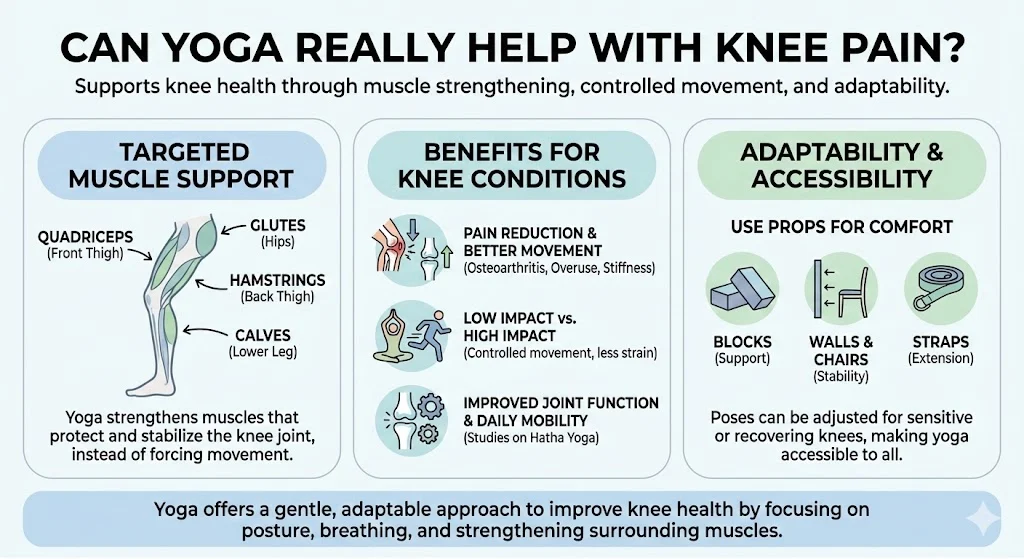
Recent public feedback and research based discussions show that yoga supports knee health in multiple ways. Instead of forcing the joint to move, yoga works on the muscles that protect the knee. These include the quadriceps, hamstrings, glutes, hips, and calves.
Many people dealing with osteoarthritis, overuse injuries, or age related stiffness report less pain and better movement after consistent yoga practice. Studies on Hatha yoga also suggest improvements in joint function and daily mobility. Compared to high impact workouts, yoga allows controlled movement with focus on posture and breathing.
Yoga is also appreciated because it adapts easily. With blocks, walls, chairs, or straps, poses can be adjusted to match comfort levels. This makes yoga accessible even for people with sensitive or recovering knees.
Common Reasons Behind Knee Pain
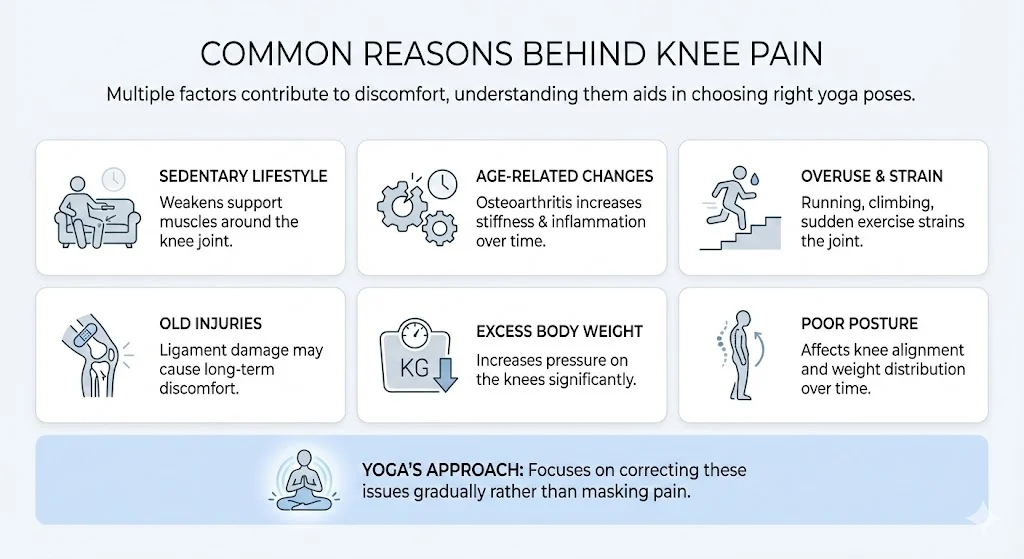
Knee pain often develops due to multiple factors working together. Understanding these causes helps in choosing the right yoga poses.
- Sedentary lifestyle weakens the muscles that support the knee joint.
- Age related changes like osteoarthritis increase stiffness and inflammation.
- Overuse from running, climbing stairs, or sudden exercise strains the joint.
- Old injuries or ligament damage may cause long term discomfort.
- Excess body weight increases pressure on the knees.
- Poor posture affects knee alignment over time.
Yoga focuses on correcting these issues gradually rather than masking pain.
How Yoga Supports Knee Pain Relief?
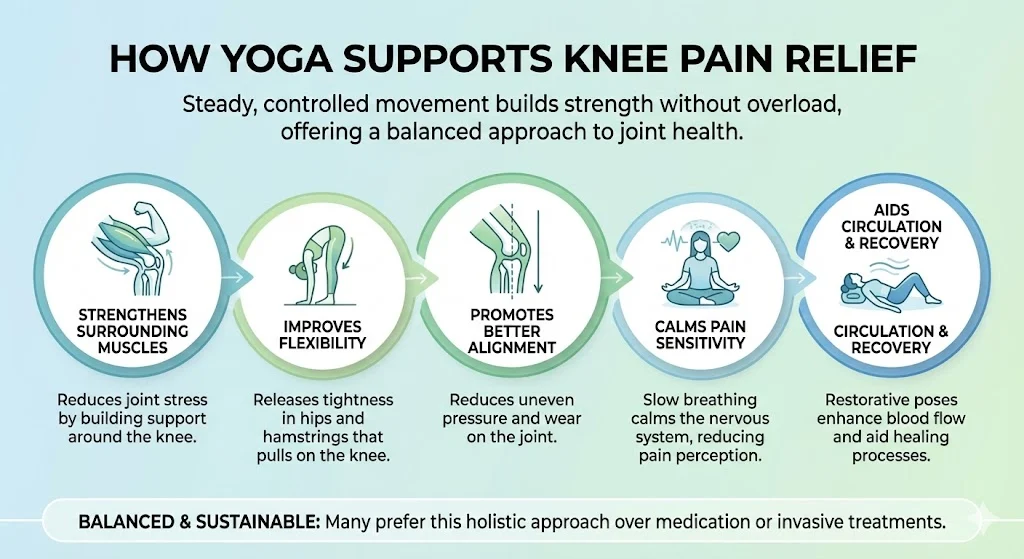
Yoga supports knee health through steady and controlled movement. It builds strength without overload, which is often missing in traditional workouts.
- Strengthening muscles around the knee reduces joint stress.
- Improving flexibility helps release tight hips and hamstrings.
- Better alignment reduces uneven pressure on the joint.
- Slow breathing calms the nervous system and reduces pain sensitivity.
- Restorative poses support circulation and recovery.
This balanced approach is why many people prefer yoga over medication or invasive treatments.
11 Yoga Poses for Knee Pain Relief
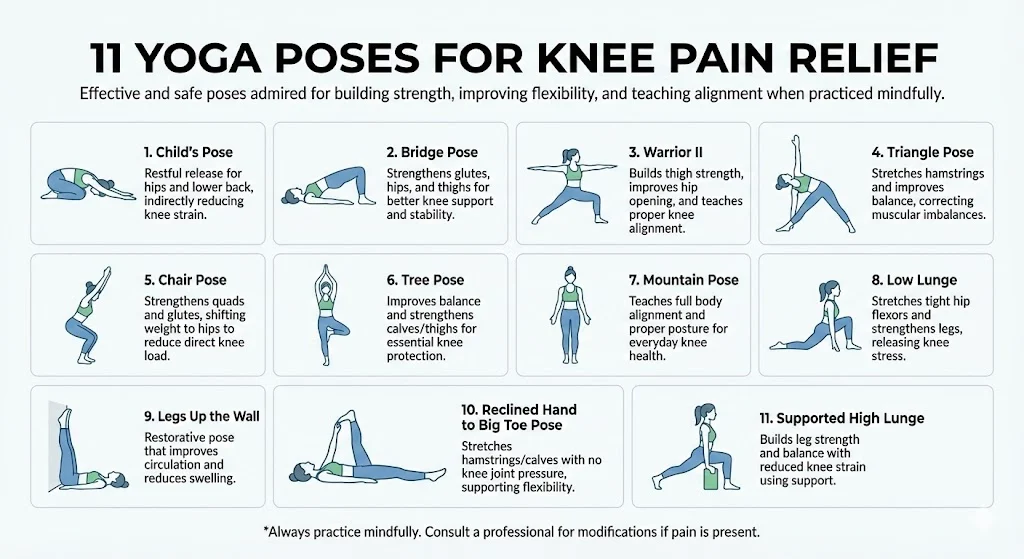
Below are eleven yoga poses commonly admired in recent discussions for being effective and safe when practiced mindfully.
1. Child’s Pose
Child’s Pose allows the body to rest while gently releasing tension from the hips and lower back. This indirectly reduces strain on the knees. It is often used as a recovery posture during practice.
2. Bridge Pose
Bridge Pose strengthens the glutes, hips, and thighs. These muscles play a major role in knee support. Many people report better stability and reduced joint pressure with regular practice.
3. Warrior II
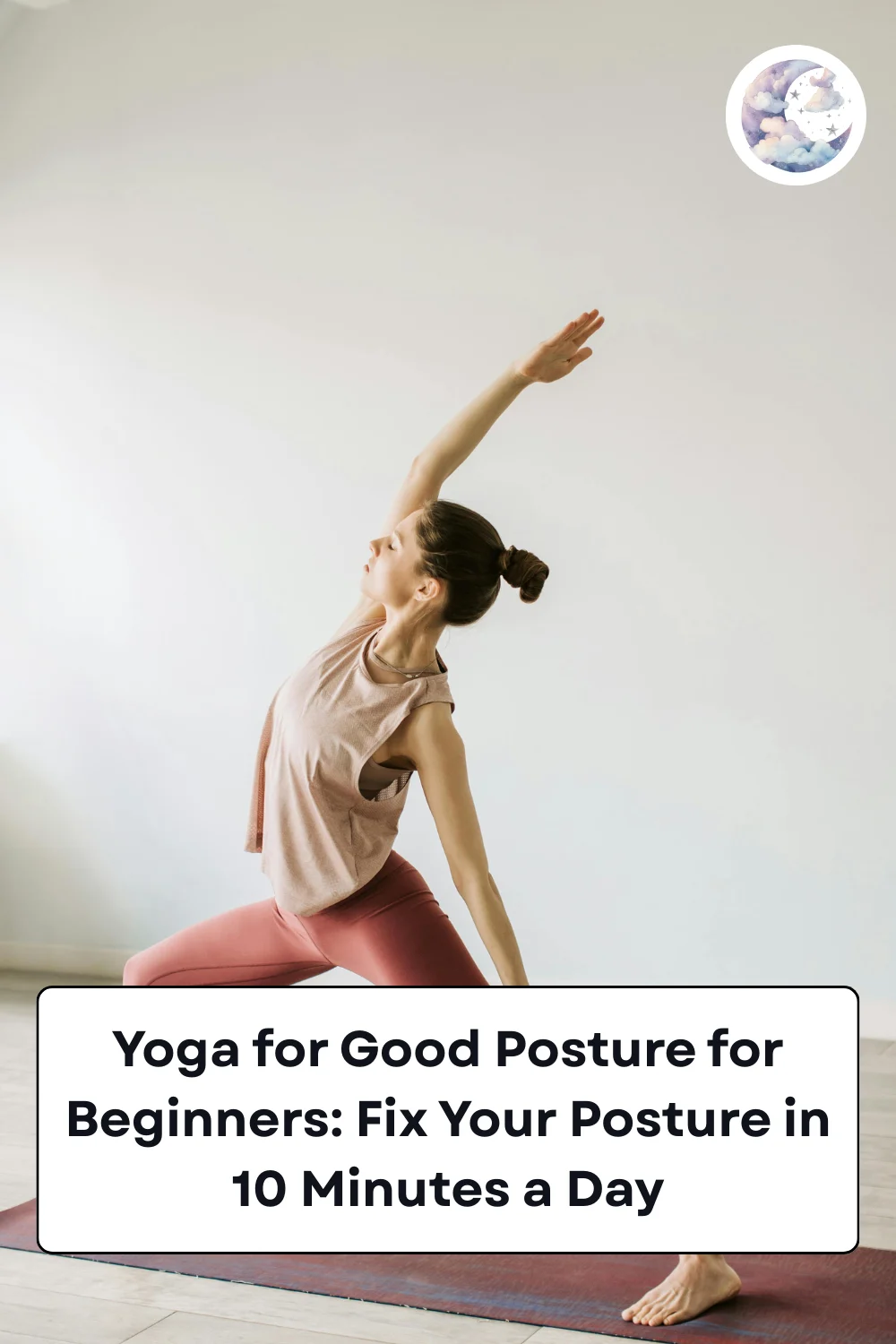
Warrior II builds strength in the thighs and improves hip opening. It also teaches proper knee alignment which helps during daily movements like walking and climbing stairs.
4. Triangle Pose
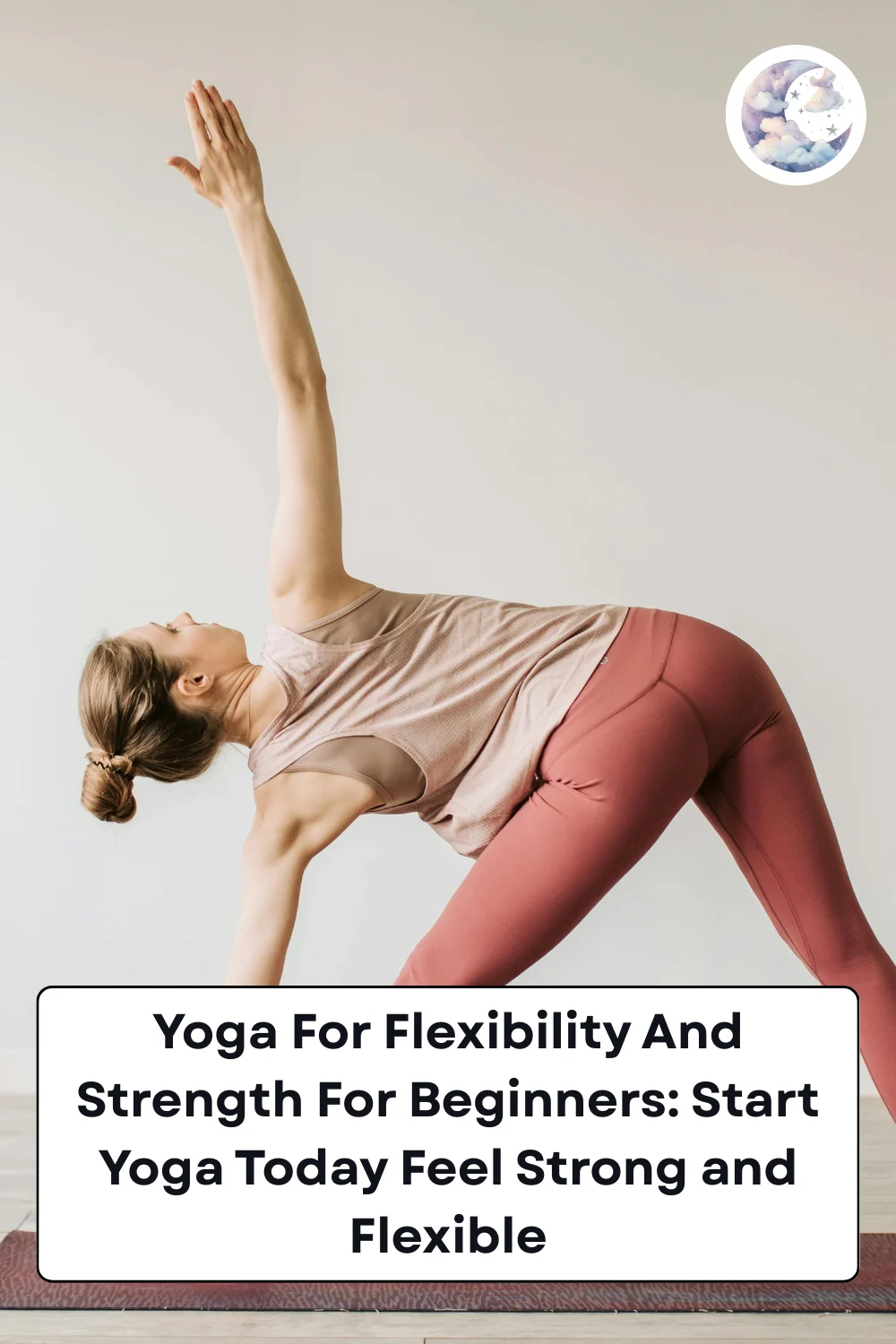
Triangle Pose stretches the hamstrings and improves balance. By correcting muscular imbalances, it reduces uneven stress on the knee joint.
5. Chair Pose
Chair Pose strengthens the quads and glutes while shifting body weight toward the hips. This reduces direct load on the knees when performed with proper form.
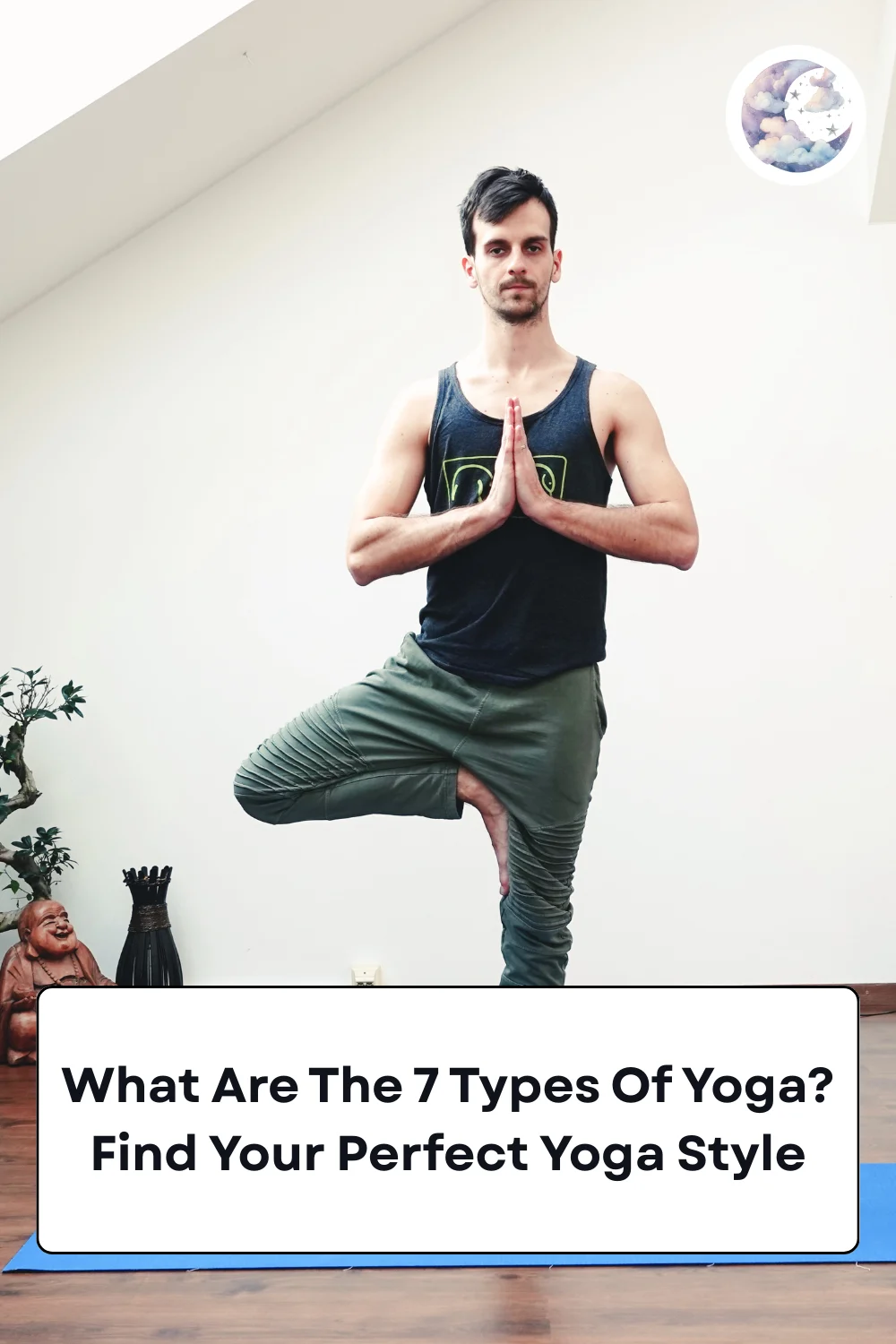
6. Tree Pose
Tree Pose improves balance and strengthens the calves and thighs. It trains stability which is essential for protecting the knees. Modifications are advised if pain is present.
7. Mountain Pose
Mountain Pose looks simple but teaches full body alignment. Proper posture learned here supports knee health in everyday standing and walking.
8. Low Lunge
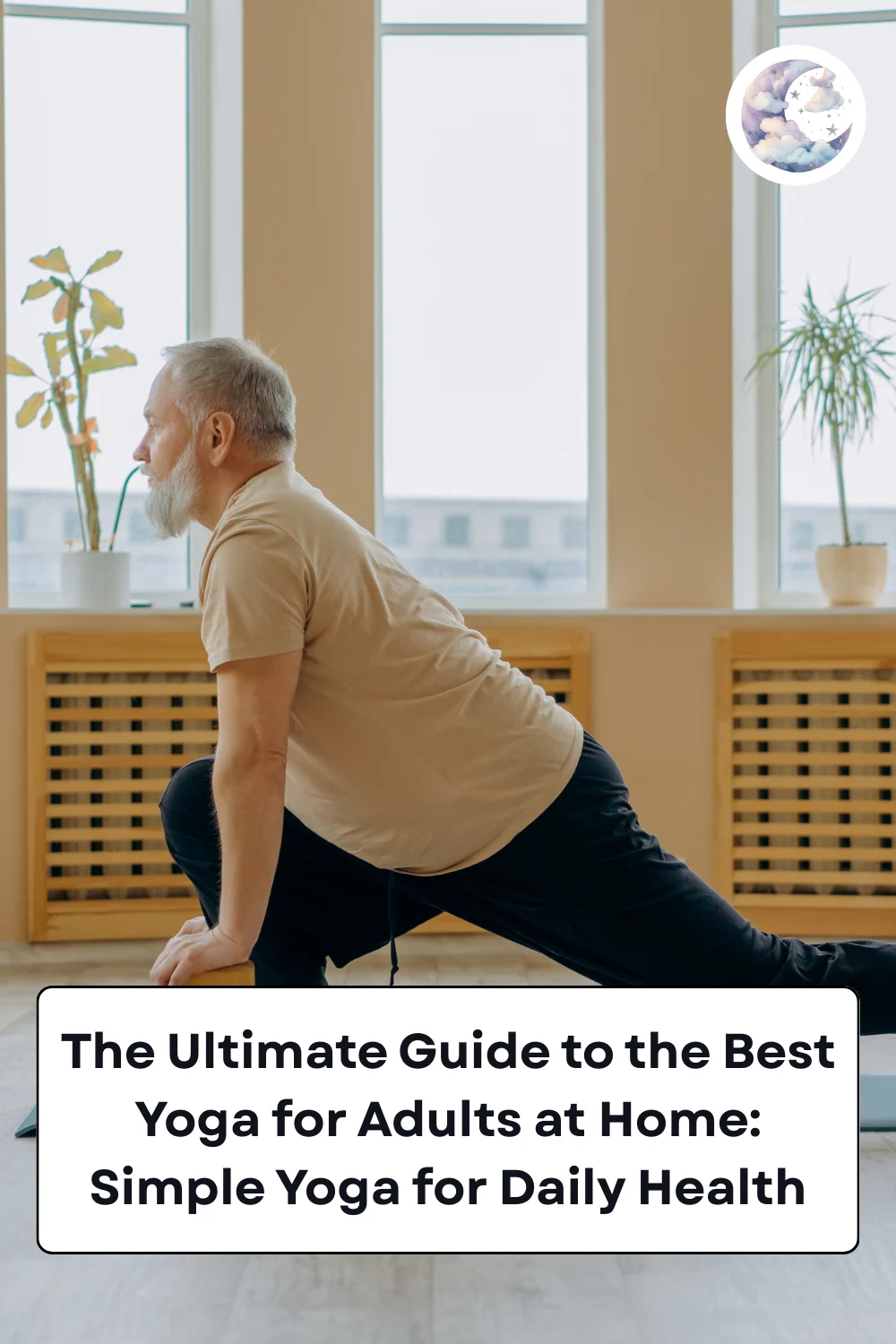
Low Lunge stretches tight hip flexors and strengthens the legs. It helps release tension that often transfers stress to the knees.
9. Legs Up the Wall
This restorative pose improves circulation and reduces swelling. It is especially appreciated by people with arthritis or tired knees after long days.
10. Reclined Hand to Big Toe Pose
This pose stretches the hamstrings and calves while keeping pressure off the knee joint. It supports flexibility without forcing movement.
11. Supported High Lunge
A supported version of High Lunge builds leg strength and balance. Using blocks or a wall helps reduce knee strain and improve control.
Safety Guidelines for Practicing Yoga With Knee Pain
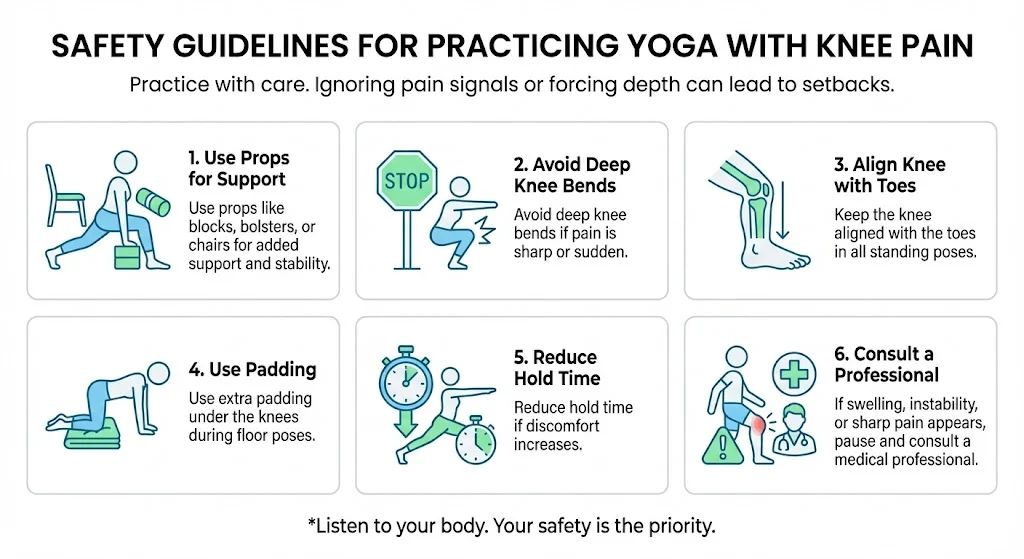
Yoga is safe for knee pain when practiced with care. Ignoring pain signals or forcing depth can lead to setbacks.
- Use props like blocks, bolsters, or chairs for support.
- Avoid deep knee bends if pain is sharp or sudden.
- Keep the knee aligned with the toes in standing poses.
- Use padding under the knees during floor poses.
- Reduce hold time if discomfort increases.
If swelling, instability, or sharp pain appears, it is best to pause and consult a medical professional.
Gentle Daily Routine for Knee Care
Many people benefit from short daily sessions rather than long intense practices. A slow routine helps maintain mobility without fatigue.
- Mountain Pose for posture awareness
- Bridge Pose for muscle activation
- Chair Pose with shallow depth
- Child’s Pose for relaxation
- Legs Up the Wall for recovery
Consistency matters more than intensity for long term knee relief.
Why People Trust Yoga for Knee Health
Public opinions from recent years show growing trust in yoga as a preventive and recovery focused practice. Many people highlight improved movement, reduced reliance on pain medication, and better overall quality of life.
Yoga also supports digestion, sleep, stress control, and posture. These indirect benefits contribute to joint health and pain management over time.
Final Thoughts
Knee pain does not have to limit daily life. With mindful practice and proper guidance, yoga offers a balanced way to strengthen the body and protect the joints. The key lies in gentle movement, correct alignment, and listening to the body.
When practiced regularly and safely, these eleven yoga poses can support knee pain relief, improve mobility, and help maintain long term joint health.
Tags: knee pain relief, yoga for knee pain, joint health yoga, knee strengthening exercises, gentle yoga, arthritis knee care